The 1920s were far more than just jazz, flappers, and economic prosperity.
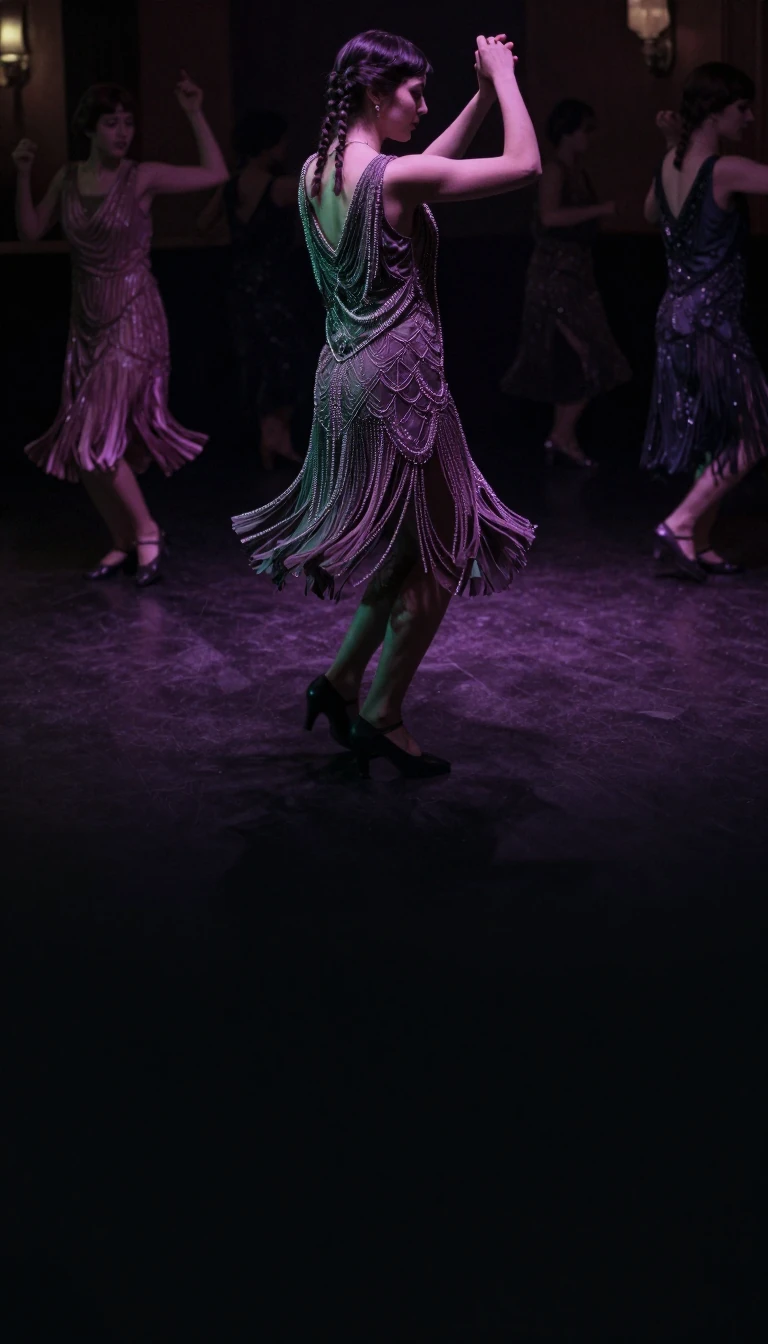
In short: While the Roaring Twenties conjure images of urban excess and Art Deco, the decade was defined by a jarring duality. Beneath the surface of rapid technological adoption and newfound cultural freedom lay a world fractured by civil wars, catastrophic famines, and the rise of radical, often violent, political movements.
The 1920s are frequently remembered for the economic boom that followed World War I, earning labels like the 'Roaring Twenties' in America or 'Années folles' in France. This era of prosperity fueled a 'frenzy of the visible,' characterized by the mass adoption of automobiles, radio, and cinema. In major cities, social norms shifted rapidly as women, often called flappers, embraced new styles and gained political agency through suffrage movements in nations like the United States and Britain.
However, this cultural dynamism masked profound instability. The decade saw the emergence of far-right movements, most notably Benito Mussolini’s rise to power in Italy in 1922. Simultaneously, the Soviet Union transitioned from the New Economic Policy to the first five-year plan. Global conflict remained pervasive, with civil wars erupting in China, Ireland, and Afghanistan, while nationalist forces in Turkey fundamentally reshaped the region following the Treaty of Lausanne in 1923.
The human cost of the era was staggering. Natural disasters, such as the 1923 Great Kantō earthquake, claimed over 100,000 lives, while man-made and systemic failures led to massive famines in Russia and China, resulting in millions of deaths. Even as the world population grew from 1.87 to 2.05 billion, the decade was bookended by the lingering effects of the Spanish flu and the onset of the Great Depression following the 1929 Wall Street crash.
The period also saw significant institutional shifts, from the formation of the Bureau of Investigation to the implementation of Prohibition in the United States, which inadvertently empowered organized crime figures like Al Capone. Whether viewed through the lens of the 'Lost Generation' of writers or the rise and fall of the Ku Klux Klan, the 1920s remain a complex, often contradictory decade that set the stage for the geopolitical tensions of the mid-20th century.
Opens the Intellect+ feed with this card first. Swipe up for the next one.
Sources
- Summary by Intellect · source: 1920s
To cite this card, link to https://intellectplus.co.uk/app/history-1920s.
How we source, check and correct cards: Editorial standards.
General information, not professional advice. Spotted an error? Flag the card or see corrections and complaints.
Intellect Plus is a visual educational discovery platform for exploring fascinating facts and ideas. Brain Food, Not Brain Rot. What is Intellect Plus?
Related
More in Modern (1800-1945) · More in History · Latest · A–Z · All topics
