Why the 19th century invented the vocabulary we use to describe our modern world
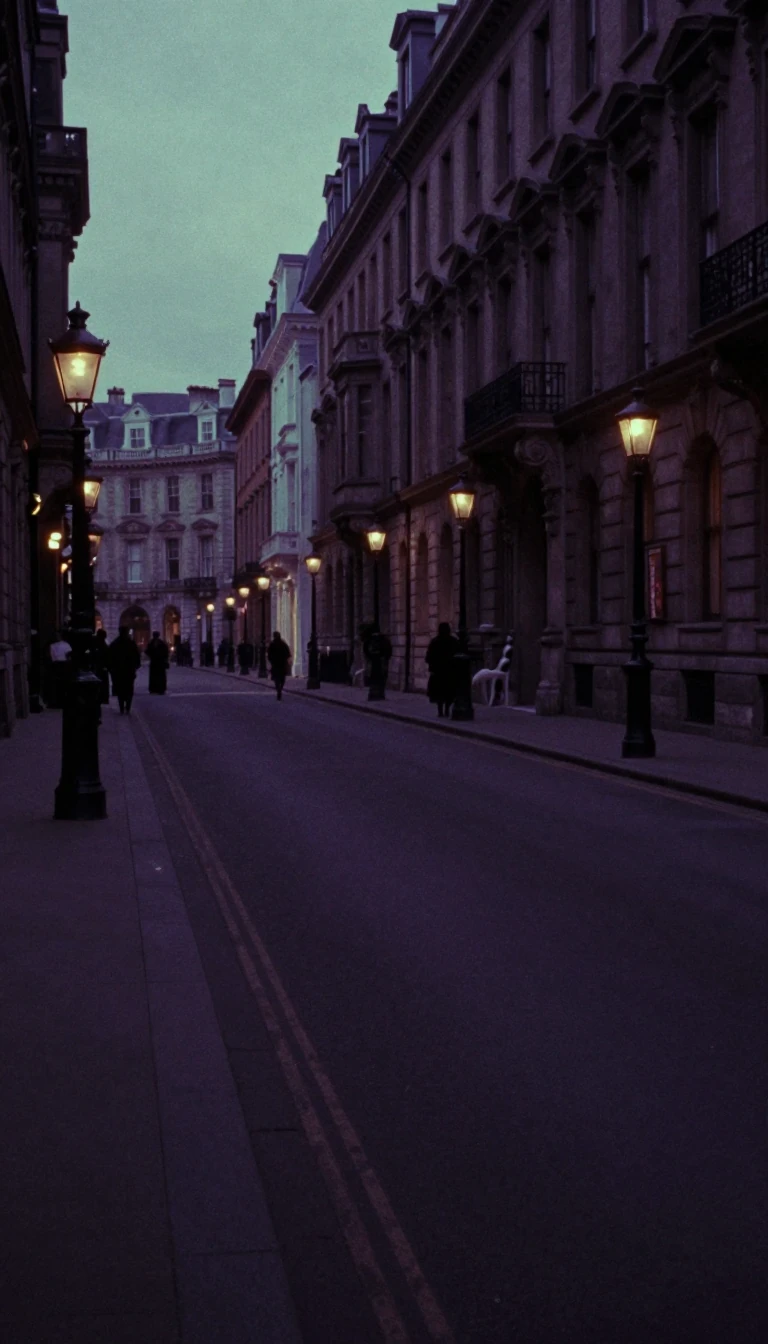
In short: The 19th century was not just a period of time; it was a seismic shift in human consciousness. Driven by the French and Industrial Revolutions, the era shattered traditional structures of authority and kinship, forcing thinkers to coin an entirely new language to make sense of a rapidly transforming social landscape.
The 19th century was defined by a profound crisis of order. For centuries, European society had relied on stable pillars like monarchy, religion, and local community. The dual impact of the French Revolution and the Industrial Revolution dismantled these foundations, releasing wealth, status, and authority from their traditional, consolidated roles. This upheaval was so intense that many contemporary observers viewed it as a cataclysmic break from the past rather than a slow, evolutionary process.
To navigate this new reality, intellectuals and writers scrambled to define the world around them. This period saw the creation or redefinition of essential terms that remain central to our discourse today, including capitalism, bureaucracy, ideology, and the middle class. Words like proletariat, humanitarian, and scientist also emerged, reflecting a society grappling with the consequences of industrialization and democratic shifts. These linguistic innovations were not merely academic; they were vital tools for reconsolidating meaning in a world that felt fundamentally altered.
The transformation was not limited to theory. By the late 1800s, the physical and social environment had been reshaped by technological and imperial expansion. Artworks from the era, such as Auguste Renoir’s 1878 portrait of Madame Georges Charpentier, capture the aesthetic and social sensibilities of a refined, yet changing, elite. Meanwhile, anonymous works like the 1860 lithograph 'A Letter to Me and You' highlight the era's preoccupation with mortality and reflection. Together, these cultural artifacts and the new social sciences illustrate an age that was simultaneously building the future and mourning the loss of the old order.
Opens the Intellect+ feed with this card first. Swipe up for the next one.
Sources
- Summary by Intellect · source: Social science - 19th Century, Research, Disciplines | Britannica
- Also: 19th century
- Also: Madame Georges Charpentier (Marguerite-Louise Lemonnier, 1848–1904) and Her Children, Georgette-Berthe (1872–1945) and Paul-Emile-Charles (1875–1895)
- Also: A Letter to Me and You (Memento Mori)
To cite this card, link to https://intellectplus.co.uk/app/history-19th-century.
How we source, check and correct cards: Editorial standards.
General information, not professional advice. Spotted an error? Flag the card or see corrections and complaints.
Intellect Plus is a visual educational discovery platform for exploring fascinating facts and ideas. Brain Food, Not Brain Rot. What is Intellect Plus?
Related
More in Modern (1800-1945) · More in History · Latest · A–Z · All topics
