How a bloodless political maneuver in 1948 permanently shifted the Cold War landscape
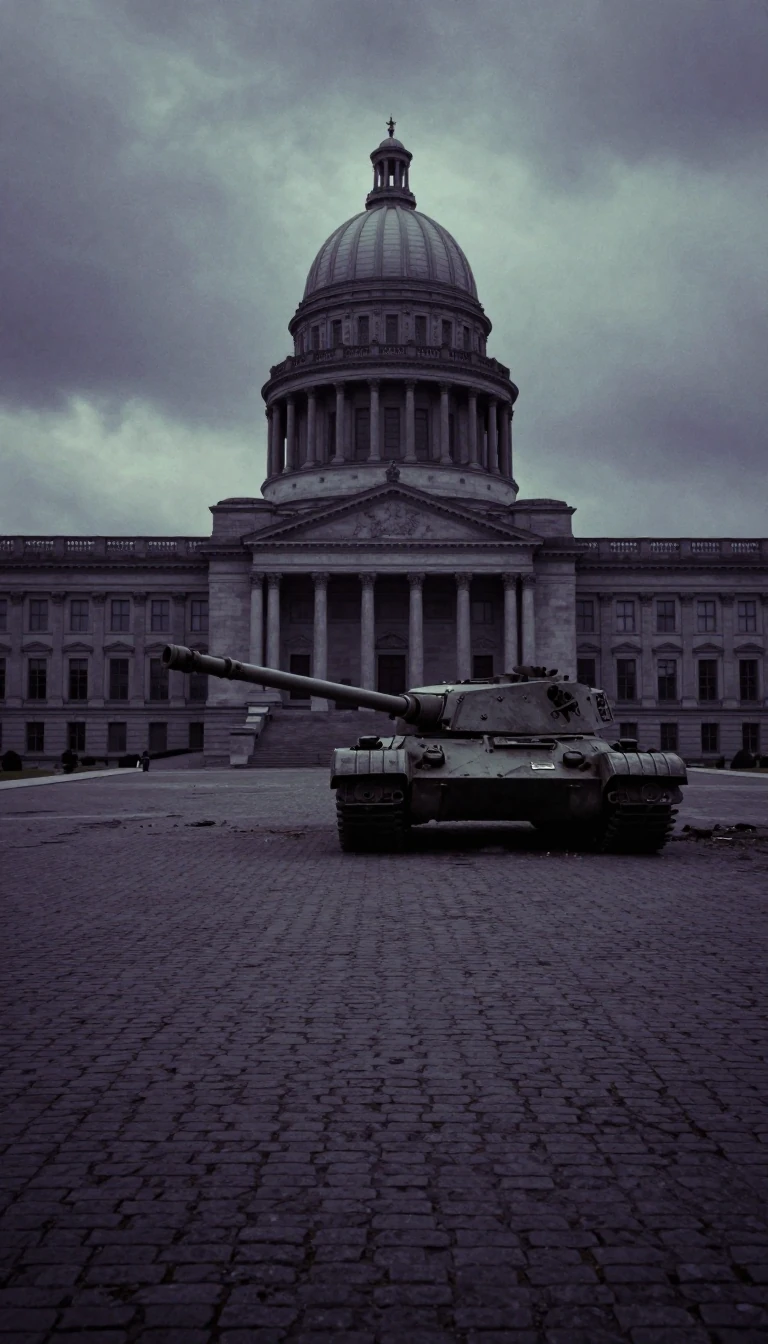
In short: In February 1948, Czechoslovakia fell under communist control without a single shot fired. While Western powers watched in alarm, the event signaled the end of democratic hopes in the region and accelerated the formation of NATO, cementing the Iron Curtain for the next four decades of European history.
Following the end of World War II, Czechoslovakia occupied a complex political space. President Edvard Benes returned from exile in 1945 to lead a government that initially balanced democratic traditions with a growing communist influence. By 1946, national elections granted leftist and communist parties significant power, leading to a coalition administration. However, tensions mounted as the United States grew wary of Soviet influence, particularly after the Czechoslovak government opposed plans for the rearmament of Germany. In response, the U.S. terminated a major loan to the nation, a move that conservative and moderate Czechoslovak parties argued only pushed the country further toward communist control.
By 1948, the political situation had reached a breaking point. Facing a crumbling economy and the prospect of electoral defeat, the Communist Party, backed by the Soviet Union, moved to seize total control. In February, after non-communist ministers resigned in protest of police manipulation, the communists orchestrated mass demonstrations and threatened a general strike. Fearing civil war and potential Soviet intervention, President Benes capitulated on February 25, 1948, allowing the formation of a communist-dominated government. This transition was virtually bloodless, yet it effectively ended the nation's democratic experiment.
The international reaction was swift but largely symbolic. Both the United States and Great Britain denounced the seizure of power, but neither nation took direct action, perhaps overestimating the resilience of Czechoslovak democratic traditions or fearing a wider conflict. The coup served as a definitive marker in the Cold War, alarming Western nations and spurring the rapid adoption of the Marshall Plan and the eventual establishment of NATO. The Communist Party maintained its grip on the country until the Velvet Revolution of 1989, after which Czechoslovakia eventually split into the Czech Republic and Slovakia in 1993.
Opens the Intellect+ feed with this card first. Swipe up for the next one.
Sources
- Summary by Intellect · source: Communists take power in Czechoslovakia | February 25, 1948 | HISTORY
- Also: 1948 Czechoslovak coup d'état
To cite this card, link to https://intellectplus.co.uk/app/history-1948-czechoslovak-coup-d-tat.
How we source, check and correct cards: Editorial standards.
General information, not professional advice. Spotted an error? Flag the card or see corrections and complaints.
Intellect Plus is a visual educational discovery platform for exploring fascinating facts and ideas. Brain Food, Not Brain Rot. What is Intellect Plus?
Related
More in Contemporary (1945-) · More in History · Latest · A–Z · All topics
