How a Soviet satellite state maintained a command economy while suppressing its own citizens
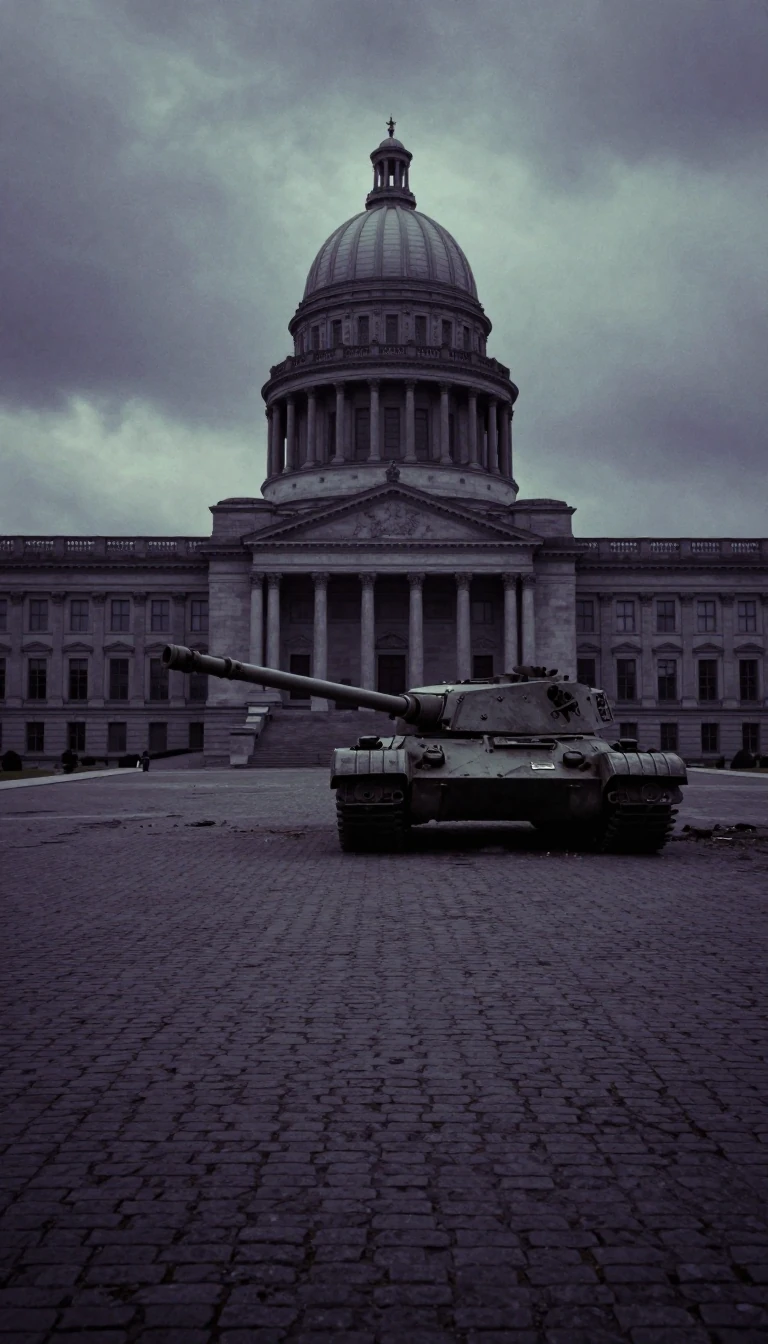
In short: From 1948 to 1989, Czechoslovakia operated as a communist-led state under heavy Soviet influence. Behind the Iron Curtain, the government enforced a rigid command economy, maintained absolute political control through a vast nomenklatura system, and systematically repressed religious and dissident voices until the Velvet Revolution finally dismantled the regime.
Following the 1948 coup d'état, the Communist Party of Czechoslovakia (KSČ) established a monopoly on power that would define the country for over four decades. While the state retained traditional legislative structures, the reality was a centralized command economy and a political landscape dominated by the National Front. The KSČ exerted control through a nomenklatura system, which tracked approximately 100,000 key administrative, military, and social posts, ensuring that only party-approved individuals held positions of influence.
The regime's grip was maintained through severe repression. During the 1950s, the party purged 550,000 members—roughly 30% of its total—and conducted show trials that led to the execution of prominent figures like Rudolf Slánský. Religious institutions were systematically dismantled, with thousands of clergy imprisoned, while dissidents like Václav Havel faced professional bans, harassment, and incarceration. Despite these harsh measures, the country experienced high economic growth in the 1950s before stagnation set in, characterized by a shortage economy that prioritized heavy industry over consumer goods.
The state's internal structure shifted in 1969 when it became a federation of the Czech and Slovak Socialist Republics, though this federalization was largely symbolic due to continued centralized control. The 1968 invasion by the Soviet Union and Warsaw Pact forces crushed the Prague Spring reforms, cementing the authoritarian wing's power. It was not until the late 1989 Velvet Revolution that the Communist Party's monopoly was deleted from the constitution, leading to the country's transition back to a liberal democracy and its eventual peaceful dissolution in 1993.
Opens the Intellect+ feed with this card first. Swipe up for the next one.
Sources
- Summary by Intellect · source: Czechoslovak Socialist Republic
To cite this card, link to https://intellectplus.co.uk/app/history-czechoslovak-socialist-republic.
How we source, check and correct cards: Editorial standards.
General information, not professional advice. Spotted an error? Flag the card or see corrections and complaints.
Intellect Plus is a visual educational discovery platform for exploring fascinating facts and ideas. Brain Food, Not Brain Rot. What is Intellect Plus?
Related
More in Modern · More in History · Latest · A–Z · All topics
