How Did a Post-War State Fall to a Coup in 1948?
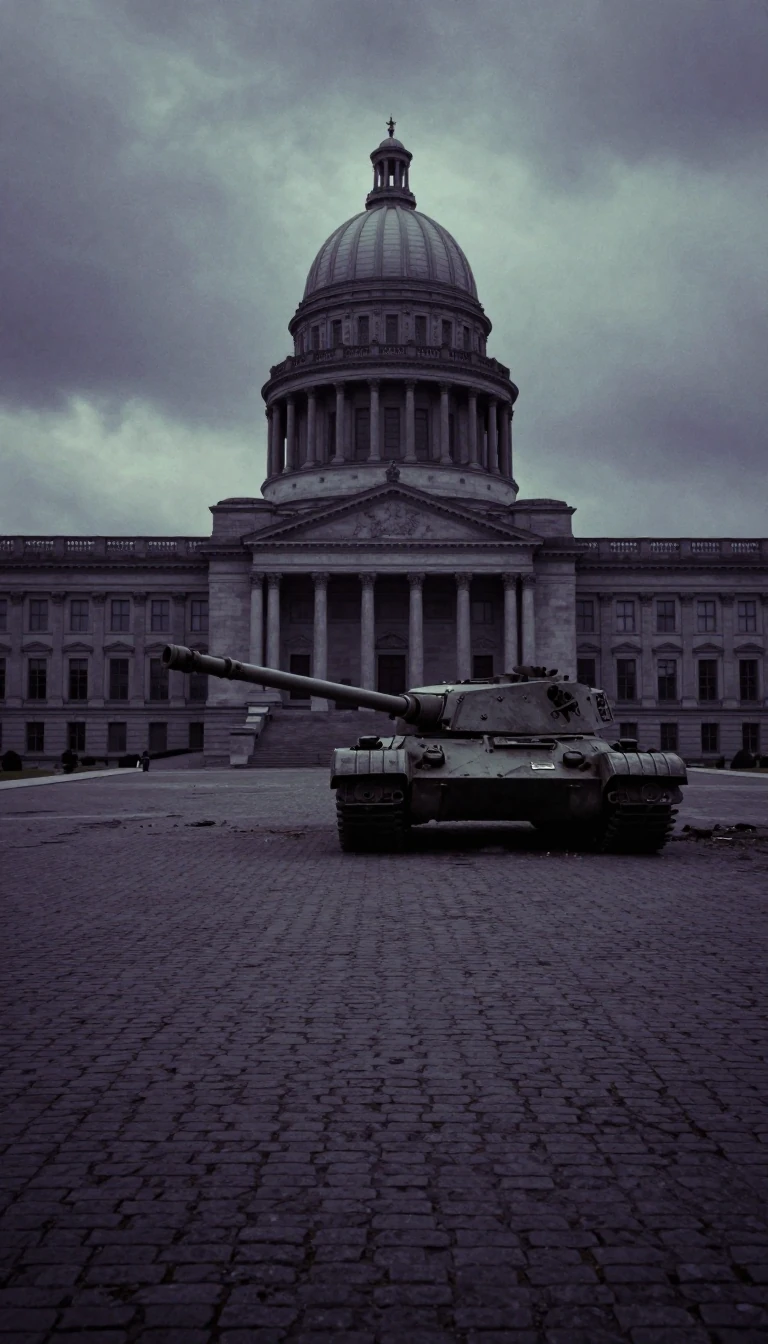
In short: The Third Czechoslovak Republic was established amid the wreckage of war, yet its trajectory was dictated by foreign spheres of influence. Despite initial democratic promise, internal power struggles and external pressures culminated in a swift seizure of authority. Discover the delicate negotiations that preceded the dramatic shift in power.
The Third Czechoslovak Republic was officially established in April 1945, following the end of Nazi occupation. Initially, the government, formed by the National Front, was led by President Edvard Beneš, with Zdeněk Fierlinger as prime minister and Klement Gottwald as deputy premier. The initial political landscape was dominated by three socialist parties: the KSČ, the Czechoslovak Social Democratic Party, and the Czechoslovak National Social Party. While some non-socialist groups, like the Catholic People's Party, were included, the political climate was already shaped by the Soviet sphere of influence, which dictated much of the post-war reconstruction strategy, forcing negotiations between Beneš and exiled Communist Party members in Moscow. Furthermore, the government was pressured to annex Carpathian Ruthenia to the Ukrainian SSR of the Soviet Union via a treaty signed on June 29, 1945.
The Communist Party of Czechoslovakia (KSČ) rapidly built its influence. Between May 1945 and May 1946, its membership surged from 27,000 to over 1.1 million, bolstered by popular enthusiasm following the Soviet armies' liberation. In the May 1946 election, the KSČ achieved a plurality of 38 percent of the vote nationwide, even though the anti-Communist Democratic Party won in Slovakia (62%). Crucially, the Communists managed to gain control over vital ministries, including information, internal trade, finance, and the interior (which controlled the police apparatus), allowing them to build a foundation for future control.
The turning point was marked by geopolitical tension. When the Czechoslovak government accepted an invitation to discuss the Marshall Plan with Britain and France in July 1947, Joseph Stalin intervened, negating Beneš's vision of a
bridge
Opens the Intellect+ feed with this card first. Swipe up for the next one.
Sources
- Summary by Intellect · source: Third Czechoslovak Republic
To cite this card, link to https://intellectplus.co.uk/app/history-third-czechoslovak-republic.
How we source, check and correct cards: Editorial standards.
General information, not professional advice. Spotted an error? Flag the card or see corrections and complaints.
Intellect Plus is a visual educational discovery platform for exploring fascinating facts and ideas. Brain Food, Not Brain Rot. What is Intellect Plus?
Related
More in Ages & eras · More in History · Latest · A–Z · All topics
