How cells use a molecular key to recycle their own parts
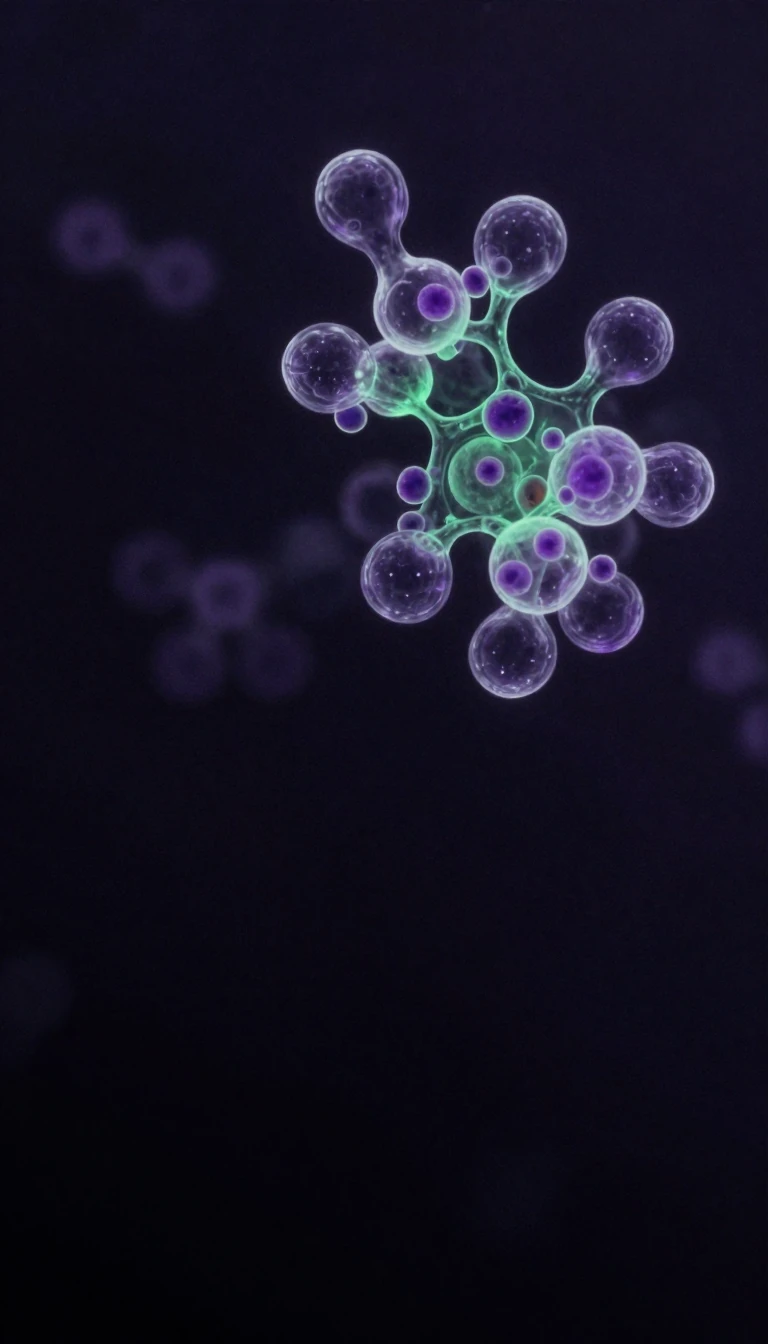
In short: Every cell is a factory in constant need of cleanup. To prevent chaos, your body uses a sophisticated tagging system to identify and destroy old proteins. Discover the Nobel-winning discovery of the ubiquitin system, the biological mechanism that ensures cellular order and prevents disease.
In the early 1980s, biologists were investigating how cells manage their protein supply. While protein production is vital, the ability to break down and recycle these molecules is equally essential for survival. Aaron Ciechanover, working alongside Avram Hershko and Irwin Rose, uncovered the elegant mechanism behind this cellular housekeeping: ubiquitin-mediated protein degradation.
The process relies on a specific protein called ubiquitin. When a particular protein in the cell is destined for destruction, a ubiquitin molecule attaches itself to it, acting much like a molecular key. This tag signals the cell's machinery that the protein is ready to be processed. This tagged protein is then directed to the proteasome, a complex protein structure that acts as a cellular shredder, breaking the target protein into smaller pieces that can be reused to build new substances.
The implications of this discovery, which earned Ciechanover the Nobel Prize in Chemistry in 2004, are profound. The ubiquitin-proteasome pathway is fundamental to maintaining cellular homeostasis. Because this system regulates so many vital functions, malfunctions in the pathway are believed to play a role in the development and progression of various conditions, including cancer, neurological diseases, muscular disorders, and inflammatory or immune responses.
Ciechanover's journey from his medical studies at the Hebrew University of Jerusalem to becoming a Technion Distinguished Research Professor highlights a career of immense scientific impact. Beyond his fundamental research, his work has paved the way for new frontiers in drug targeting and regenerative medicine, as evidenced by the establishment of the Ciechanover Institute of Precision and Regenerative Medicine in 2018.
Opens the Intellect+ feed with this card first. Swipe up for the next one.
Sources
- Summary by Intellect · source: Aaron Ciechanover
- Also: Nobel Prize in Chemistry 2004
To cite this card, link to https://intellectplus.co.uk/app/history-aaron-ciechanover.
How we source, check and correct cards: Editorial standards.
General information, not professional advice. Spotted an error? Flag the card or see corrections and complaints.
Intellect Plus is a visual educational discovery platform for exploring fascinating facts and ideas. Brain Food, Not Brain Rot. What is Intellect Plus?
Related
More in Born on this day · More in History · Latest · A–Z · All topics
