The tiny protein tag that decides whether your cells live or die
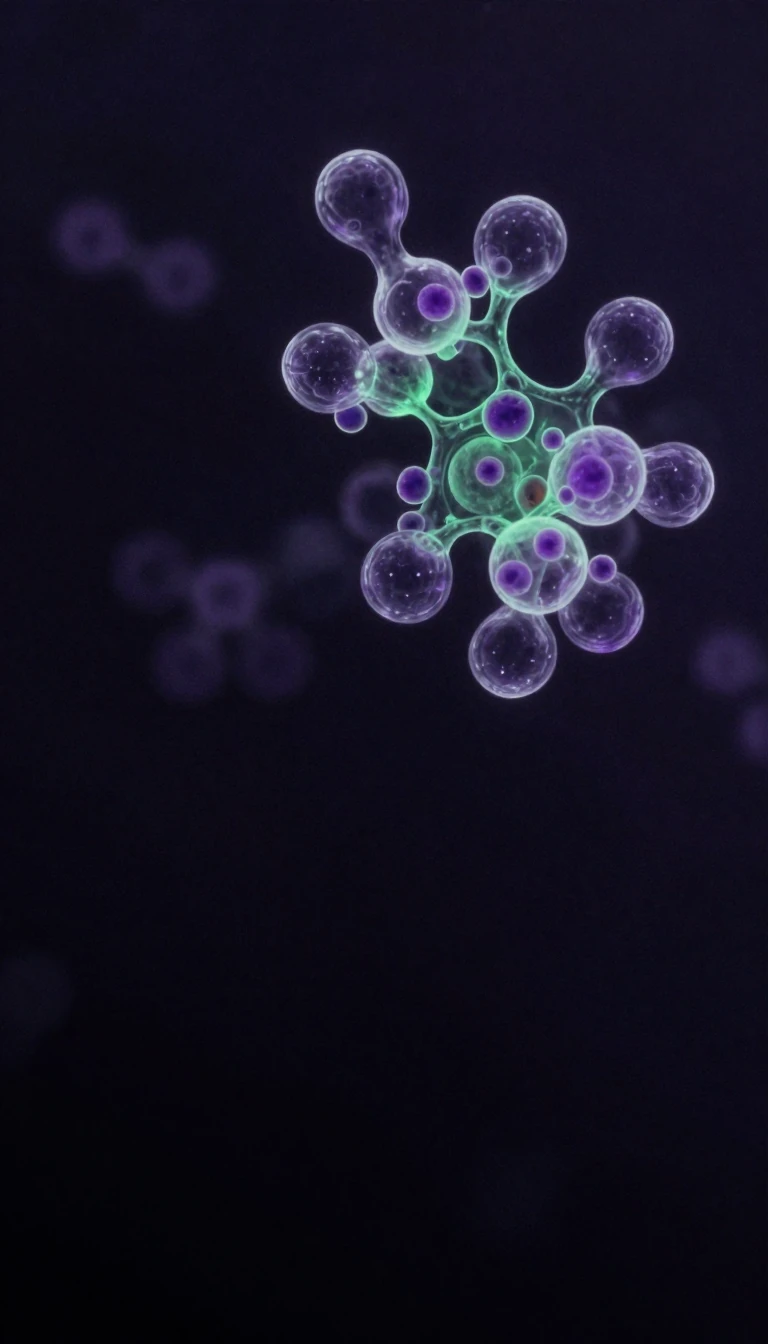
In short: Ubiquitin is a small, highly conserved protein that acts as a cellular master regulator. By attaching itself to other proteins, it dictates their fate—whether they should be transported, signaled, or destroyed. This enzymatic process is so fundamental to life that its discovery earned a Nobel Prize in 2004.
Ubiquitin is a 76-amino-acid protein found in all eukaryotic cells, from yeast to humans. Its name reflects its ubiquitous nature, as it is present in nearly all tissues. Structurally, it forms a compact globular fold, with a C-terminal tail that extends to covalently attach to target proteins. This process, known as ubiquitination, is the most prevalent posttranslational modification used by cells to maintain protein homeostasis—the delicate balance of protein quality and quantity.
The mechanism relies on a sequential cascade involving three enzymes: E1 (activating), E2 (conjugating), and E3 (ligating). These enzymes collaborate to tag substrates, often marking them for degradation by the proteasome, a system that acts as the cell's waste disposal unit. When molecular chaperones fail to repair damaged or misfolded proteins, ubiquitination provides the signal for their timely elimination. This prevents the accumulation of cellular debris that could otherwise lead to pathological states.
Beyond simple degradation, ubiquitination is incredibly versatile. By forming different chain topologies or attaching single ubiquitin molecules, the system influences protein stability, localization, and signaling. It is essential for DNA repair, cell cycle regulation, and immune responses. Because it is so central to cellular function, dysregulation of this pathway is linked to serious diseases, including cancer and neurodegenerative disorders. Understanding these mechanisms has turned ubiquitin into a major focus for developing innovative therapeutic strategies.
The discovery of this pathway in the late 20th century transformed our understanding of cellular physiology. Scientists Aaron Ciechanover, Avram Hershko, and Irwin Rose were awarded the 2004 Nobel Prize in Chemistry for elucidating how this system functions. Today, researchers continue to explore how targeting specific steps in the ubiquitination process might offer new ways to treat complex human diseases.
Opens the Intellect+ feed with this card first. Swipe up for the next one.
Sources
- Summary by Intellect · source: The role of ubiquitination in health and disease
- Also: Ubiquitin
To cite this card, link to https://intellectplus.co.uk/app/science-ubiquitin.
How we source, check and correct cards: Editorial standards.
General information, not professional advice. Spotted an error? Flag the card or see corrections and complaints.
Intellect Plus is a visual educational discovery platform for exploring fascinating facts and ideas. Brain Food, Not Brain Rot. What is Intellect Plus?
Related
More in Genetics and molecular biology · More in Science · Latest · A–Z · All topics
