How a vassal dynasty built a Mediterranean empire while balancing religious and political tension
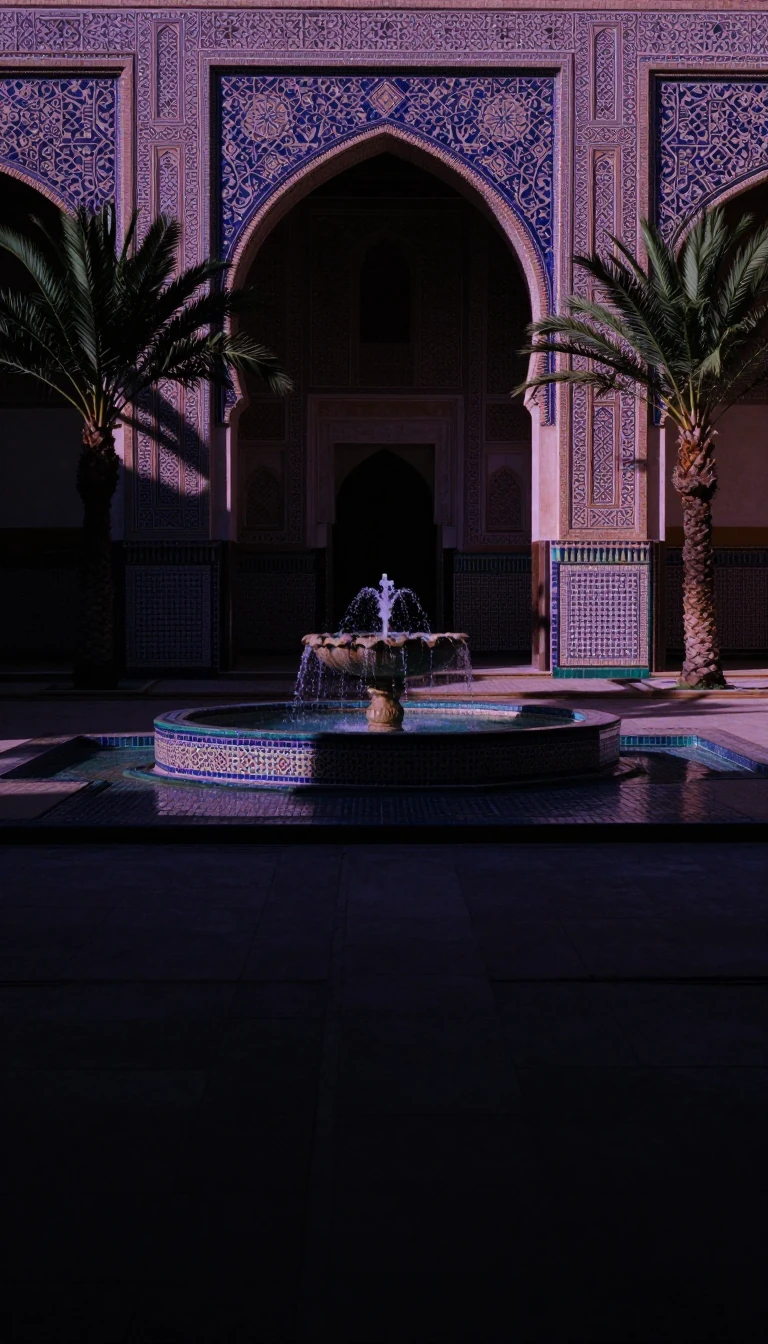
In short: The Aghlabids ruled Ifriqiya for over a century, serving as Abbasid vassals while forging a distinct legacy. They balanced internal revolts, religious friction with local scholars, and ambitious military campaigns across the Mediterranean. Their story is one of architectural innovation, strategic power-broking, and an eventual collapse to the rising Fatimids.
Founded in 800 by Ibrahim ibn al-Aghlab, the Aghlabid dynasty governed a region spanning modern Tunisia, eastern Algeria, and Tripolitania. Though they operated as independent rulers, they maintained formal ties to the Abbasid Caliphate in Baghdad, sending a yearly payment of 800,000 dirhams and acknowledging the caliph during Friday prayers. This political arrangement provided a veneer of stability, yet the emirs faced constant pressure from local Maliki jurists who viewed the Aghlabids' Mu'tazilite theology and perceived luxury with deep suspicion.
To manage these internal tensions, the Aghlabids invested heavily in civic and religious infrastructure. They constructed massive reservoirs, fortified coastal ribats, and sponsored iconic monuments like the Great Mosque of Kairouan. By incorporating Maliki scholars into the state apparatus and funding public charity, the emirs successfully navigated domestic dissent. Their military strategy was equally pragmatic; they utilized a dual-force army composed of traditional Arab tribesmen and recruited Zanj slaves to maintain control, eventually channeling the energy of restless troops into expansive naval campaigns.
The dynasty's reach extended far beyond North Africa, as they launched a protracted conquest of Sicily beginning in 827. This campaign, which lasted until 902, served as a springboard for raids and occupations across the Italian mainland, including Calabria and Apulia. Despite their military successes, the Aghlabids were eventually undone by the rise of the Isma'ili Fatimids. By 909, the Fatimid movement had dismantled the Aghlabid defensive network, culminating in the capture of their capital, Raqqada, and the flight of the final emir, Ziyadat Allah III.
The Aghlabid legacy remains visible today through their unique architectural synthesis of Abbasid and Byzantine styles. Their mosques, characterized by fortress-like exteriors and sophisticated interior details—such as the world's oldest surviving minbar—reflect a period of significant cultural and economic development. Even as their political power waned, the structures they built and the urban centers they expanded continued to shape the landscape of the Maghreb long after their fall.
Opens the Intellect+ feed with this card first. Swipe up for the next one.
Sources
- Summary by Intellect · source: Aghlabid dynasty
To cite this card, link to https://intellectplus.co.uk/app/history-aghlabid-dynasty.
How we source, check and correct cards: Editorial standards.
General information, not professional advice. Spotted an error? Flag the card or see corrections and complaints.
Intellect Plus is a visual educational discovery platform for exploring fascinating facts and ideas. Brain Food, Not Brain Rot. What is Intellect Plus?
Related
More in Post-classical · More in History · Latest · A–Z · All topics
