The Alawi Sultanate: How a Sharifian Dynasty Unified Morocco and Navigated Global Powers
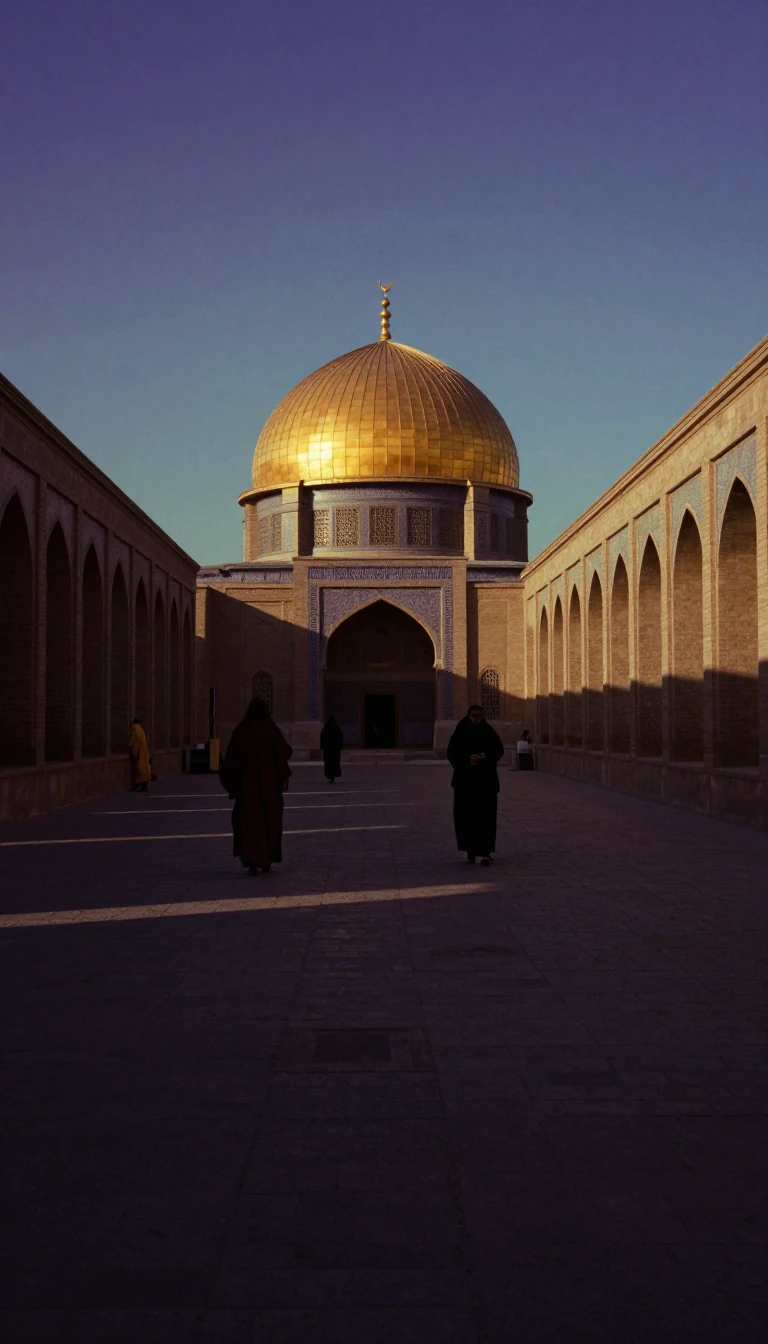
In short: Rising from the Tafilalt oasis in the 17th century, the Alawi dynasty transformed Morocco from a fractured landscape of competing factions into a centralized state. Claiming noble ancestry from the Prophet Muhammad, these sultans navigated centuries of internal rebellion, European colonial pressure, and shifting trade dynamics to define modern Morocco.
The Alawi dynasty emerged during the 1660s following the collapse of the Saadian Sultanate. By claiming status as shurafa—direct descendants of the Prophet Muhammad—the family secured the religious legitimacy necessary to unite regional factions. Sultan al-Rashid, who reigned from 1666 to 1672, successfully consolidated power by integrating rural Arab tribes into his military, ultimately capturing Fez and Marrakesh to reunify the country.
The sultanate reached its zenith under Moulay Isma'il, whose 55-year reign focused on absolute central authority. He famously established the 'Abid al-Bukhari, a standing army of Black soldiers whose loyalty was tethered solely to the throne. Isma'il projected power by reclaiming coastal cities from European control, sponsoring privateers, and forcing foreign powers to negotiate on equal terms. His rule was marked by both brutal efficiency and the construction of a vast imperial capital at Meknes.
Following Isma'il's death in 1727, the state endured decades of civil war as his numerous sons vied for the throne. Stability was eventually restored by Sidi Mohammed ibn Abdallah, who reigned from 1757 to 1790. He shifted the state's economic strategy, founding the port of Essaouira to prioritize international trade over the heavy taxation of his predecessors. He notably became the first head of state to recognize the United States in 1787.
The dynasty maintained independence until 1912, when the Treaty of Fes established French and Spanish protectorates. Despite this loss of sovereignty, the Alawi sultans remained the nominal monarchs. In 1956, Morocco regained its independence, and the following year, the reigning sultan, Mohammed V, officially transitioned his title to King, cementing the dynasty's role as the foundation of the modern Kingdom of Morocco.
Opens the Intellect+ feed with this card first. Swipe up for the next one.
Sources
- Summary by Intellect · source: Alawi Sultanate
To cite this card, link to https://intellectplus.co.uk/app/history-alawi-sultanate.
How we source, check and correct cards: Editorial standards.
General information, not professional advice. Spotted an error? Flag the card or see corrections and complaints.
Intellect Plus is a visual educational discovery platform for exploring fascinating facts and ideas. Brain Food, Not Brain Rot. What is Intellect Plus?
Related
More in Empires & civilisations · More in History · Latest · A–Z · All topics
