Did ancient Mesoamericans domesticate corn for its sugar before they ever ate the kernels?
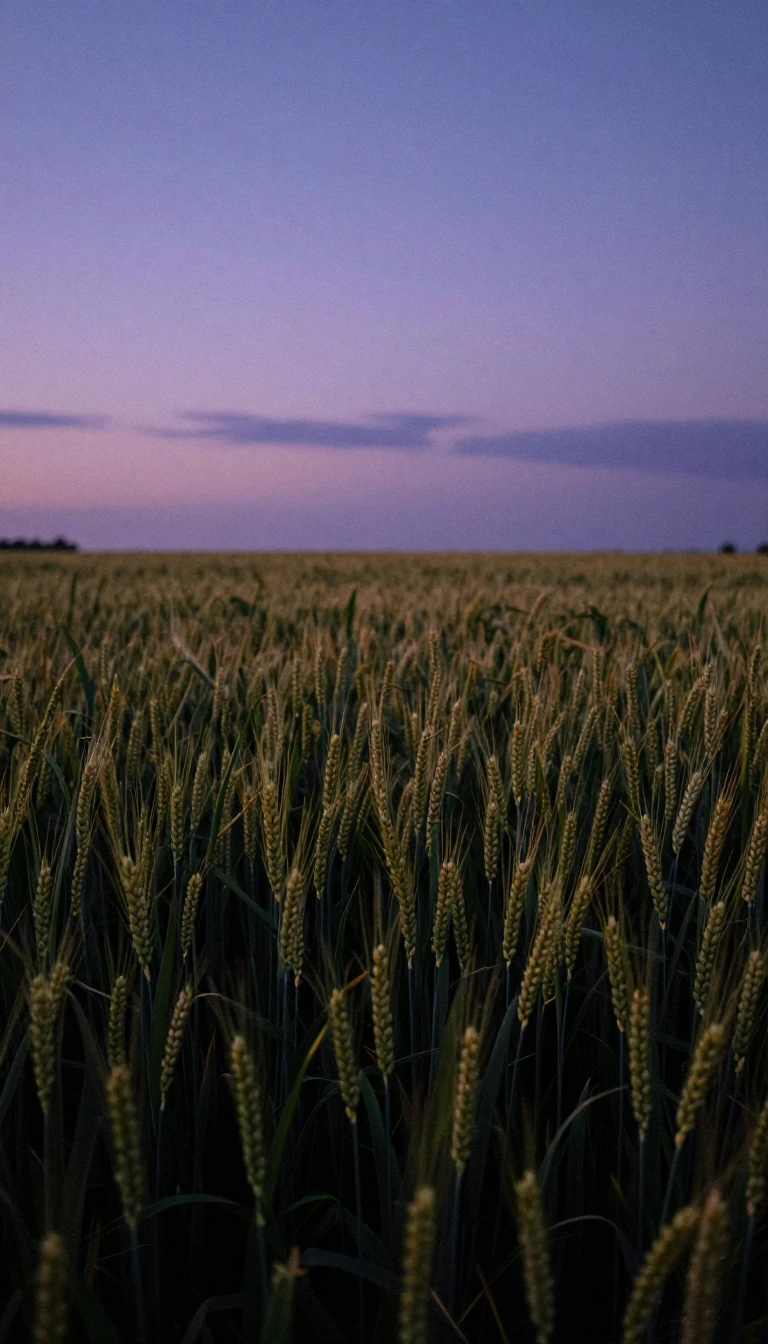
In short: While corn is the iconic staple of Mesoamerican history, its origins remain a puzzle. New genetic research suggests that early farmers may have first cultivated wild grasses not for their grain, but for the sweet juice in their stalks, potentially delaying the appearance of corn in the archaeological record.
The transition to food production in Mesoamerica is best documented at the Guilá Naquitz site in southern Mexico. Early inhabitants there relied on foraging wild resources like acorns, piñon pine nuts, and prickly pears. However, evidence of domestication appears early, with squash seeds found at the site dated to 10,000 bp. By 7000–6000 bp, pollen from domesticated corn and manioc was present at the San Andrés site in Tabasco.
The evolution of corn from its wild ancestor, teosinte, remains a subject of intense study. While some models suggest massive mutations, recent genetic analysis points to a hybrid origin involving a third grass, gamma grass. This cross-breeding likely created the robust cob structure we recognize today. Before corn became a dietary staple, it may have been valued primarily for its sweet stalks and leaves, which were chewed for flavor or used to produce alcohol. Because these early uses focused on stalks rather than kernels, the plant left a faint footprint in the early archaeological record.
As agricultural techniques matured, Mesoamerican societies developed sophisticated systems to support growing populations. By 3800 bp, during the Early Formative period, village life became common, supported by an extended family labor force. Later civilizations, including the Olmec, Maya, Toltec, and Aztec, utilized diverse methods such as rain-fed swidden fields, irrigation, and chinampas—artificial islands that allowed for intensive cultivation. These agricultural foundations enabled the rise of large urban centers and complex social structures, eventually cementing corn, beans, and squash as the foundational triad of the region.
Opens the Intellect+ feed with this card first. Swipe up for the next one.
Sources
- Summary by Intellect · source: Origins of agriculture - Mesoamerica, Domestication, Irrigation | Britannica
- Also: Agriculture in Mesoamerica
To cite this card, link to https://intellectplus.co.uk/app/history-agriculture-in-mesoamerica.
How we source, check and correct cards: Editorial standards.
General information, not professional advice. Spotted an error? Flag the card or see corrections and complaints.
Intellect Plus is a visual educational discovery platform for exploring fascinating facts and ideas. Brain Food, Not Brain Rot. What is Intellect Plus?
Related
More in History by topic · More in History · Latest · A–Z · All topics
