The Amber Road was never a single path, but a vast ancient trade network.
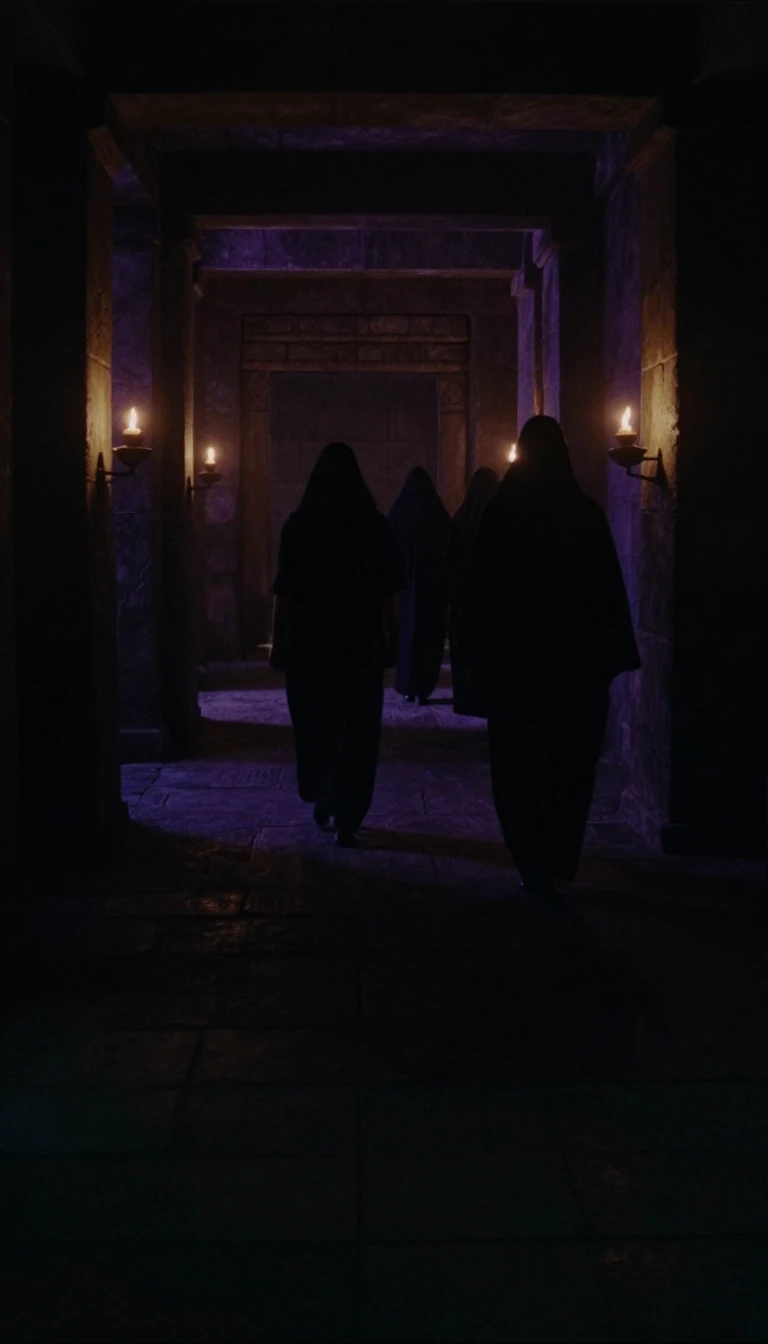
In short: Forget the image of a simple, paved highway. The Amber Road is an archaeological concept describing a complex web of trails that connected the Baltic coast to the Mediterranean for millennia. Long before the Romans, this network moved precious resin, salt, and culture across the ancient world.
The term 'Amber Road' was coined in the 1920s by Cambridge archaeologist José Maria de Navarro to categorize a series of prehistoric paths. While often visualized as a vertical line stretching from the Baltic Sea to the Adriatic, the reality was a sprawling, shifting network of trade routes that intersected with the Silk and Salt Roads. These paths facilitated the movement of Baltic amber as far south as Egypt, where it adorned the breast ornament of Tutankhamun, and as far east as Syria, where it was discovered in the Royal Tomb of Qatna.
Trade intensified significantly during the Roman Empire, particularly as Roman influence expanded north of the Alps. The city of Carnuntum, founded as a winter camp for Tiberius in 6 CE, served as a primary trading hub where the Amber Road met the Limes Road. At its peak, Carnuntum housed over 50,000 residents. In these Roman centers, the fabrication of amber art reached near-industrial proportions, with the stone being exchanged for Roman glass, gold, brass, and copper. Despite its name, amber was often the smallest share of goods transported, with traders also moving honey, fur, and wax.
The legacy of this trade remains visible today, though much of its history is shrouded in mystery. The famous Amber Room, a jewel-encrusted masterpiece commissioned in 1701, was once a gift to Peter the Great before being looted during World War II; its original panels remain lost. Today, sites like the Malbork Castle in Poland and the Amber Museum in Kaliningrad preserve the history of this trade, showcasing everything from ancient inclusions to 17th-century artwork. These sites serve as reminders that the Amber Road was not just a conduit for luxury goods, but a vital artery for the exchange of ideas and materials that shaped European and Mediterranean civilizations.
Opens the Intellect+ feed with this card first. Swipe up for the next one.
Sources
- Summary by Intellect · source: Follow the Ancient Amber Road
- Also: Amber Road
To cite this card, link to https://intellectplus.co.uk/app/history-amber-road.
How we source, check and correct cards: Editorial standards.
General information, not professional advice. Spotted an error? Flag the card or see corrections and complaints.
Intellect Plus is a visual educational discovery platform for exploring fascinating facts and ideas. Brain Food, Not Brain Rot. What is Intellect Plus?
Related
More in Ancient · More in History · Latest · A–Z · All topics
