The ancient Assyrian homeland is a fragmented territory spanning four modern-day Middle Eastern nations.
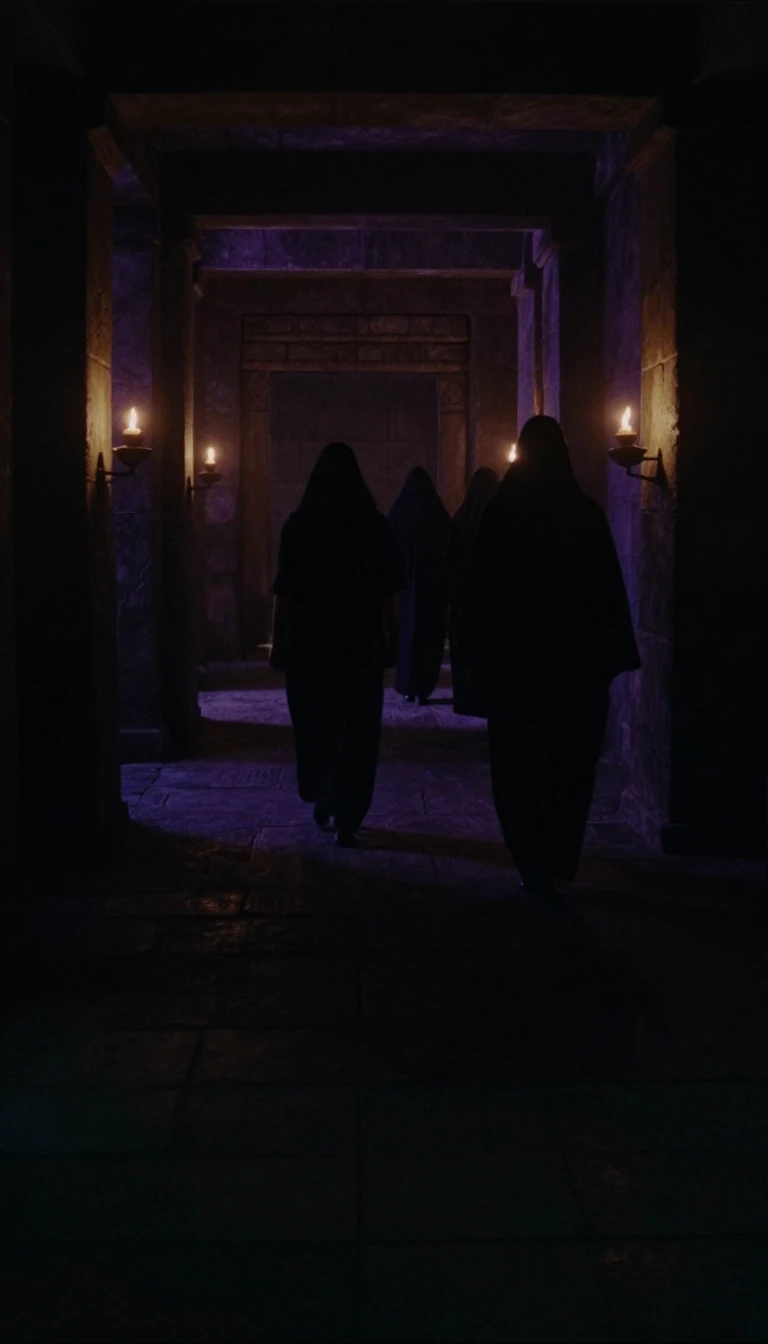
In short: Tracing its roots to the banks of the Tigris, the Assyrian homeland has endured millennia of imperial rule, religious schisms, and systematic displacement. Today, this indigenous Mesopotamian people remain scattered across Iraq, Turkey, Iran, and Syria, seeking security and autonomy within the remnants of their ancestral lands.
The Assyrian homeland is situated in Upper Mesopotamia, a region historically centered on cities like Nineveh, Assur, and Nimrud along the Tigris River. While ancient Assyrian civilization dates back to at least 2,600 BC, the region has been defined by a succession of empires—including the Babylonian, Persian, Greek, Roman, and Sassanid—following the fall of the Neo-Assyrian Empire in 605 BC. The Arab-Islamic conquest in the 7th century AD eventually dissolved Assyria as a formal political entity, though the people maintained their distinct Syriac Christian identity and Neo-Aramaic languages.
The modern history of the Assyrians has been marked by profound instability. The 14th-century massacres by Tamurlane forced the abandonment of the ancient city of Assur, reducing the population to a minority. Later, the Assyrian genocide during World War I decimated their numbers by up to 50%. Subsequent geopolitical shifts, including the British and French mandates, further fractured the community. Many were displaced during the 20th century, with significant populations fleeing to the diaspora in countries like the United States.
In the 21st century, the community has faced renewed existential threats. The 2003 Iraq War and the 2014 rise of the Islamic State (ISIL) led to the systematic destruction of ancient monuments, churches, and cemeteries. In response, Assyrian leadership has increasingly focused on the Nineveh Plains as a potential site for an autonomous province. Despite constitutional provisions in Iraq for administrative rights, efforts to secure this safe haven remain complex, hindered by ongoing regional conflicts and the lack of a unified political consensus among various Assyrian, Chaldean, and Syriac organizations.
Estimates of the current population vary significantly due to the lack of official statistics, ranging from under one million in the homeland to 3.3 million globally. While some displaced families have returned to rebuild in northern Iraq, the region remains underfunded and infrastructure-poor. The struggle for an autonomous entity continues to be a central theme for those who remain, as they navigate the legacy of their ancient past against the harsh realities of modern Middle Eastern borders.
Opens the Intellect+ feed with this card first. Swipe up for the next one.
Sources
- Summary by Intellect · source: Assyrian homeland
To cite this card, link to https://intellectplus.co.uk/app/history-assyrian-homeland.
How we source, check and correct cards: Editorial standards.
General information, not professional advice. Spotted an error? Flag the card or see corrections and complaints.
Intellect Plus is a visual educational discovery platform for exploring fascinating facts and ideas. Brain Food, Not Brain Rot. What is Intellect Plus?
Related
More in Modern · More in History · Latest · A–Z · All topics
