Assur: The ancient city that served as the spiritual heart of the Assyrian Empire
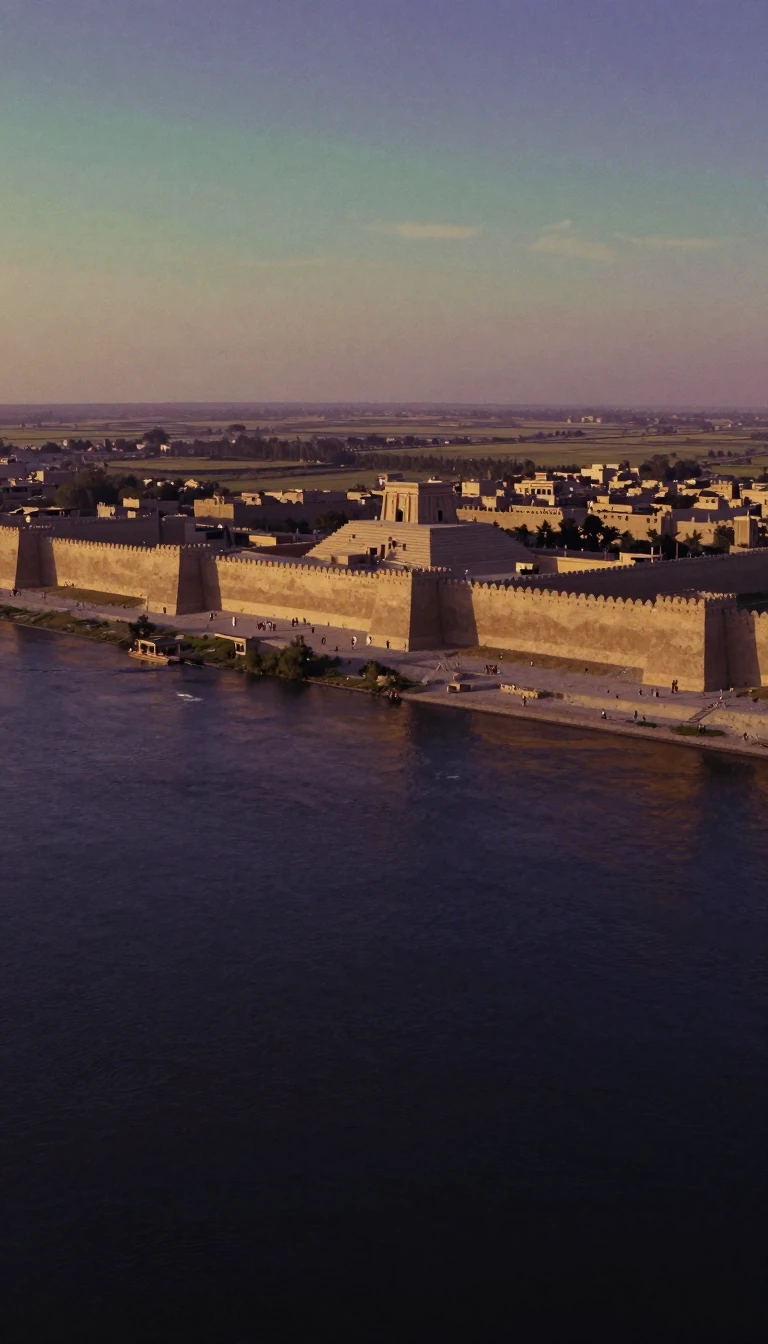
In short: Perched on a mountain spur above the Tigris, Assur was the enduring religious capital of Assyria for millennia. While royal power shifted to grander cities like Nineveh, Assur remained the sacred home of the national god, surviving empires, sackings, and modern conflict to remain a vital archaeological treasure.
Occupied for approximately 3,000 years, Assur began as a settlement in the Early Dynastic period and evolved into the capital of the Middle Assyrian Empire. Its strategic location on the western bank of the Tigris River allowed it to function as a central hub for the 'karum' trading network, connecting Mesopotamia, Syria, and Anatolia. During the Old Assyrian period, the city was governed by a city assembly, with a yearly official known as a 'limum' managing finances and dating transactions.
The city's architectural history is defined by its religious significance. The northern area housed the palaces and temples of major deities, including Ashur, Anu, Adad, and Ishtar. Even when Neo-Assyrian kings like Ashurnasirpal II and Sennacherib moved their administrative capitals to Kalhu and Nineveh, Assur retained its status as the empire's religious center. It was here that kings were buried beneath the Old Palace and the Akitu New Year festivities were celebrated.
Assur's resilience was tested repeatedly. It was sacked by the Sasanian Empire in the 3rd century AD and suffered further destruction under Tamurlane in the 14th century. In the modern era, the site faced the threat of a large-scale dam project and occupation by the Islamic State in 2015. Despite fears of total destruction, archaeological work continues, with recent surveys and excavations uncovering new insights into its deep history, including evidence that the Ishtar temple was founded as early as the Early Dynastic I period.
Today, the site is a UNESCO World Heritage site, though it remains on the list of sites in danger. Excavations, which began in earnest with German teams in the early 20th century, have yielded thousands of cuneiform tablets and artifacts. Ongoing research, including recent drone surveys and core sampling, continues to refine our understanding of this ancient capital, proving that even after centuries of abandonment and conflict, Assur still holds secrets beneath its soil.
Opens the Intellect+ feed with this card first. Swipe up for the next one.
Sources
- Summary by Intellect · source: Assur
- Also: Wikidata — Assur · CC0
To cite this card, link to https://intellectplus.co.uk/app/places-assur.
How we source, check and correct cards: Editorial standards.
General information, not professional advice. Spotted an error? Flag the card or see corrections and complaints.
Intellect Plus is a visual educational discovery platform for exploring fascinating facts and ideas. Brain Food, Not Brain Rot. What is Intellect Plus?
Related
More in World Heritage Sites · More in Countries & Cities · Latest · A–Z · All topics
