The Assyrians: A Three-Millennia Legacy of Survival and Cultural Resilience
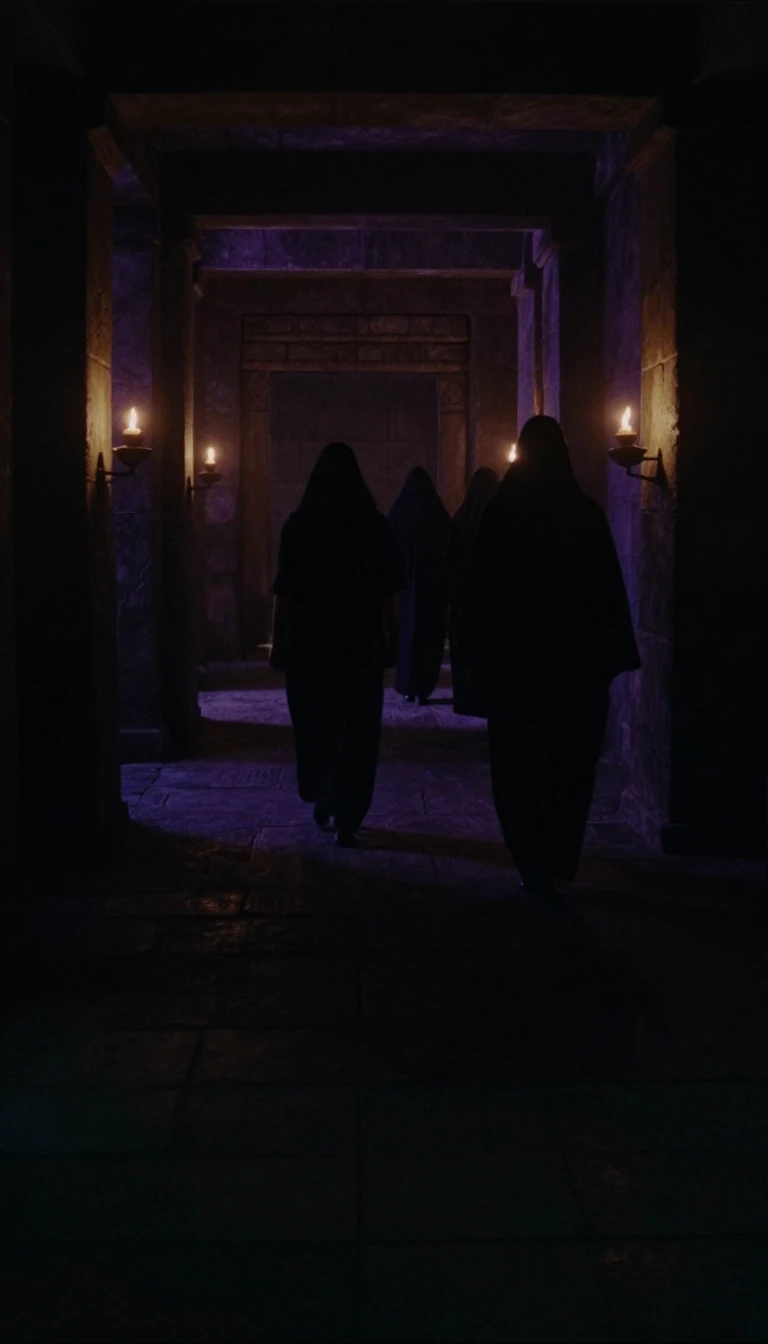
In short: Assyrians are an indigenous Semitic people of Mesopotamia with a continuous history spanning over three millennia. Despite being the only Middle Eastern Christian group without a sovereign state, they have maintained a distinct identity through their ancient Neo-Aramaic language, unique Syriac Christian traditions, and a deep connection to their ancestral homeland.
The modern Assyrian identity is rooted in the ancient Near East, tracing its origins to the city of Assur in the 25th century BC. While the Neo-Assyrian Empire—the largest of its time—collapsed in 609 BC, the people endured under successive Persian, Roman, and Islamic rule. Their linguistic heritage is particularly remarkable; they transitioned from Akkadian to Aramaic, which served as a regional lingua franca for centuries. Today, they continue to speak modern Neo-Aramaic dialects, such as Suret and Turoyo, which retain archaic features and loanwords from their Akkadian ancestors.
Christianity became a cornerstone of Assyrian identity in the 1st century AD, with traditions holding that they were evangelized by St. Thomas the Apostle and his disciples. This early adoption of the faith led to the formation of the Church of the East, which spread Christianity across Asia. However, this religious identity also made them vulnerable. Following the 7th-century Islamic conquests, Assyrians were classified as dhimmi, subject to special taxes like the jizya and kharaj, and faced restrictions on proselytizing and church construction. Despite these pressures, they contributed significantly to Islamic civilization, particularly as scholars and physicians in the Abbasid Caliphate.
The modern era has been defined by displacement and tragedy. The 19th-century cultural awakening, spurred by Western missionary activity, was soon overshadowed by the devastation of World War I. The Assyrian Genocide, or Sayfo, resulted in the deaths of upwards of 250,000 people. Jacques Rhétoré, a French monk, documented staggering losses between 1915 and 1916, including the disappearance of 86 percent of Chaldean Catholics in Mardin. Today, the Assyrian diaspora spans the globe, from North America to Australia, as the community continues to navigate the challenges of maintaining its cultural and linguistic heritage far from its ancestral heartland in northern Mesopotamia.
Opens the Intellect+ feed with this card first. Swipe up for the next one.
Sources
- Summary by Intellect · source: Assyrians
- Also: Assyrian | People, Religions, & Language | Britannica
To cite this card, link to https://intellectplus.co.uk/app/culture-assyrians.
How we source, check and correct cards: Editorial standards.
General information, not professional advice. Spotted an error? Flag the card or see corrections and complaints.
Intellect Plus is a visual educational discovery platform for exploring fascinating facts and ideas. Brain Food, Not Brain Rot. What is Intellect Plus?
Related
More in Traditions & customs · More in Cultures · Latest · A–Z · All topics
