The 1922 Burning of Smyrna: A Cosmopolitan City Erased in a Single Week
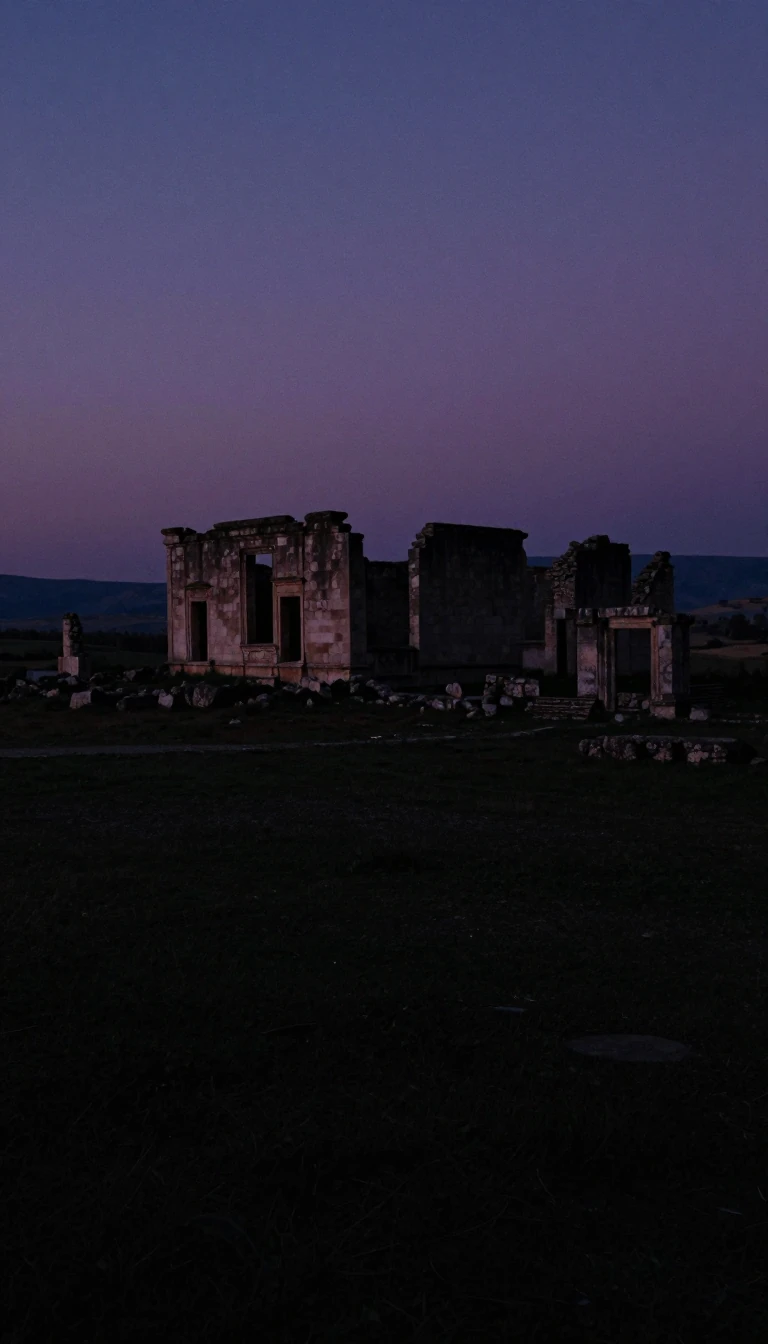
In short: In September 1922, the vibrant, multicultural port of Smyrna was systematically reduced to ash. While Allied warships watched from the harbor, thousands of refugees were trapped on the quay as the Greek and Armenian quarters burned. This catastrophe marked the final, violent collapse of a 3,000-year Greek presence in Anatolia.
For centuries, Smyrna was a cosmopolitan crossroads where Greeks, Turks, Armenians, Jews, and Western Europeans lived side-by-side. By 1919, the city’s Greek population was so significant that some scholars argue it held more Greeks than Athens. However, the Greco-Turkish War brought this era to a brutal close. On 9 September 1922, Turkish nationalist forces captured the city, effectively ending the conflict. Within days, the initial order of the occupation dissolved into systematic violence against the Christian population.
The fire began on 13 September 1922, starting in the Armenian quarter and spreading rapidly. Eyewitnesses, including the director of the American Collegiate Institute, reported seeing Turkish soldiers systematically setting fire to homes and businesses using petroleum-soaked rags. While some pro-Turkish sources have historically blamed the Greeks or Armenians for the blaze, international historical consensus attributes the destruction to Turkish nationalists aiming to eradicate the Christian presence in the region. The fire was so intense that it created a humanitarian crisis on the waterfront, where tens of thousands of refugees were trapped between the flames and the sea.
The human cost remains a subject of intense historical debate, with death toll estimates ranging from several thousand to as many as 180,000. Beyond those killed in the fire or the preceding massacres, tens of thousands of men were deported to the Anatolian interior in labour battalions, where most perished. The event was a defining tragedy of the era; Winston Churchill famously described it as an 'infernal orgy.' Today, the site of the former fire is a vast park, but the memory of the catastrophe remains a deep-seated source of tension between Greece and Turkey, symbolizing the violent end of the Megali Idea.
The international response was marked by a strict adherence to neutrality by the Allied powers, whose warships remained in the harbor while the city burned. Although some individual efforts, such as those by American missionary Asa Jennings, helped evacuate survivors, many refugees were left to face the flames alone. The destruction of Smyrna was not merely an urban fire; it is widely classified as an act of genocide and a war crime that permanently altered the demographic and cultural landscape of the region.
Opens the Intellect+ feed with this card first. Swipe up for the next one.
Sources
- Summary by Intellect · source: Burning of Smyrna
To cite this card, link to https://intellectplus.co.uk/app/history-burning-of-smyrna.
How we source, check and correct cards: Editorial standards.
General information, not professional advice. Spotted an error? Flag the card or see corrections and complaints.
Intellect Plus is a visual educational discovery platform for exploring fascinating facts and ideas. Brain Food, Not Brain Rot. What is Intellect Plus?
Related
More in Modern (1800-1945) · More in History · Latest · A–Z · All topics
