The Field of Mars: How Rome’s military training ground became a political stage
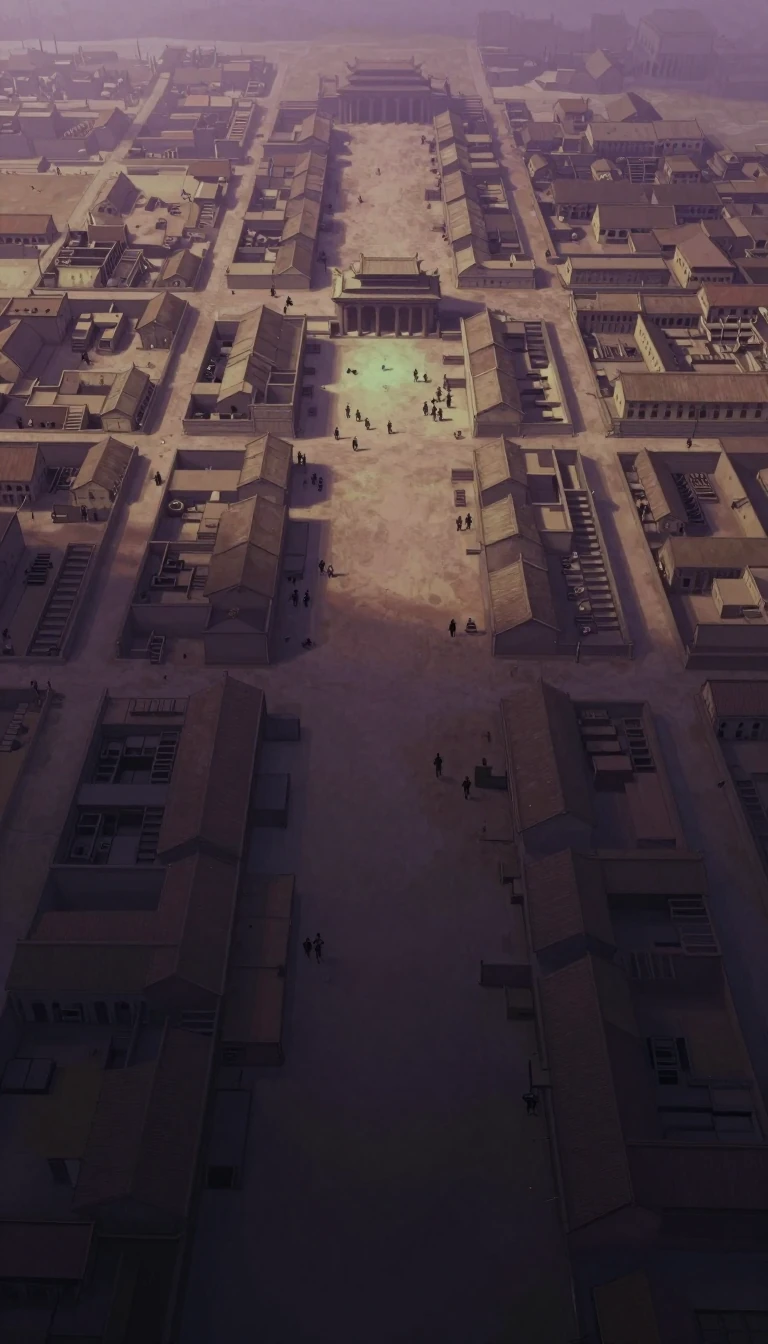
In short: Once a swampy floodplain dedicated to the god of war, the Campus Martius evolved into the heart of ancient Rome. It transformed from a simple mustering field for soldiers into an architectural showcase of temples, theaters, and monuments that cemented the power of emperors and the legacy of the city.
The Campus Martius, or Field of Mars, was a 600-acre expanse located between the Capitoline Hill and the Tiber River. Initially, the area served as a sacred, publicly owned space for religious festivals and military musters. Every spring, Roman men gathered here to prepare for campaigns against surrounding tribes. For centuries, the field remained largely undeveloped, save for a small altar to Mars and, by 435 B.C., the Villa Publica, a clearing used for the census.
The landscape shifted dramatically during the mid-third century B.C. as Roman military expansion brought immense wealth into the city. Victorious generals began funding temples and entertainment venues to curry favor with the populace. By the time of Sulla, the common land was increasingly encroached upon by private villas and apartment blocks. This trend accelerated under Augustus, who used the Campus as a canvas for political propaganda. By constructing buildings like the Saepta Julia and the Pantheon, Augustus ensured that citizens gathering for elections and political speeches were constantly surrounded by structures dedicated to his own image and authority.
The architectural evolution of the Campus also reflected a broader shift in Roman design. Early structures were often simple, but the Hellenistic period introduced stone architecture and complex mathematical ground plans. Later, architects began to embrace concrete, moving away from classical constraints. The area eventually became a necropolis for Rome’s elite, featuring the massive Mausoleum of Augustus. Despite its grandeur, the low-lying field remained vulnerable to the Tiber’s frequent floods. By the fourth century A.D., as pagan temples were repurposed or razed, the Campus Martius began its transition into the dense, medieval urban landscape that would eventually bury the ancient city beneath thirty feet of earth.
Modern scholarship has corrected several misconceptions regarding these monuments. For decades, researchers believed a large obelisk on the site functioned as a sundial integrated with the Ara Pacis to mark Augustus's birthday. However, mid-1980s studies by Schutz and Bandini revealed this was a misinterpretation of ancient texts; the instrument was actually a solar meridian used to track the calendar. Such findings highlight how the Campus Martius continues to reveal its secrets, proving that even the most established historical narratives are subject to revision.
Opens the Intellect+ feed with this card first. Swipe up for the next one.
Sources
- Summary by Intellect · source: Campus Martius
- Also: www.britannica.com — Campus Martius | Rome, History, Map, & Use | Britannica
To cite this card, link to https://intellectplus.co.uk/app/history-campus-martius.
How we source, check and correct cards: Editorial standards.
General information, not professional advice. Spotted an error? Flag the card or see corrections and complaints.
Intellect Plus is a visual educational discovery platform for exploring fascinating facts and ideas. Brain Food, Not Brain Rot. What is Intellect Plus?
Related
More in Ancient · More in History · Latest · A–Z · All topics
