How a thriving sardine empire became a literary landmark and a modern aquarium
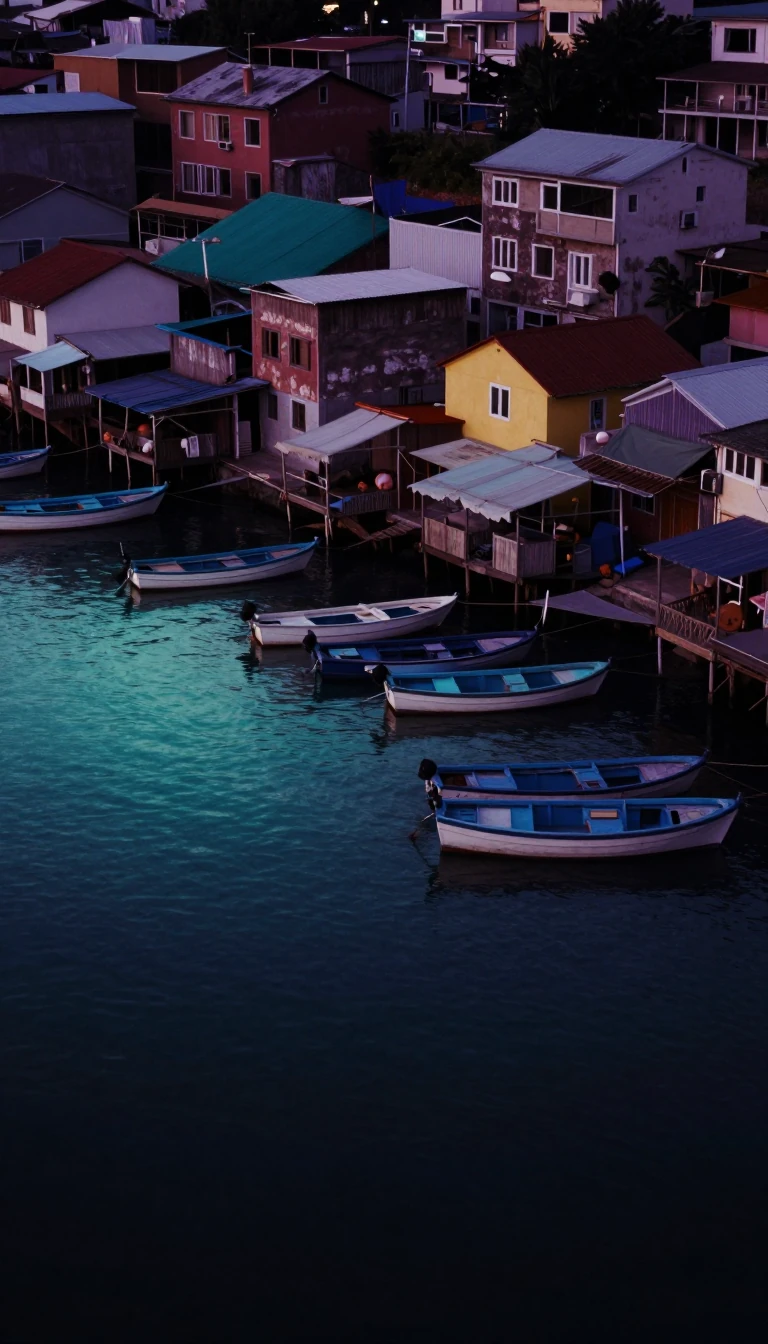
In short: Once a bustling industrial hub producing millions of cans of sardines, Monterey’s Ocean View Avenue transformed into the legendary Cannery Row. Driven by wartime demand and innovative assembly-line technology, the street defined a local economy before a sudden ecological collapse turned its historic factories into a world-famous tourist destination.
The industry began in 1902 when Frank E. Booth established the Monterey Packing Company. By 1913, engineer Knut Hovden had pioneered a modern assembly-line system that allowed for large-scale production. This infrastructure proved vital during World War I, when France suspended exports, creating a massive surge in demand for canned fish to feed Allied troops. By 1918, the canneries were producing 1.4 million cans annually, and the area—formerly known as Ocean View Avenue—earned its iconic nickname.
At its peak in the early 1940s, the row supported over 30 canneries and reduction plants, employing up to 4,000 people, which represented nearly half of Monterey’s population. The workforce was remarkably diverse, including Sicilian, Japanese, Portuguese, Chinese, and Hispanic laborers. Operations were intense; when sardines were running between October and February, workers endured 12- to 15-hour shifts, summoned to the lines by whistles unique to each individual plant.
The industry’s rapid decline followed the postwar years, likely due to a combination of overfishing, shifting ocean temperatures, and natural life cycles. In 1946, the catch reached 142,282 tons, but it plummeted to 26,818 tons just one year later. As the sardines vanished, the canneries closed one by one. The last, the Hovden Cannery, ceased operations in 1973. Today, the site of that final cannery serves as the Monterey Bay Aquarium, which incorporates the original boiler house into its design.
Beyond its industrial history, the street was immortalized by John Steinbeck’s 1945 novel, Cannery Row. The narrative, which captures the atmosphere of the Great Depression, was inspired by the real-life Pacific Biological Laboratories and its manager, Edward F. Ricketts. While the physical structures remain as cultural landmarks, the transition from a gritty, fish-scented production line to a center for tourism and marine education marks a profound shift in the identity of the California coast.
Opens the Intellect+ feed with this card first. Swipe up for the next one.
Sources
- Summary by Intellect · source: Cannery Row
To cite this card, link to https://intellectplus.co.uk/app/history-cannery-row.
How we source, check and correct cards: Editorial standards.
General information, not professional advice. Spotted an error? Flag the card or see corrections and complaints.
Intellect Plus is a visual educational discovery platform for exploring fascinating facts and ideas. Brain Food, Not Brain Rot. What is Intellect Plus?
Related
More in Explorers · More in History · Latest · A–Z · All topics
