How a lush Pacific atoll became the site of a forgotten World War II tragedy
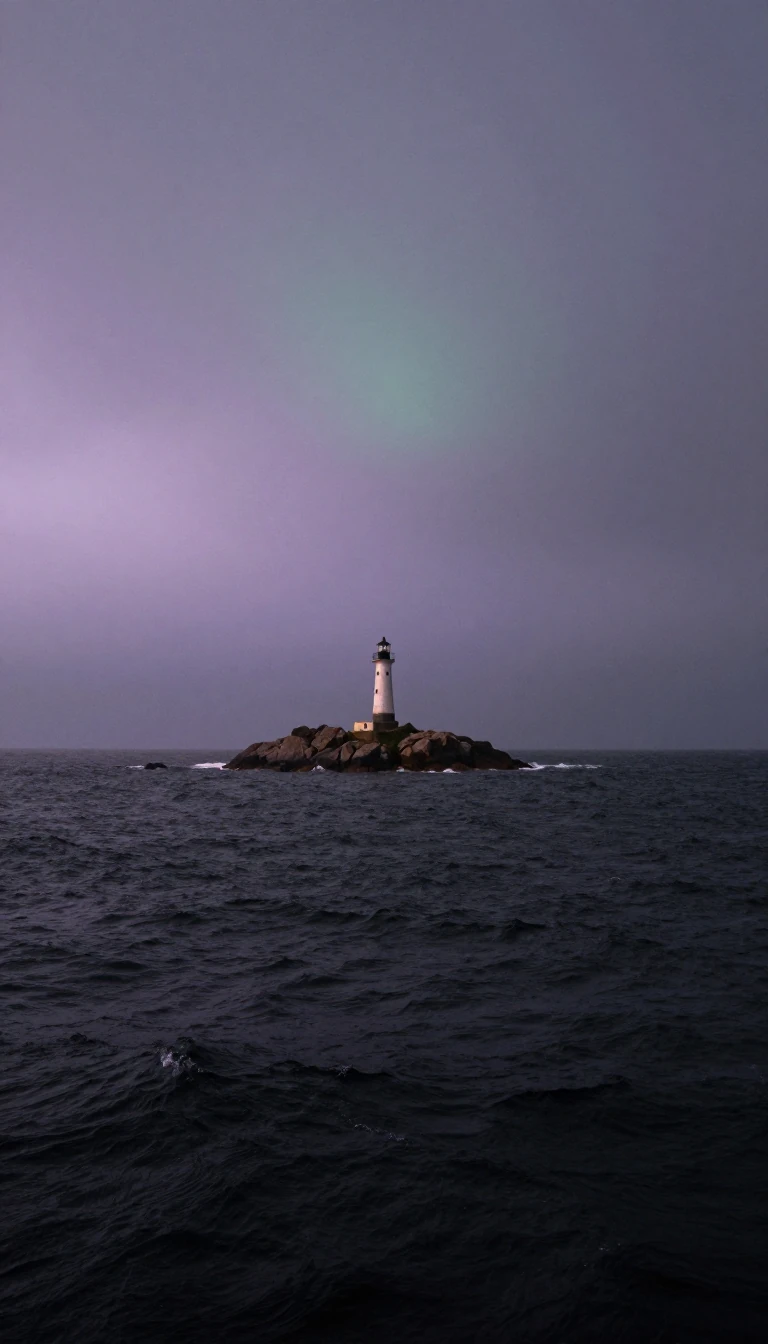
In short: Butaritari, a fertile Kiribati atoll, was once the commercial capital of the Gilbert Islands and home to a powerful hereditary chief. During World War II, the U.S. military misidentified it as Makin, leading to a brutal battle that ultimately cost more American lives than the entire Japanese garrison it targeted.
Butaritari is a four-sided atoll in the Pacific nation of Kiribati, distinguished by its high rainfall and relative agricultural fertility compared to its neighbors. Historically, it operated under a centralized system of power led by a chief, or Uea, which contrasted sharply with the collective governance found in the southern Gilbert Islands. By the late 19th century, it had become a bustling trading hub, attracting European merchants and even hosting Robert Louis Stevenson in 1889, who documented the absolute authority of the local ruler, Nakaeia.
The atoll's strategic significance surged during World War II. After Japanese forces occupied it in December 1941, they established a seaplane base and renamed it Makin, a label that persisted in American military records despite the existence of a separate, smaller island nearby actually named Makin. This confusion persisted through the 1942 Marine Raider raid and the full-scale American invasion in November 1943. While the U.S. successfully declared the island taken by November 23, the victory was marred by a catastrophic loss the following day.
On November 24, 1943, a Japanese submarine torpedoed the escort carrier USS Liscome Bay. The sinking claimed 687 lives, a figure that, when added to the 66 combat deaths from the ground invasion, far exceeded the total strength of the 806-man Japanese garrison. Today, the island's history is physically etched into its landscape, with the current airport runway occupying the site of the original American airstrip, Starmann Field. While the atoll remains lush and rich in marine resources, it faces modern environmental challenges, including saltwater seepage into traditional taro pits and coastal erosion linked to infrastructure development.
Opens the Intellect+ feed with this card first. Swipe up for the next one.
Sources
- Summary by Intellect · source: Butaritari
To cite this card, link to https://intellectplus.co.uk/app/history-butaritari.
How we source, check and correct cards: Editorial standards.
General information, not professional advice. Spotted an error? Flag the card or see corrections and complaints.
Intellect Plus is a visual educational discovery platform for exploring fascinating facts and ideas. Brain Food, Not Brain Rot. What is Intellect Plus?
Related
More in Explorers · More in History · Latest · A–Z · All topics
