Before the missions, the Central Coast was a hub of sophisticated maritime trade networks.
In short: Long before Spanish arrival, Indigenous communities thrived along the California Central Coast for over 10,000 years. These coastal societies utilized advanced seafaring technology and bitumen-sealed boats to maintain inter-island trade. Far from static, their culture demonstrated remarkable resilience, adapting traditional practices to survive centuries of colonial disruption and forced labor.
Archaeological evidence from San Miguel Island, dating back to the Early Holocene period between 10,200 and 8,500 years ago, confirms that Indigenous groups like the Chumash, Ohlone, Esselen, and Salinan were highly adapted to coastal life. These communities relied on marine resources, fishing, and the production of shell beads, which functioned as a form of currency. They utilized bitumen—a natural asphaltum—to waterproof their boats and create adhesives, facilitating extensive trade and interaction across the region.
The arrival of Spanish missions in 1770 fundamentally altered this landscape. Indigenous people were forcibly relocated, conscripted into labor, and exposed to devastating diseases like smallpox and measles. Despite the brutal conditions of mission life, which included starvation and torture, Native Californian culture did not vanish. Archaeological findings, such as arrowheads recovered from central coast sites, reveal that while Indigenous people incorporated new materials like glass and metal, they intentionally retained pre-contact forms, signaling a persistent cultural identity.
Resistance took many forms, from organized uprisings to individual acts of defiance. At the Santa Cruz Mission, an Ohlone woman named Yaquenonsat, who held a position of influence, orchestrated the assassination of a padre known for sexual violence. Today, this legacy of resilience continues through the revival of traditional practices. Tribes such as the Amah Mutsun and the Muwekma Ohlone are actively reinstating anthropogenic burning—a controlled fire technique used for thousands of years to manage the environment—which had been suppressed by colonizers.
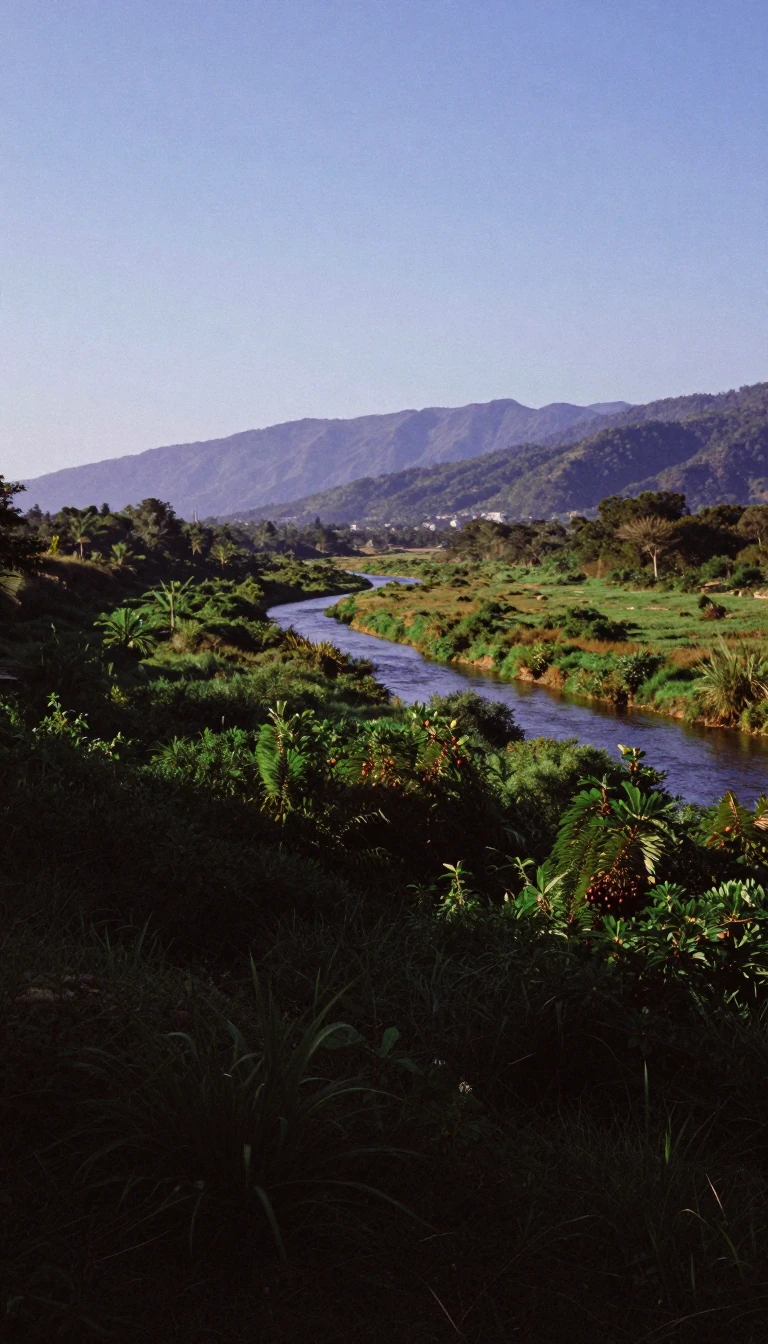
The region's history remains deeply tied to its geography, stretching from Point Mugu to Monterey Bay. While modern development has brought universities and tourism to the area, the deep-rooted history of its original inhabitants remains visible in the landscape. In November 2024, the designation of the Chumash Heritage National Marine Sanctuary, covering 4,543 square miles, marked a significant contemporary recognition of the region's enduring connection to its maritime heritage.
Opens the Intellect+ feed with this card first. Swipe up for the next one.
Sources
- Summary by Intellect · source: Central Coast (California)
To cite this card, link to https://intellectplus.co.uk/app/history-central-coast-california.
How we source, check and correct cards: Editorial standards.
General information, not professional advice. Spotted an error? Flag the card or see corrections and complaints.
Intellect Plus is a visual educational discovery platform for exploring fascinating facts and ideas. Brain Food, Not Brain Rot. What is Intellect Plus?
Related
More in Explorers · More in History · Latest · A–Z · All topics
