Was Chenla a unified kingdom or a historical misunderstanding by Chinese chroniclers?
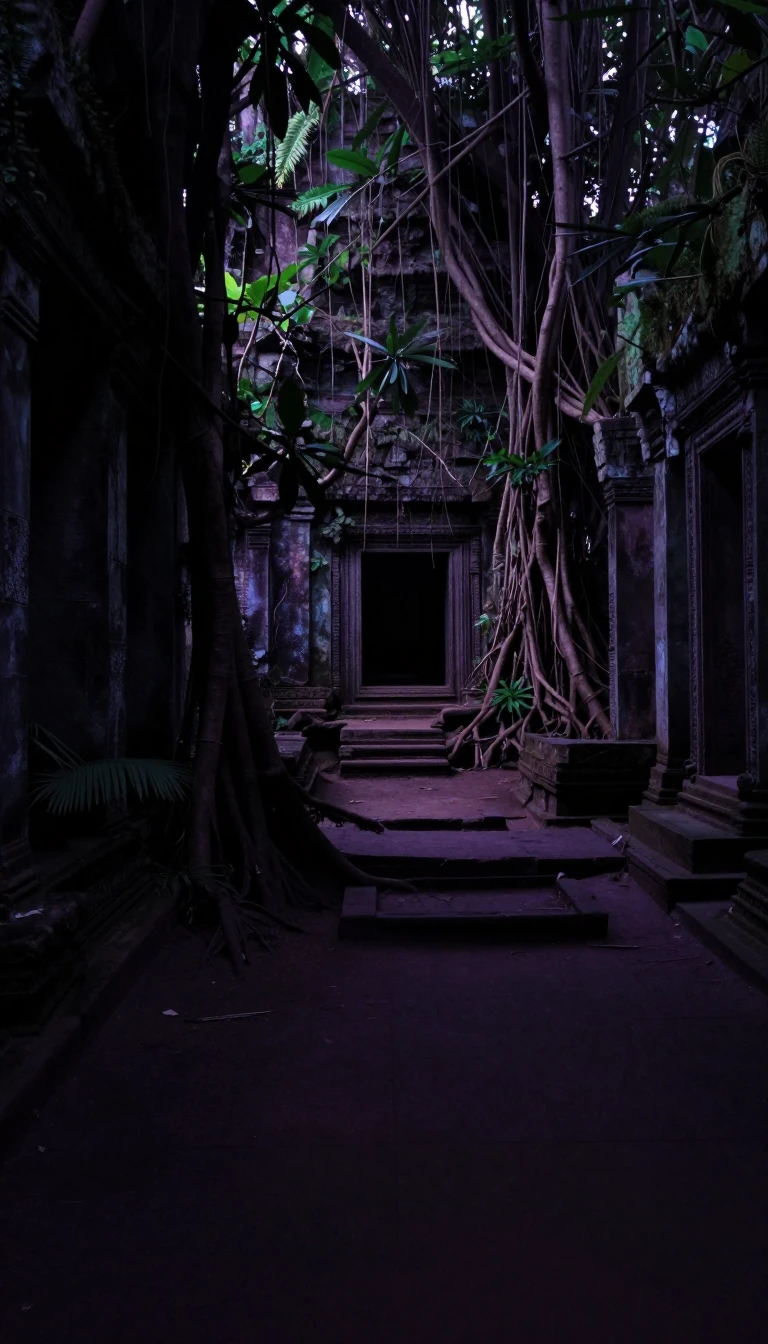
In short: Chenla is the name assigned by Chinese sources to a region in Indochina between the 7th and 9th centuries. While often cited as the successor to the kingdom of Funan, modern historians increasingly view the term as a misnomer for a loose collection of principalities rather than a single state.
The designation Chenla appears primarily in Chinese annals, which describe it as a vassal state that eventually conquered Funan. According to these records, the transition occurred as the rulers of Chenla, who claimed descent from Funan royalty, expanded their domain following disastrous floods that weakened the older kingdom. By the early 7th century, leaders such as Bhavavarman and Citrasena, also known as Mahendravarman, were actively subduing Funan territory. Inscriptions from this era, often featuring Sanskrit and Khmer, document the installation of Hindu symbols like the Shiva-linga and the bull across a vast region spanning modern-day Cambodia, Laos, and Thailand.
However, the reality of Chenla as a centralized power is heavily contested. Since the 1970s, scholars have questioned the accuracy of Chinese accounts, which often rely on isolated remarks. Many modern historians argue that Chenla was never a unitary kingdom but rather a series of temporary confederations of small principalities. The name itself is absent from Old Khmer language records, leading to speculation that it was merely a Chinese label for a region that sent periodic tributes to the imperial court. Etymological theories for the name remain speculative, with some suggesting it relates to regional commodities or even misinterpretations of local Khmer terms.
Despite the political ambiguity, the period saw a flourishing of unique art and culture. The region was deeply influenced by Indian traditions, evidenced by the prevalence of Sanskrit inscriptions and the worship of Hindu deities such as Vishnu, Krishna, and Shiva. Artisans of the time produced magnificent stone cult images, including the composite Harihara figure, which blended Shiva and Vishnu. These cultural developments, alongside the expansion of intensive agriculture in inland areas and trade in the Mekong delta, define the era known to historians as the Pre-Angkor period, regardless of whether the name Chenla accurately reflects its political structure.
Opens the Intellect+ feed with this card first. Swipe up for the next one.
Sources
- Summary by Intellect · source: Chenla | ancient state, Indochina | Britannica
- Also: Chenla
To cite this card, link to https://intellectplus.co.uk/app/history-chenla.
How we source, check and correct cards: Editorial standards.
General information, not professional advice. Spotted an error? Flag the card or see corrections and complaints.
Intellect Plus is a visual educational discovery platform for exploring fascinating facts and ideas. Brain Food, Not Brain Rot. What is Intellect Plus?
Related
More in Post-classical · More in History · Latest · A–Z · All topics
