How Sonic Youth turned noise and pop into a defining American indie rock monument
In short: Released in 1988, Daydream Nation transformed Sonic Youth from underground favorites into architects of a new musical language. By blending dissonant improvisations with catchy melodies, the band created a double album that critics and historians now consider a seismic masterpiece of the alternative rock era and a cultural landmark.
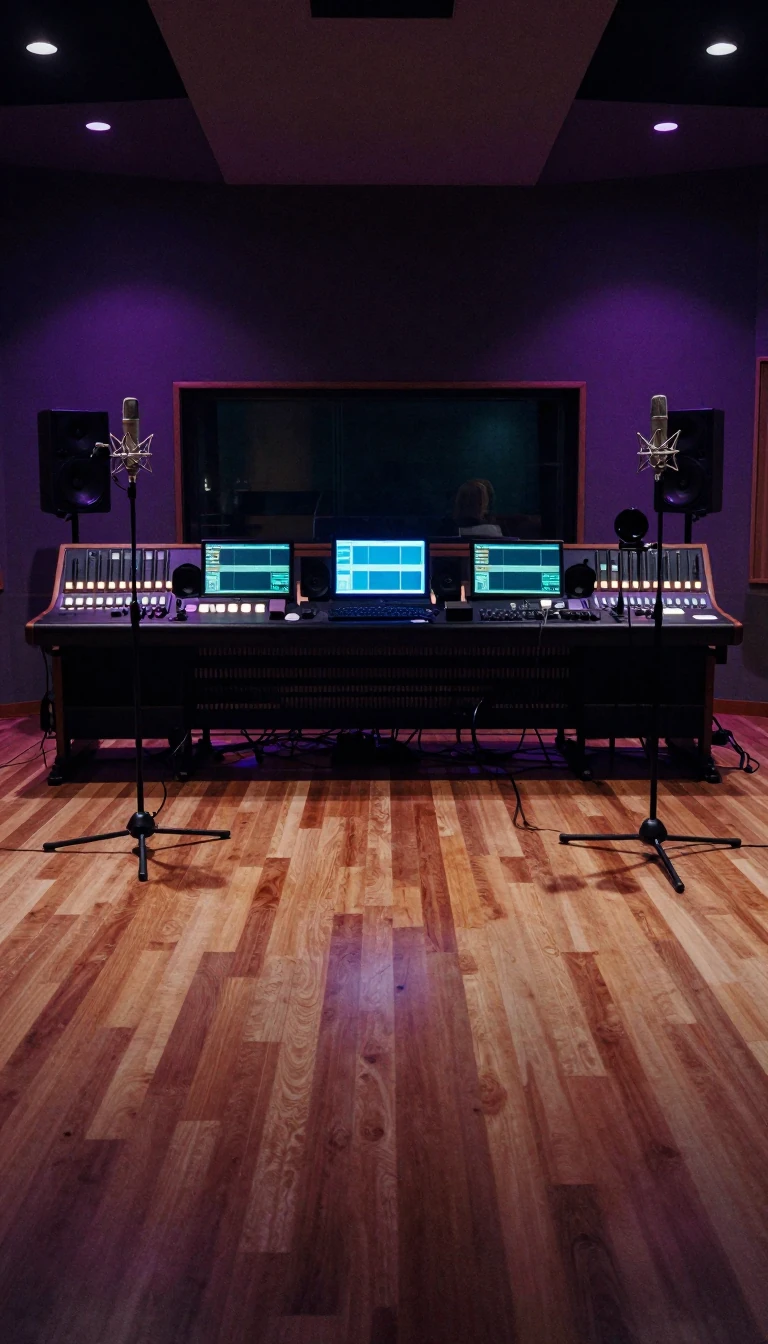
Recorded over three weeks in mid-July 1988 at Greene St. Recording in Manhattan, Daydream Nation was Sonic Youth's fifth studio album and their first as a double LP. The band, having left SST Records due to administrative and payment disputes, approached this project with a new level of ambition. Thurston Moore wrote prolifically, and the group spent months fashioning melody ideas into long-form compositions, some stretching beyond thirty minutes. The studio engineer, Nick Sansano, initially unfamiliar with the band, was guided by their desire for an aggressive sound, resulting in a production that cost $30,000—a figure Moore jokingly labeled their first non-econo record.
The album is defined by its unorthodox guitar tunings and a structure that frequently gives way to lengthy instrumental excursions. Lyrically, the band drew from diverse pop culture sources, including science fiction writer William Gibson, the Andy Warhol film Chelsea Girls, and the crack epidemic of the late 1980s. The cover art features a 1983 painting by Gerhard Richter, while the inner packaging includes four symbols representing each band member—a parody of the symbols found on Led Zeppelin's fourth album. This blend of high art and punk sensibility solidified the band's reputation for intellectual rigor.
Following its release on October 18, 1988, the album earned widespread critical acclaim, placing high on year-end lists and eventually securing a major label deal for the band. It has since been canonized as a breakthrough in avant-rock, with many critics arguing that its influence on the alternative rock genre was as seismic as Nirvana's later success. In 2005, the Library of Congress recognized its cultural significance by selecting it for preservation in the National Recording Registry. Today, it remains a definitive document of the era, celebrated for its ability to synthesize the urgency of punk with the beauty of pop.
Opens the Intellect+ feed with this card first. Swipe up for the next one.
Sources
- Summary by Intellect · source: Daydream Nation
To cite this card, link to https://intellectplus.co.uk/app/history-daydream-nation.
How we source, check and correct cards: Editorial standards.
General information, not professional advice. Spotted an error? Flag the card or see corrections and complaints.
Intellect Plus is a visual educational discovery platform for exploring fascinating facts and ideas. Brain Food, Not Brain Rot. What is Intellect Plus?
Related
More in Born on this day · More in History · Latest · A–Z · All topics
