Was Alexander the Great alive when his contemporaries declared him dead in 323 BCE?
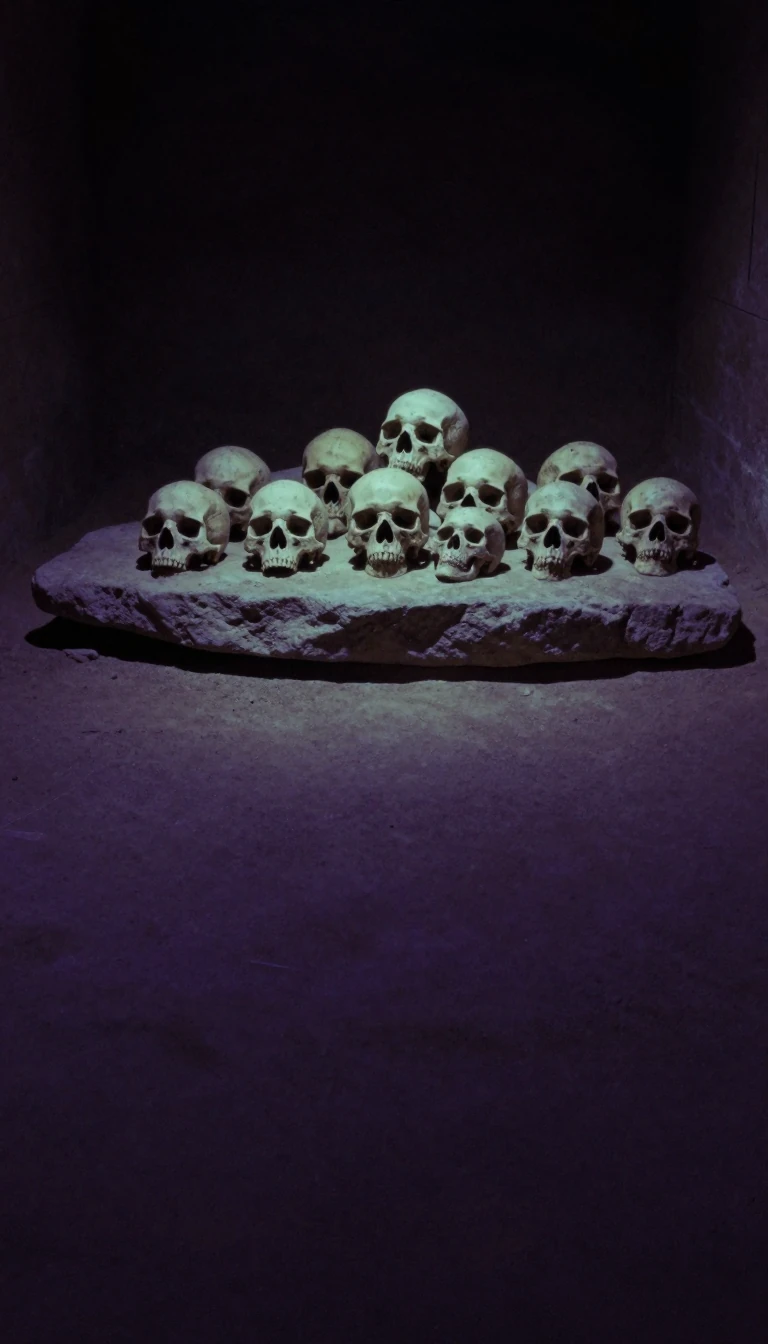
In short: For six days after his death, Alexander the Great’s body reportedly showed no signs of decay. While ancient observers interpreted this as evidence of divinity, modern medical science offers a chilling alternative: the king may have been suffering from a rare condition, leading to a premature burial while still alive.
The death of Alexander the Great in 323 BCE remains a historical enigma. Following a period of intense partying and a collapse marked by severe back pain, the king suffered through ten days of fever. By the time his soldiers were permitted to see him, he had lost the ability to speak, though he could still acknowledge them with his eyes. When he was finally declared dead on June 13, his body allegedly remained fresh and unchanged for six days, a phenomenon that ancient witnesses attributed to his status as a god.
Centuries of speculation have produced numerous theories regarding the cause of his demise. Historians have proposed infectious diseases such as malaria, typhoid fever, or pneumonia, while others have suggested poisoning or alcoholic liver disease. However, these traditional medical diagnoses fail to account for the reported lack of decomposition. In 2018, Dr. Katherine Hall of the Dunedin School of Medicine proposed a radical hypothesis: Alexander may have suffered from Guillain-Barré syndrome, an autoimmune disorder causing progressive muscle paralysis.
This theory suggests that Alexander’s physicians may have mistaken the shallow, nearly imperceptible breathing of a coma patient for death. If this were true, the king might have been fully conscious but unable to move or signal his state. The most harrowing implication of this diagnosis is that the subsequent embalming process—which involved disemboweling—would have effectively ended his life. While we cannot confirm the exact medical reality of his final days, Hall’s hypothesis provides a rare explanation that reconciles the historical accounts of his 'fresh' body with the physiological limitations of the human form.
The debate continues to highlight the tension between ancient narrative and modern clinical interpretation. Whether he succumbed to a common ancient pathogen or a tragic case of misdiagnosed paralysis, the mystery of his final days persists. By looking past the supernatural claims of his contemporaries, we gain insight into how the limitations of ancient medicine could transform a royal death into a centuries-long historical puzzle.
Opens the Intellect+ feed with this card first. Swipe up for the next one.
Sources
- Summary by Intellect · source: How Did Alexander the Great Really Die? | Britannica
- Also: Death of Alexander the Great
To cite this card, link to https://intellectplus.co.uk/app/history-death-of-alexander-the-great.
How we source, check and correct cards: Editorial standards.
General information, not professional advice. Spotted an error? Flag the card or see corrections and complaints.
Intellect Plus is a visual educational discovery platform for exploring fascinating facts and ideas. Brain Food, Not Brain Rot. What is Intellect Plus?
Related
More in Empires & civilisations · More in History · Latest · A–Z · All topics
