Why did ancient Greeks believe the center of the world was in Delphi?
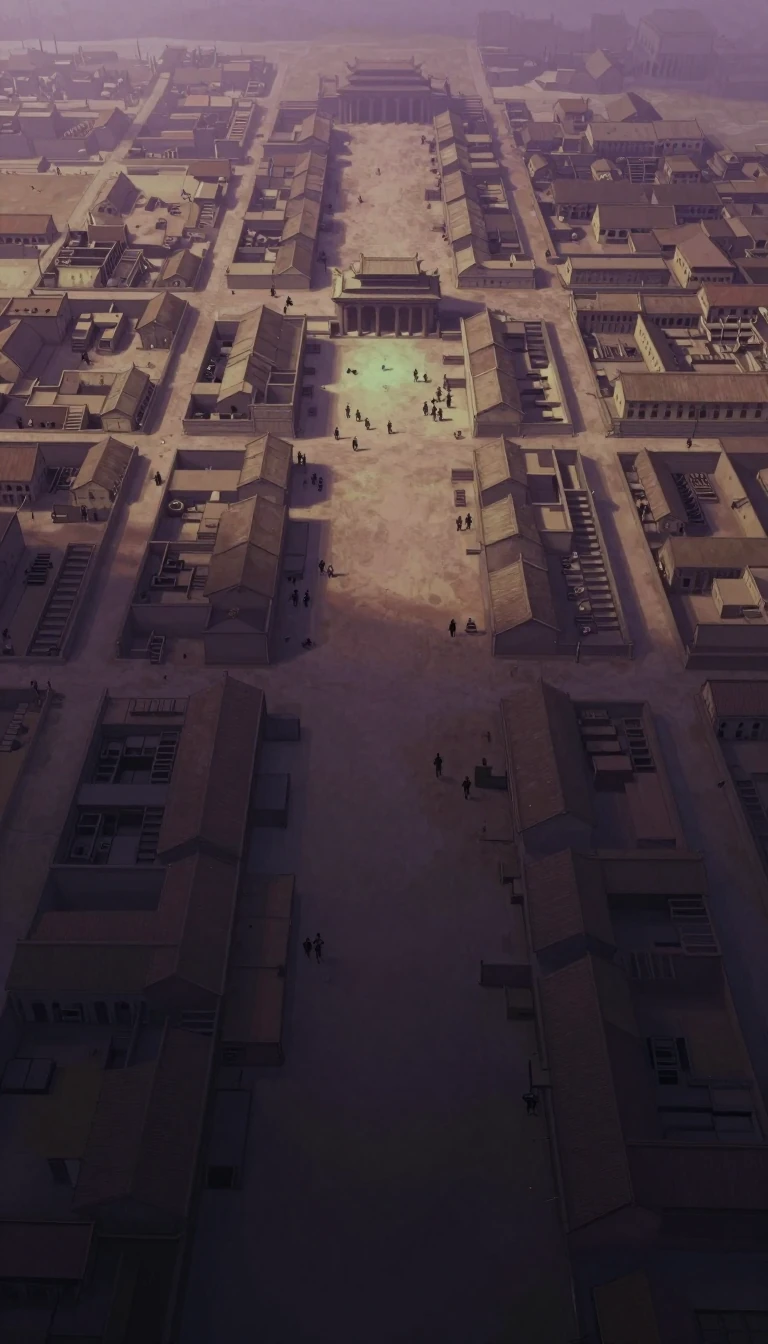
In short: For centuries, the ancient world looked to Delphi as the spiritual navel of the earth. Home to the legendary oracle Pythia, this sacred precinct on Mount Parnassus served as a geopolitical hub where city-states built lavish treasuries to commemorate victories and seek divine guidance for their most critical decisions.
Delphi, once known as Pytho, was considered the center of the world by the ancient Greeks, marked by a stone monument called the Omphalos, or navel. The site’s name shares a root with the Greek word for womb, and legend suggests it was named after the serpent Delphyne, whom Apollo defeated. Archaeological evidence indicates the area was inhabited as early as the Early Helladic period, with the site likely appropriated by Phocians from the nearby Mycenaean stronghold of Krisa.
The sanctuary’s influence was cemented by the Pythia, an oracle consulted by leaders throughout the classical world. To thank the oracle for advice that supposedly secured their military successes, Greek city-states constructed elaborate treasuries to house votive offerings. The Athenian Treasury, built to honor their victory at the 490 BC Battle of Marathon, stands as a testament to this practice. Other states, including the Argives, Sicyonians, and Boeotians, similarly established their presence at the site through architecture.
The site’s physical layout reflects its long history of transformation. While the Temple of Apollo is the most famous structure, the precinct also features a massive theatre capable of seating 4,500 spectators and a stadium that could accommodate 6,500. The site underwent significant changes under Roman influence, including major renovations to the theatre by Nero in 67 AD and the addition of a Roman Agora. By the 6th century AD, however, the city began to decline, with its trade contacts diminishing and its grand spaces repurposed for local workshops and pottery production.
Modern knowledge of Delphi was largely unlocked by the French Archaeological School, which began systematic excavations in 1893 after a damaging earthquake forced the relocation of the village of Kastri. Today, the site remains a UNESCO World Heritage site, preserving everything from the earliest known musical notation to the intricate reliefs of the Siphnian Treasury, offering a window into the fundamental unity of the ancient Greek world.
Opens the Intellect+ feed with this card first. Swipe up for the next one.
Sources
- Summary by Intellect · source: Delphi
To cite this card, link to https://intellectplus.co.uk/app/history-delphi.
How we source, check and correct cards: Editorial standards.
General information, not professional advice. Spotted an error? Flag the card or see corrections and complaints.
Intellect Plus is a visual educational discovery platform for exploring fascinating facts and ideas. Brain Food, Not Brain Rot. What is Intellect Plus?
Related
More in Empires & civilisations · More in History · Latest · A–Z · All topics
