The failed coup that birthed Russian revolutionary martyrdom
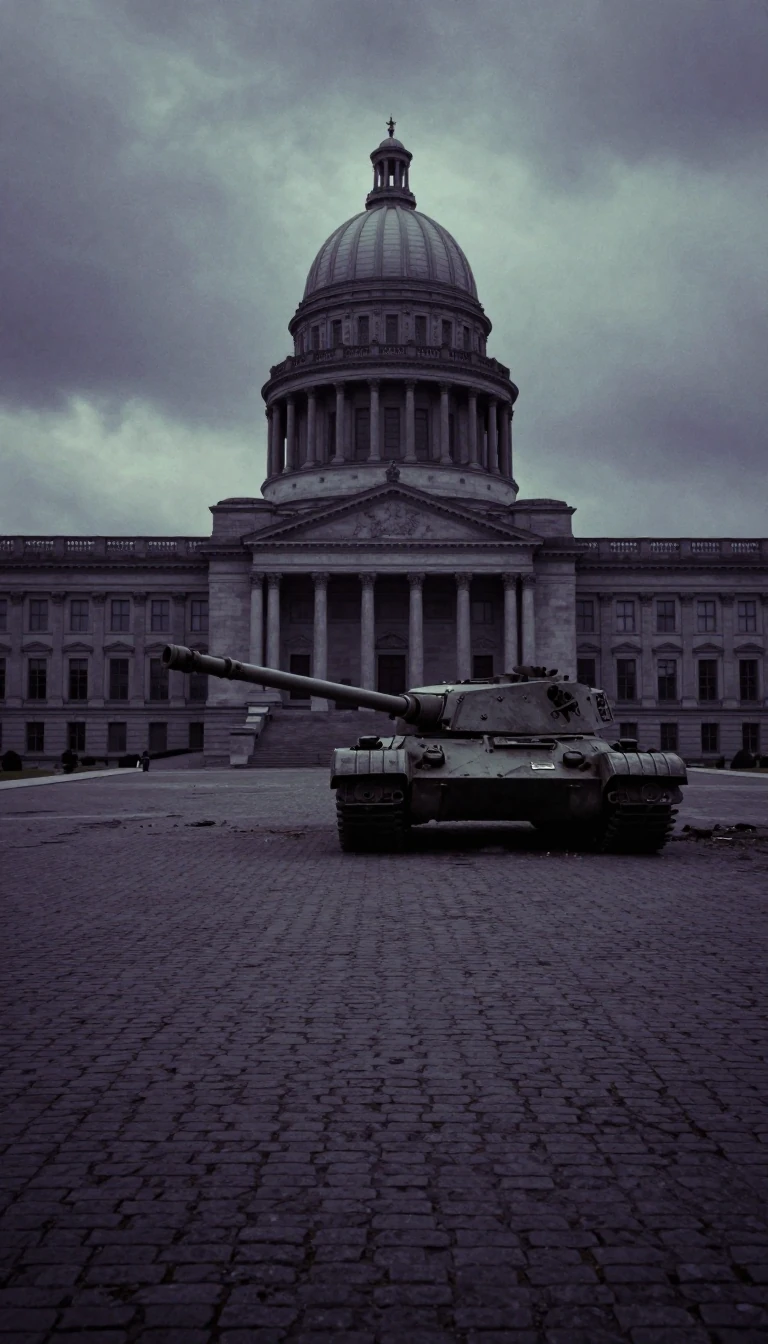
In short: In 1825, a group of high-ranking officers attempted to overthrow the Russian autocracy during a chaotic succession crisis. While the revolt collapsed in hours, it transformed these elite dissidents into symbols of resistance, creating a blueprint for revolution that would haunt the Russian Empire for a century.
The uprising was triggered by a bizarre dynastic confusion. When Emperor Alexander I died suddenly on December 1, 1825, his brother Konstantin had privately renounced his right to the throne two years earlier. Because this renunciation was secret, many military units mistakenly swore loyalty to Konstantin instead of the rightful heir, Nicholas I. The Northern Society—a secret group of liberal nobles and officers—exploited this confusion to stage a coup on December 26, aiming to replace autocracy with a constitutional monarchy.
The movement was deeply divided by ideology. The moderate Northern Society envisioned a British-style monarchy with limited franchise and the preservation of land for landlords. In contrast, the more radical Southern Society, led by Pavel Pestel, sought to abolish the monarchy entirely, establish a republic, and redistribute half of all land to the peasantry. These revolutionaries were influenced by diverse global currents: they studied the United States Constitution but rejected its federal model in favor of a Slavic federation, while also drawing inspiration from the Napoleonic Wars' exposure to peasant suffering.
The revolt itself was plagued by indecision. Approximately 3,000 rebel troops gathered in Senate Square, only for their intended provisional dictator, Prince Sergey Trubetskoy, to flee almost immediately. A standoff ensued against 9,000 loyalist troops until the new Tsar Nicholas I appeared in person. The rebellion ended violently when an envoy was assassinated and heavy artillery scattered the rebels. Following the failure, a massive investigation led to the trial of 289 participants; five were hanged, while dozens more were exiled to Siberia, becoming the 'Decembrists.'
This event matters because it marked the first organized attempt by the Russian elite to dismantle serfdom and autocracy from within. By rejecting courtly life—even wearing swords at balls as a sign of protest—the Decembrists signaled a shift toward intellectual radicalism that would inspire every subsequent generation of Russian dissidents.
Opens the Intellect+ feed with this card first. Swipe up for the next one.
Sources
- Summary by Intellect · source: Decembrist revolt
- Also: Decembrist | Decembrist | Russian Revolution, Uprising, 1825 | Britannica
To cite this card, link to https://intellectplus.co.uk/app/history-decembrist-revolt.
How we source, check and correct cards: Editorial standards.
General information, not professional advice. Spotted an error? Flag the card or see corrections and complaints.
Intellect Plus is a visual educational discovery platform for exploring fascinating facts and ideas. Brain Food, Not Brain Rot. What is Intellect Plus?
Related
More in Modern · More in History · Latest · A–Z · All topics
