The Dorset people were Arctic masters who vanished without a trace of genetic legacy
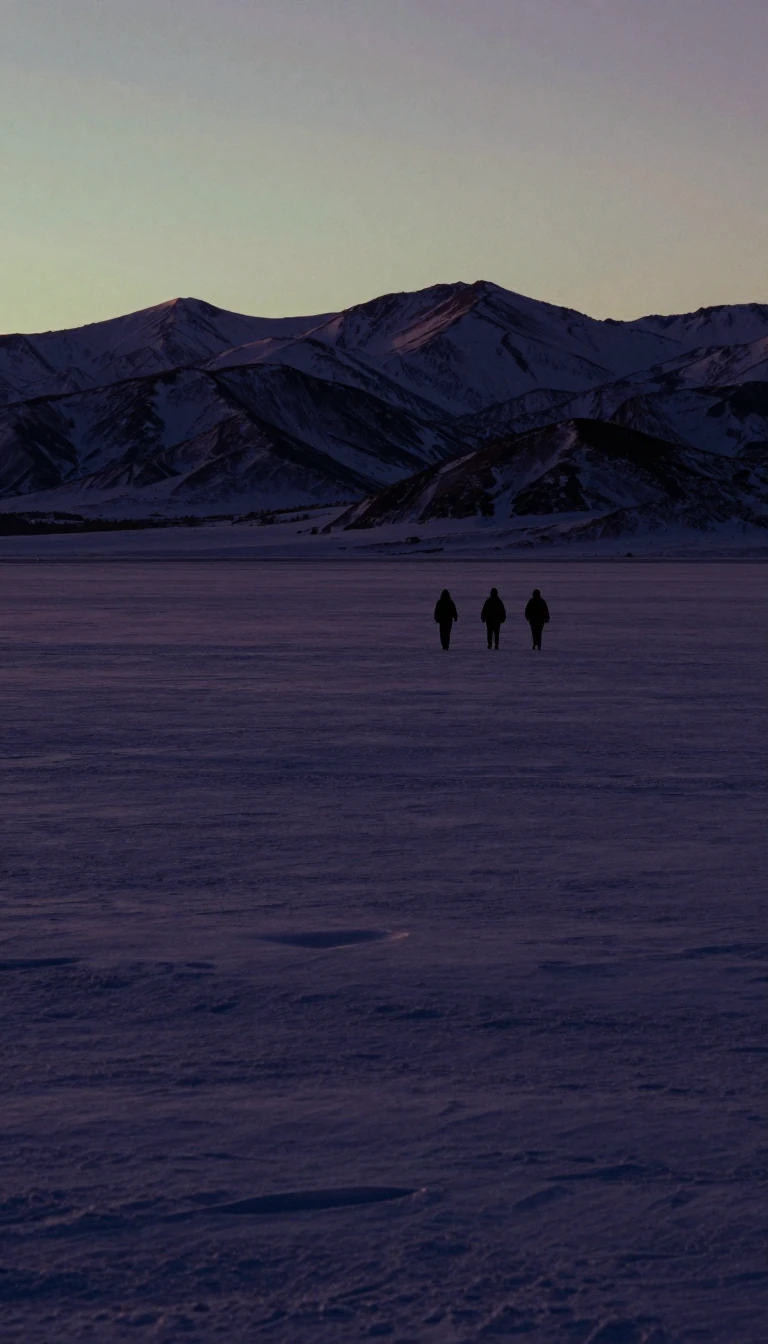
In short: For two millennia, the Dorset culture thrived in the harsh North American Arctic, surviving on sea mammals and refined stone tools. Yet, they lacked bows, arrows, and drills. By 1500, they were gone, replaced by the Thule people, leaving behind only mysterious carvings and legends of a gentle, vanished race.
First identified as a distinct culture in 1925 by anthropologist Diamond Jenness, the Dorset people occupied the North American Arctic from 500 BCE until roughly 1500 CE. Their technological toolkit was remarkably consistent, characterized by triangular end-blades, soapstone oil lamps, and burins—chisel-like flakes used for carving bone and wood. Notably, they lacked the bow and arrow and bow drills used by their predecessors and successors, relying instead on painstakingly gouged holes in their artifacts.
The Dorset were highly specialized hunters, focusing on sea mammals like seals, walruses, and narwhals. Their lifestyle was deeply tied to stable sea ice, which allowed them to hunt at breathing holes. This reliance likely proved fatal when the Medieval Warm Period began in the mid-10th century. As sea ice became unpredictable, the Dorset were forced to retreat or dwindle. While radiocarbon dating confirms their presence in Cambridge Bay as late as 1350 CE, they were eventually completely replaced by the Thule, who migrated from Alaska starting in the 11th century.
Genetic research has fundamentally reshaped our understanding of this transition. A 2014 study published in Science analyzed nineteen sets of remains, revealing that the Dorset were genetically distinct from the Thule. There is no evidence of interbreeding between the two groups. While Inuit oral traditions speak of the 'Tuniit'—a strong, shy people they encountered upon arrival—the scientific consensus suggests the Dorset were an isolated population that vanished, possibly due to climate shifts or disease, without leaving a genetic footprint in the modern Inuit population.
The mystery of the Dorset is compounded by their sophisticated artistic tradition, which included miniature carvings and masks that suggest a vibrant shamanistic culture. For years, scholars speculated that the Sadlermiut people, who lived in isolation until 1903, were the last remnants of the Dorset. However, 2012 genetic analysis refuted this link, confirming that the Dorset remain a distinct, enigmatic chapter in Arctic history, separated from the Thule by a profound biological and cultural divide.
Opens the Intellect+ feed with this card first. Swipe up for the next one.
Sources
- Summary by Intellect · source: Dorset culture
To cite this card, link to https://intellectplus.co.uk/app/history-dorset-culture.
How we source, check and correct cards: Editorial standards.
General information, not professional advice. Spotted an error? Flag the card or see corrections and complaints.
Intellect Plus is a visual educational discovery platform for exploring fascinating facts and ideas. Brain Food, Not Brain Rot. What is Intellect Plus?
Related
More in Prehistory · More in History · Latest · A–Z · All topics
