How did prehistoric humans survive the brutal cold of the European Ice Age?
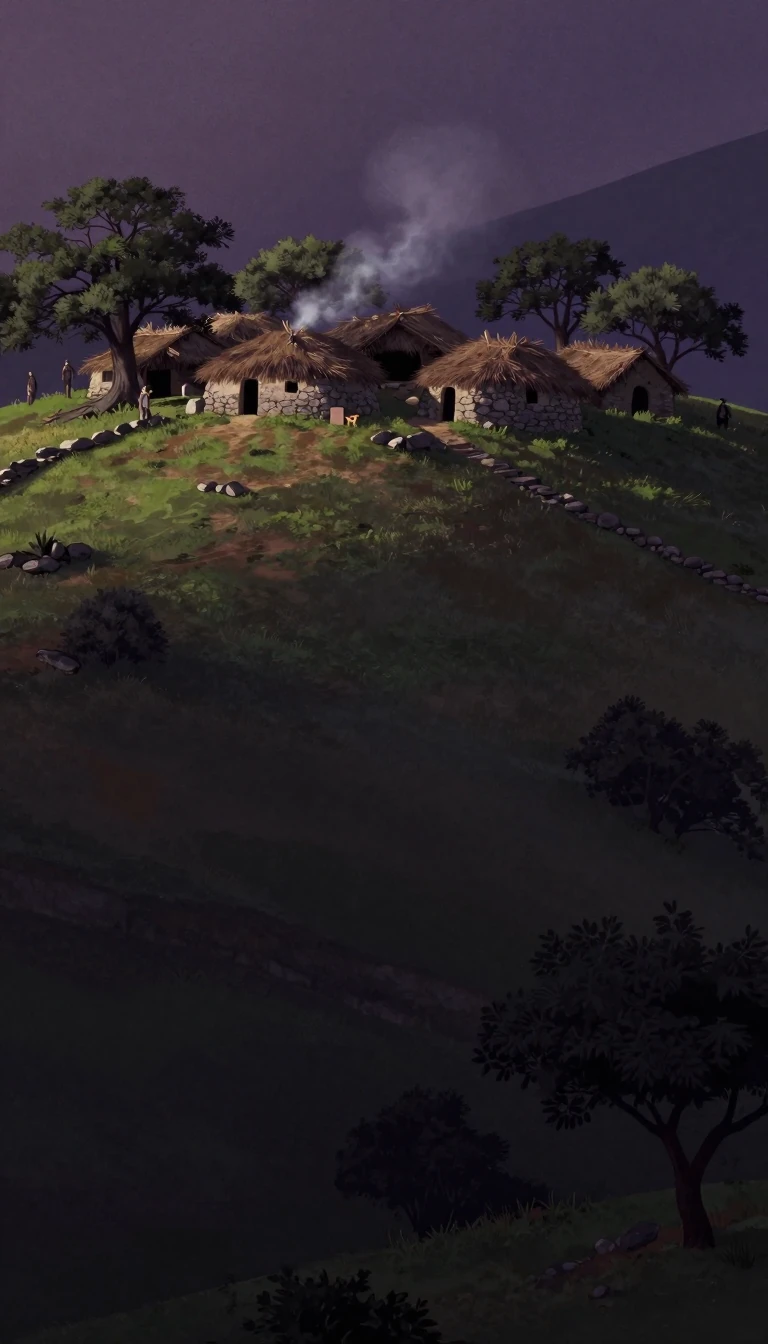
In short: The Gravettian people thrived in a harsh, frozen landscape by mastering specialized hunting and innovative engineering. From mammoth-bone dwellings to advanced sewing needles, these Upper Paleolithic humans developed complex social structures and artistic traditions that allowed them to flourish across Europe long before the dawn of modern agriculture.
The Gravettian industry, which succeeded the Aurignacian, emerged as a distinct cultural tradition during the Upper Paleolithic. Spanning from France to Russia, these hunter-gatherers adapted to a climate that shifted between cold steppe and Arctic tundra. They were not a single, monolithic group; rather, they were composed of genetically diverse populations that maintained a shared toolkit and cultural identity. Their survival was predicated on high mobility and a sophisticated understanding of their environment, which allowed them to track migratory herds across vast distances.
Hunting was the cornerstone of Gravettian life. In western Europe, they focused heavily on horses, while eastern groups specialized in hunting mammoths. These communal efforts often utilized pitfalls and stampedes to secure large quantities of meat, which provided the high-energy, fat-rich diet necessary for surviving extreme cold. Beyond hunting, they demonstrated remarkable ingenuity in material culture. They constructed winter houses using mammoth bones and utilized mammoth fat as a vital fuel source. Their toolkit was equally advanced, featuring narrow, blunted-back blades, specialized sewing needles, and nets used to capture smaller game like hares and foxes.
The Gravettian period is also marked by the emergence of complex symbolic expression. They are well-known for their 'Venus' figurines—small, portable sculptures carved from ivory or clay that emphasize fertility. Beyond these iconic statues, they produced jewelry from animal teeth, shells, and ivory, and used red ochre as a pigment. This era also saw the development of intentional burial rites, where the deceased were interred with personal ornaments and offerings. These practices, combined with their ability to craft skin clothing and build semi-subterranean dwellings, highlight a level of social organization and technological mastery that defined human achievement during one of the most challenging climatic periods in history.
Opens the Intellect+ feed with this card first. Swipe up for the next one.
Sources
- Summary by Intellect · source: Gravettian industry | archaeology | Britannica
- Also: Gravettian
To cite this card, link to https://intellectplus.co.uk/app/science-gravettian.
How we source, check and correct cards: Editorial standards.
General information, not professional advice. Spotted an error? Flag the card or see corrections and complaints.
Intellect Plus is a visual educational discovery platform for exploring fascinating facts and ideas. Brain Food, Not Brain Rot. What is Intellect Plus?
Related
More in Archaeology · More in History · Latest · A–Z · All topics
