Draco is a celestial dragon that once served as the Earth's northern pole star.
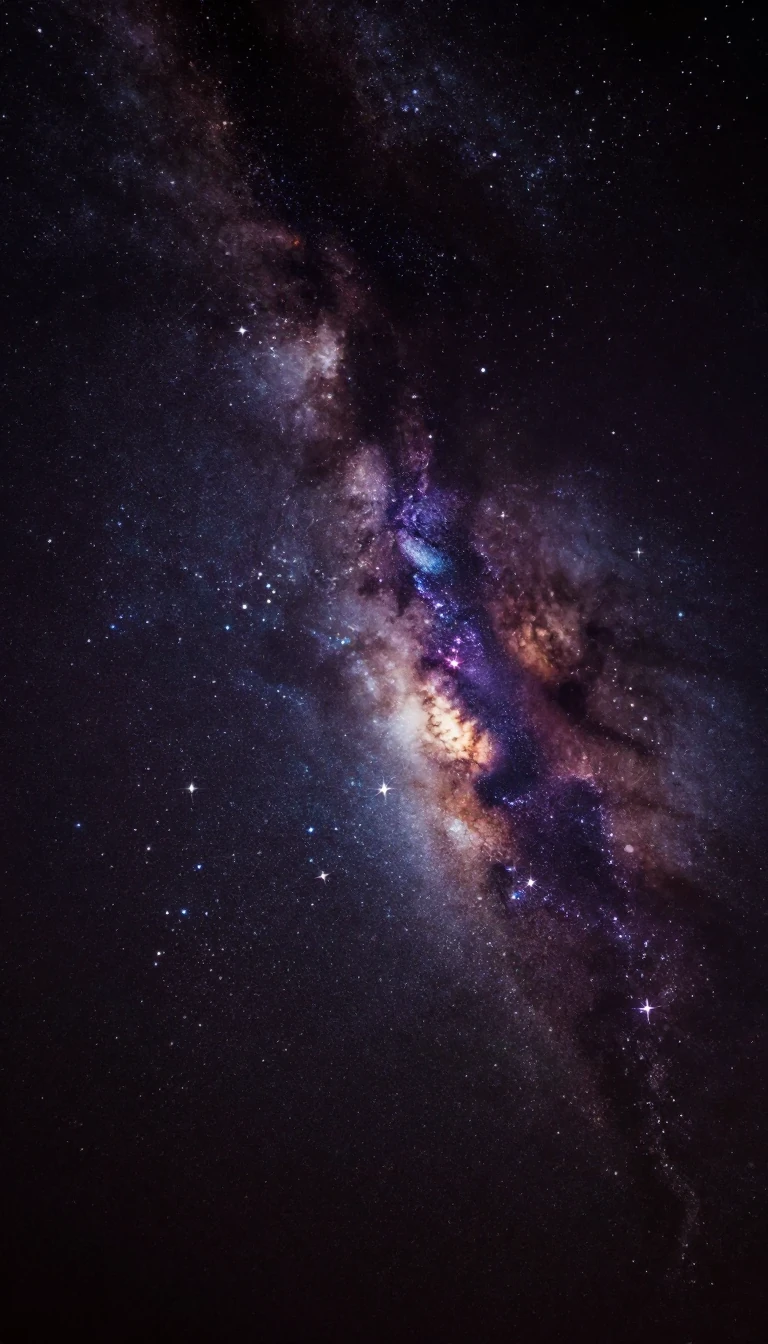
In short: Draco, the dragon constellation, is a permanent fixture of the northern sky. Beyond its mythological roots as a guardian of golden apples or a fallen giant, this region of space holds the key to ancient navigation, the discovery of starlight aberration, and the most distant objects visible to amateur astronomers.
Draco is one of the 48 constellations cataloged by the 2nd-century astronomer Ptolemy, though its origins trace back to Eudoxus of Cnidus in the 4th century BC. Because it is circumpolar from northern latitudes, it never sets, making it a constant presence in the night sky. Its historical significance is anchored by Thuban, a blue-white giant star that served as the North Star from 3942 BC until 1793 BC. Ancient Egyptian pyramid builders aligned their structures to capture this star in their entrance passages, a testament to its role as a celestial anchor. Due to the precession of the equinoxes, Thuban is destined to reclaim its title as the pole star around AD 21000.
The constellation is a treasure trove for observational astronomy. In 1728, James Bradley discovered the aberration of starlight while observing Gamma Draconis, the constellation's brightest star. Draco also hosts the Cat's Eye Nebula, a complex planetary nebula discovered by William Herschel in 1786, and the quasar Q1634+706. At 12.9 billion light-years away, this quasar holds the distinction of being the most distant object typically visible through an amateur telescope. Furthermore, the southern region of the constellation overlaps with the Hercules–Corona Borealis Great Wall, which is potentially the largest structure in the known universe.
Culturally, Draco has been interpreted through vastly different lenses. While Greek mythology often cast it as the dragon Ladon or the giant Typhon, traditional Arabic astronomy viewed the same stars as a group of camels—a mother and her young—being stalked by hyenas. This duality persists in modern naming conventions; the star Eltanin, for example, derives from the Arabic for 'the head of the dragon.' Today, the constellation's influence extends into pop culture, lending its name to characters like Draco Malfoy, the Dragonheart film protagonist, and even a specific variation of the Sicilian Defense in chess.
Opens the Intellect+ feed with this card first. Swipe up for the next one.
Sources
- Summary by Intellect · source: Draco (constellation)
To cite this card, link to https://intellectplus.co.uk/app/history-draco-constellation.
How we source, check and correct cards: Editorial standards.
General information, not professional advice. Spotted an error? Flag the card or see corrections and complaints.
Intellect Plus is a visual educational discovery platform for exploring fascinating facts and ideas. Brain Food, Not Brain Rot. What is Intellect Plus?
Related
More in History by subject matter · More in History · Latest · A–Z · All topics
