How a Warlord's Domain Transformed the Yangtze Delta into a Chinese Powerhouse
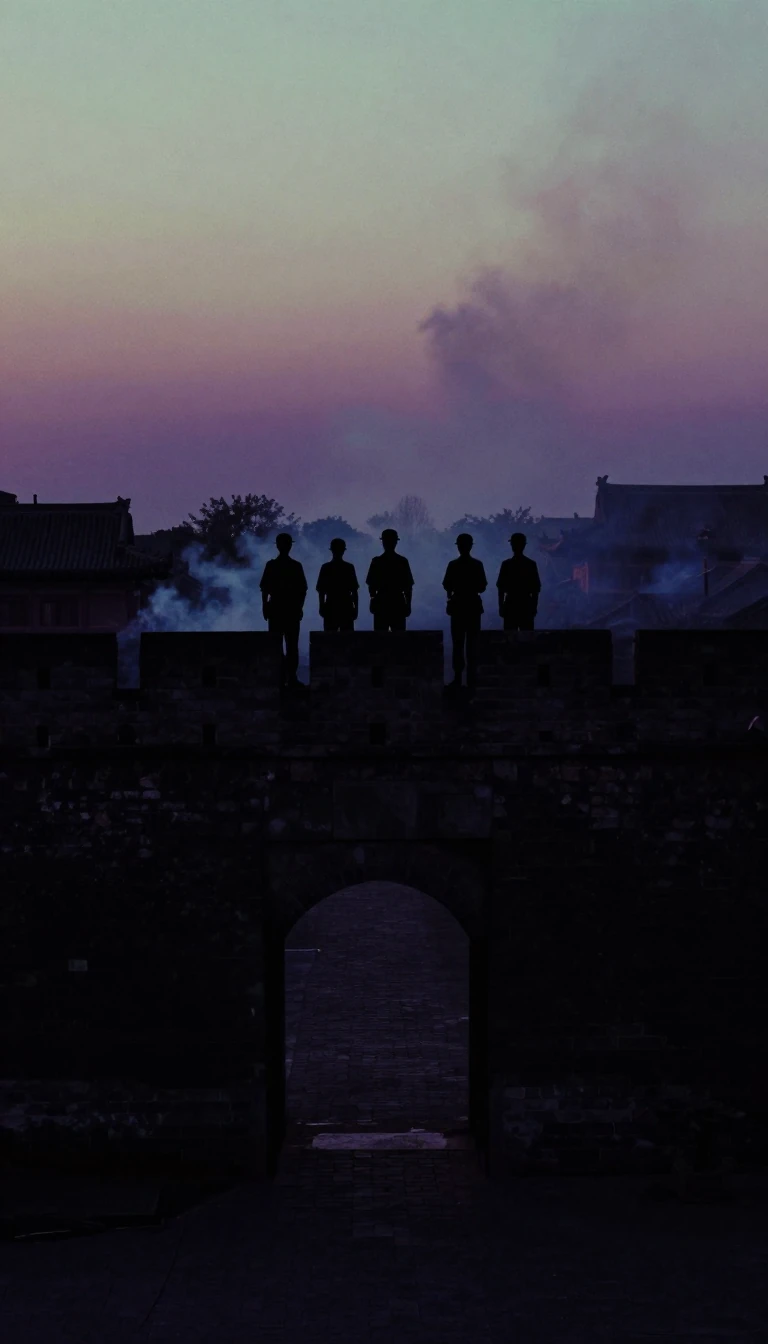
In short: Eastern Wu began as a collection of regional military fiefdoms but evolved into a sophisticated imperial state. By mastering river transport and expanding trade across the seas, this dynasty turned a once-wild southern frontier into a vital center of civilization, leaving a legacy that shaped the future of southern China.
Emerging from the chaos of the late Han dynasty, the state of Wu was built on the foundation of the Sun family's military prowess. Sun Quan, who assumed control after his brother Sun Ce’s assassination in 200, maintained a delicate balance of power. While he initially paid nominal allegiance to the Han court, he eventually declared independence in 222 and ascended as emperor in 229. His long reign, lasting until 252, provided the stability necessary to transform the Jiangnan region from a peripheral jungle into a thriving political and commercial hub.
The state’s governance was a unique blend of military authority and hereditary influence. Unlike the rigid bureaucracy of the Han, Wu’s court was often dominated by powerful families and military commanders who held independent authority. This structure was both a strength and a weakness; while it allowed for decentralized resilience, it also fostered internal rivalries. Following Sun Quan’s death, the state suffered from succession struggles and corruption, with power shifting between regents and ineffective emperors. By the time the Jin dynasty launched its final invasion, the once-formidable state had become brittle.
Beyond its borders, Eastern Wu was a pioneer in maritime engagement. Its reach extended to Vietnam, Cambodia, and potentially even Taiwan or the Ryukyu Islands. Domestically, the state fostered significant economic development, particularly in shipbuilding, metalwork, and salt production. The era also marked a linguistic turning point, as the local Jiangdong speech began to diverge from northern dialects, eventually forming the roots of the modern Wu language family. Despite its eventual collapse in 280, the state’s efforts to settle the southern reaches of the empire proved permanent, cementing the Yangtze River Delta as a cornerstone of Chinese civilization.
Opens the Intellect+ feed with this card first. Swipe up for the next one.
Sources
- Summary by Intellect · source: Eastern Wu
To cite this card, link to https://intellectplus.co.uk/app/history-eastern-wu.
How we source, check and correct cards: Editorial standards.
General information, not professional advice. Spotted an error? Flag the card or see corrections and complaints.
Intellect Plus is a visual educational discovery platform for exploring fascinating facts and ideas. Brain Food, Not Brain Rot. What is Intellect Plus?
Related
More in Post-classical · More in History · Latest · A–Z · All topics
