Erik the Red was not the first European to discover or settle Greenland.
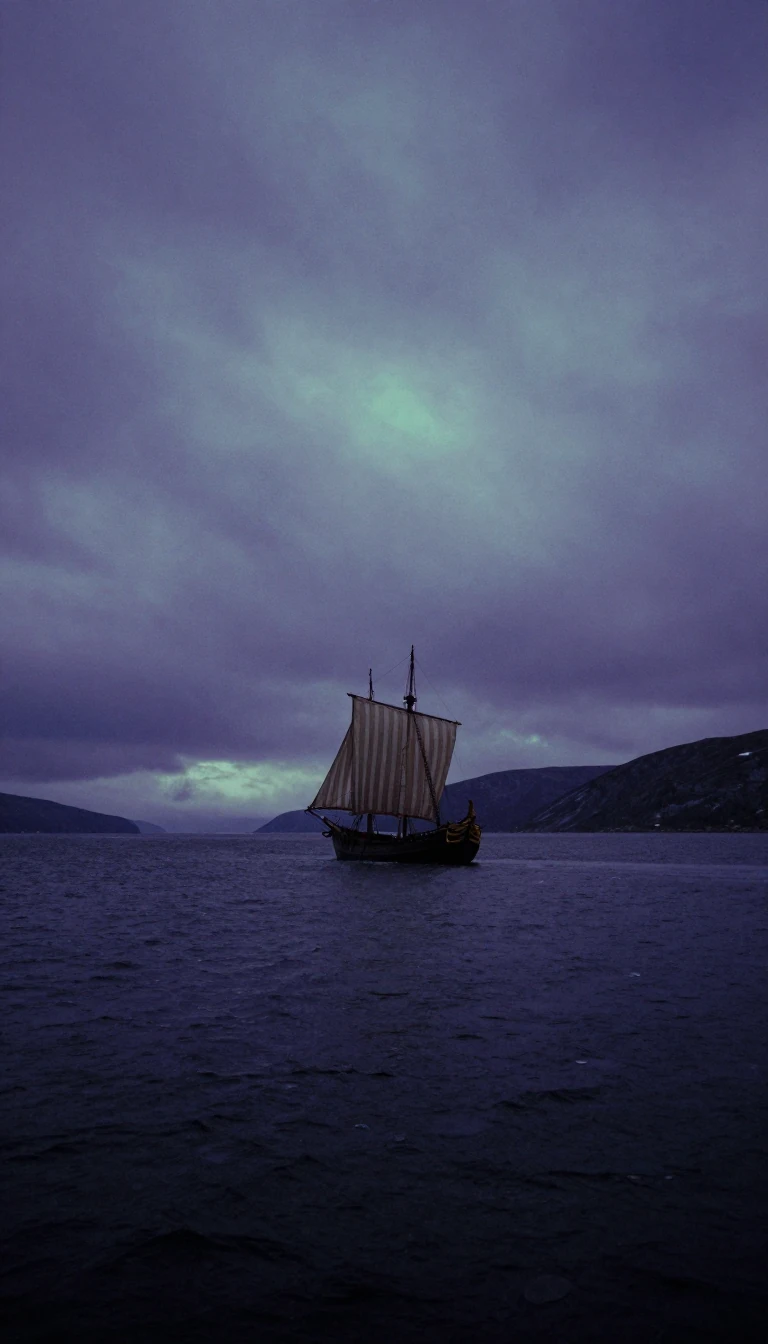
In short: While history remembers Erik the Red as the pioneer of Greenland, he was actually a master of marketing. He arrived long after others had failed to tame the harsh landscape. By rebranding the icy territory with an alluring name, he convinced hundreds of settlers to join his risky colonial venture.
Born in Norway around 950 CE, Erik Thorvaldsson was a man defined by conflict and exile. After his father, Thorvald, was banished for manslaughter, the family moved to Iceland. Erik eventually followed in his father's footsteps, finding himself outlawed from Iceland around 982 following a series of violent disputes over land and ritual objects. Seeking a new start, he sailed west to a land previously sighted by Gunnbjörn Ulfsson and unsuccessfully attempted by the outlaw Snæbjörn galti.
Erik spent his three-year exile exploring the western coast of this island. Finding ice-free regions that mirrored the agricultural potential of Iceland, he returned home with a strategic vision. He famously dubbed the territory 'Greenland' to entice potential settlers, knowing that a favorable name was essential for attracting the numbers required to sustain a colony. His salesmanship worked; in 985, he led a fleet of 25 ships toward the new land, though only 14 arrived safely.
As the paramount chieftain of Greenland, Erik established his estate at Brattahlíð. The colony eventually grew to 5,000 inhabitants across the Eastern and Western settlements, thriving on trade and hunting expeditions to Disko Bay. Despite his success, Erik remained a staunch follower of Norse paganism, even as his wife, Þjódhild, converted to Christianity and commissioned the island's first church. This religious divide reportedly caused significant friction in their marriage.
Erik’s influence waned only with his death during a winter epidemic in 1003, which arrived with a new wave of immigrants. While the colony survived for centuries, it eventually succumbed to the pressures of the Little Ice Age, Inuit migration, and a lack of support from Norway. By the 15th century, the Norse presence in Greenland had faded, leaving behind only the sagas that immortalized Erik as the architect of a short-lived but remarkable European outpost.
Opens the Intellect+ feed with this card first. Swipe up for the next one.
Sources
- Summary by Intellect · source: Erik the Red
To cite this card, link to https://intellectplus.co.uk/app/history-erik-the-red.
How we source, check and correct cards: Editorial standards.
General information, not professional advice. Spotted an error? Flag the card or see corrections and complaints.
Intellect Plus is a visual educational discovery platform for exploring fascinating facts and ideas. Brain Food, Not Brain Rot. What is Intellect Plus?
Related
More in Explorers · More in History · Latest · A–Z · All topics
