Before they were manufacturing hubs, 'factories' were fortresses of global trade
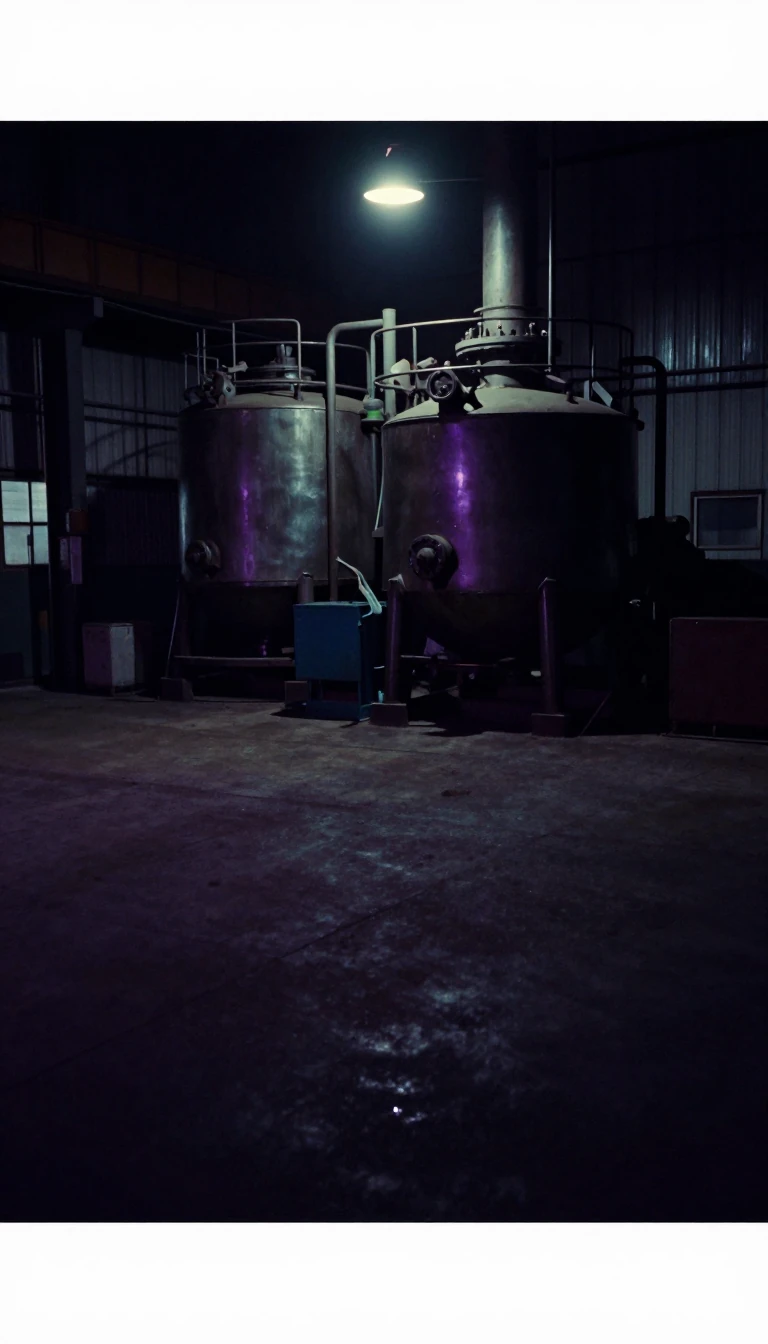
In short: The word factory doesn't always imply assembly lines. In the medieval and early modern eras, a factory was an entrepôt—a sophisticated hybrid of a warehouse, customs house, and defense post. These strategic outposts served as the primary engines for European expansion into Africa, Asia, and the Americas.
The concept of the 'factory' evolved from medieval Flanders as a way for foreign merchants to interact with local inhabitants in overseas territories. Unlike modern industrial sites, these were early forms of free-trade zones or transshipment points. They often functioned as de facto governments for local communities, providing organized insurance, protection, and legal arbitration for merchant associations. For example, Portuguese merchants in Bruges operated a factory that acted simultaneously as an embassy and a judicial body because foreigners were barred from owning land. By the 15th century, these institutions became official political dependencies of European states, serving as precursors to full-scale colonialism. The Portuguese established 'feitorias'—fortified trading posts along coastal areas—to centralize and dominate trade in gold, slaves, spices, and sugar cane. These bases were often governed by a 'factor,' an official responsible for buying products on behalf of the king and collecting taxes, typically around twenty percent.
This model allowed Portugal to build a vast empire with minimal human or territorial resources by controlling maritime routes. In North America, these factories took on a different strategic role as trading posts. The Hudson's Bay Company established York Factory in 1697, which served as the company's headquarters and de facto government for Rupert's Land before settled colonies were established. While the French favored inland posts where traders lived among Indigenous people, the British relied on coastal factories that required locals to travel to them. These sites eventually formed the nucleus for official authority in large parts of Western Canada and the United States.
The etymology of 'factory' reveals its original purpose as a place of activity. It stems from the Greek 'pandocheion,' which evolved into the Arabic 'funduq' and the Latin 'factorium,' meaning a 'place of doers' or 'makers.' This linguistic root highlights that these were not just storage sheds, but active hubs where products were checked, weighed, and packaged for long sea voyages. In the 17th century, chartered companies like the Dutch VOC and WIC scaled this system further, using larger warehouses to accommodate the massive agricultural outputs of colonies boosted by the Atlantic slave trade.
Opens the Intellect+ feed with this card first. Swipe up for the next one.
Sources
- Summary by Intellect · source: Factory (trading post)
To cite this card, link to https://intellectplus.co.uk/app/history-factory-trading-post.
How we source, check and correct cards: Editorial standards.
General information, not professional advice. Spotted an error? Flag the card or see corrections and complaints.
Intellect Plus is a visual educational discovery platform for exploring fascinating facts and ideas. Brain Food, Not Brain Rot. What is Intellect Plus?
Related
More in Empires · More in History · Latest · A–Z · All topics
