Was the Holy Roman Emperor known as the Arch-Sleepyhead actually a strategic genius?
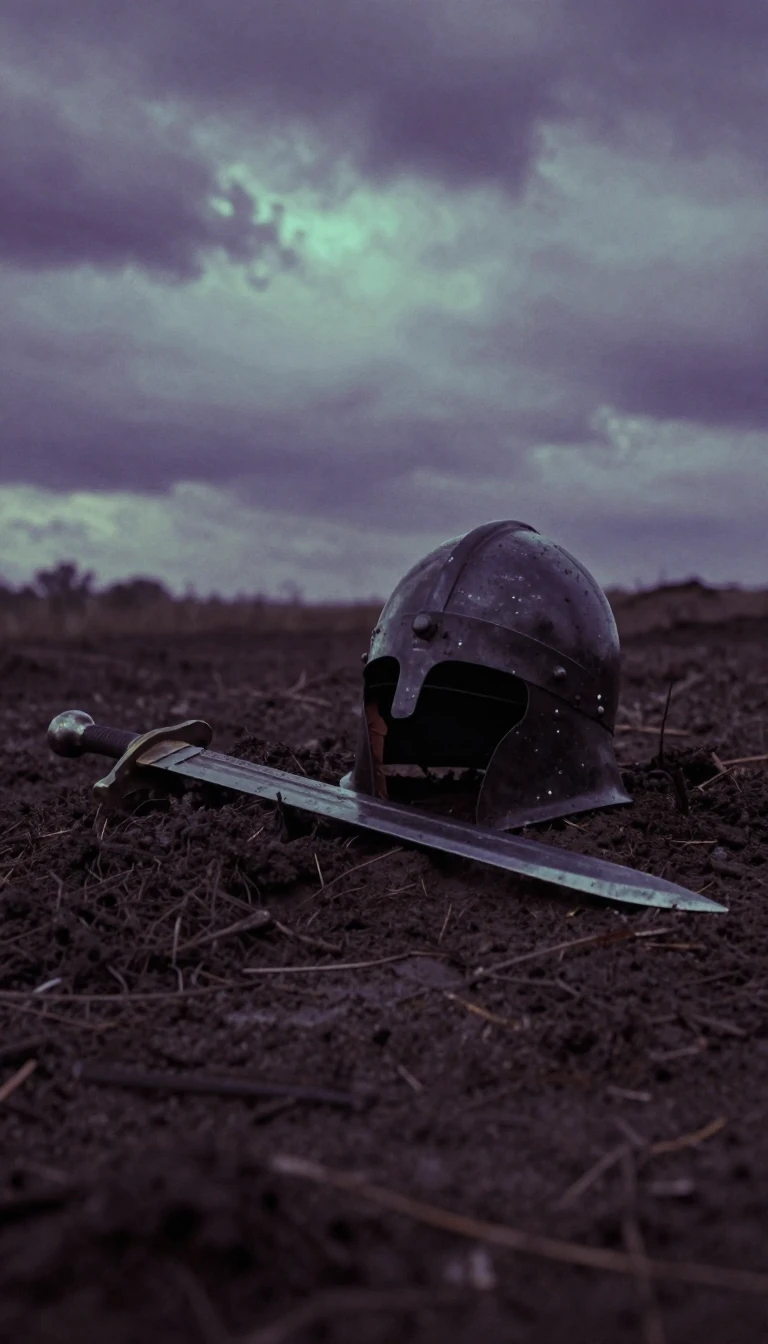
In short: Frederick III, who reigned for 41 years, was often mocked for his sluggish, indecisive style. Yet, this supposedly sleepy ruler laid the groundwork for the massive Habsburg Empire. By outliving his rivals and securing key dynastic marriages, he transformed a fractured house into a dominant European power that lasted centuries.
Frederick III, born in 1415, held the longest reign in the history of the Holy Roman Empire. While critics dubbed him the Arch-Sleepyhead for his slow decision-making and tendency to avoid direct conflict, modern historians increasingly view his approach as a calculated, effective strategy. Rather than engaging in risky military gambles, Frederick focused on patient, long-term consolidation of the Habsburg hereditary lands in Styria, Carinthia, and Carniola.
His reign was defined by an ability to outlast opponents. He faced constant pressure from his brother Albert VI and other rivals, yet he consistently prevailed by surviving them and inheriting their territories. This pattern of endurance extended to his international diplomacy. In 1452, he traveled to Rome to be crowned by the Pope, becoming the last emperor to receive the imperial crown in the city. His marriage to Eleanor of Portugal brought essential financial relief, and his later support for his son Maximilian’s marriage to the heiress of Burgundy set the stage for the dynasty's future dominance.
Frederick’s legacy is perhaps best summarized by the shift in how his family expanded. While he struggled to win on the battlefield, he mastered the art of dynastic growth, leading to the famous observation that while other nations fought wars, Austria secured its future through strategic marriages. By the time of his death in 1493, he had successfully united the Austrian lands and ensured his son’s succession, providing the stable foundation upon which Maximilian I would build a global empire.
Beyond politics, Frederick was a patron of the arts and sciences, commissioning mechanical instruments and collecting over 100 books that formed the core of the Austrian National Library. His final years were marked by a famous, well-documented leg amputation in 1493, a procedure he survived before eventually passing away at age 77. Though he was often viewed with suspicion by his contemporaries, he remains the architect of the Habsburgs' rise to prominence.
Opens the Intellect+ feed with this card first. Swipe up for the next one.
Sources
- Summary by Intellect · source: Frederick III, Holy Roman Emperor
To cite this card, link to https://intellectplus.co.uk/app/history-frederick-iii-holy-roman-emperor.
How we source, check and correct cards: Editorial standards.
General information, not professional advice. Spotted an error? Flag the card or see corrections and complaints.
Intellect Plus is a visual educational discovery platform for exploring fascinating facts and ideas. Brain Food, Not Brain Rot. What is Intellect Plus?
Related
More in Post-classical · More in History · Latest · A–Z · All topics
