A political promotion led to one of history's most infamous shipwrecks
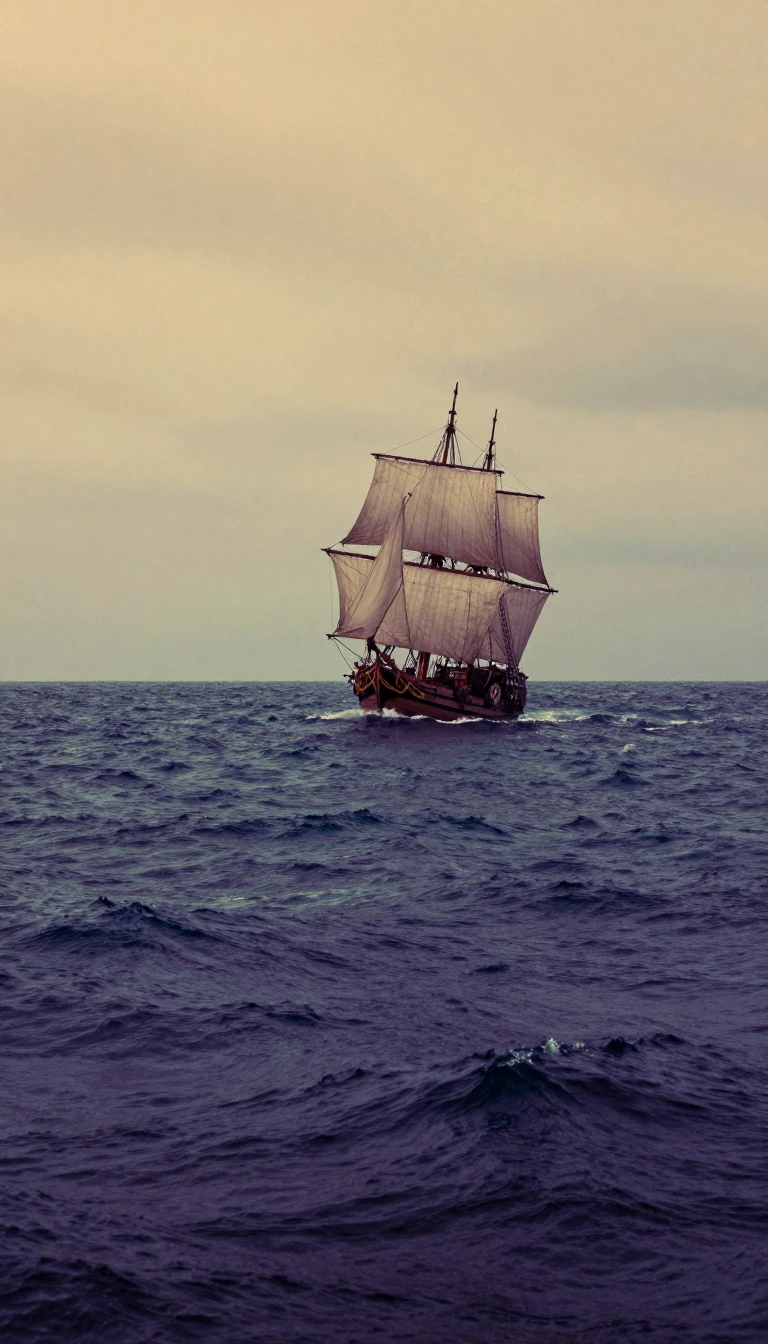
In short: In 1816, a French frigate carrying 400 people became the site of a horrific maritime disaster. The tragedy wasn't just a result of nature; it was fueled by political patronage, incompetent navigation, and a desperate struggle for survival that eventually inspired one of the world's most iconic paintings.
The disaster began with a political appointment. Following the Bourbon Restoration in 1814, Louis XVIII sought to restore nobility to the senior ranks of the French Navy. Consequently, Hugues Duroy de Chaumareys was given command of the frigate Méduse. Despite having previous experience, de Chaumareys had been effectively retired for nearly 20 years. This lack of recent sea experience proved fatal when he chose to take a dangerously direct route to Saint-Louis, Senegal, in June 1816, ignoring the advice of experienced crews who preferred sailing further out to avoid sandbars and reefs.
The situation worsened due to a series of regulatory violations and navigational errors. De Chaumareys appointed an inexperienced passenger, a philosopher named Richefort, as his navigator. Richefort mistook a cloud bank for the African coast, leading the ship to run aground on the Bank of Arguin on July 2, 1816. Because the ship was stuck in mud at spring high tide, it could not be easily refloated. Because the commander did not discard the vessel's 14 three-tonne heavy cannons, the craft became firmly stuck.
The evacuation was a logistical failure. The Méduse lacked enough lifeboats for all 400 people, leading to a plan to ferry passengers in two trips. However, a gale on July 5 forced an immediate evacuation. A makeshift raft, nicknamed "la Machine," was used to tow 146 men and one woman. The towing was impractical; the crew eventually cut the line and abandoned the raft, leaving the passengers to drift. Over thirteen days, the survivors faced starvation, mutiny, and cannibalism. Only 15 people were eventually rescued by the brig Argus on July 17.
The aftermath became a national scandal. While de Chaumareys was acquitted of many charges in a 1817 court-martial, he was found guilty of incompetent navigation. The tragedy was immortalized in a book by survivors and in Théodore Géricault's masterpiece, "The Raft of the Medusa." The incident also served as a catalyst for military reform, leading to the Gouvion de Saint-Cyr Law, which ensured future French military promotions would be based on merit rather than political connections.
Opens the Intellect+ feed with this card first. Swipe up for the next one.
Sources
- Summary by Intellect · source: French frigate Méduse (1810)
To cite this card, link to https://intellectplus.co.uk/app/history-french-frigate-m-duse-1810.
How we source, check and correct cards: Editorial standards.
General information, not professional advice. Spotted an error? Flag the card or see corrections and complaints.
Intellect Plus is a visual educational discovery platform for exploring fascinating facts and ideas. Brain Food, Not Brain Rot. What is Intellect Plus?
Related
More in Shipwrecks · More in History · Latest · A–Z · All topics
