How a colonial entrepôt became the first city in Malaysia's history
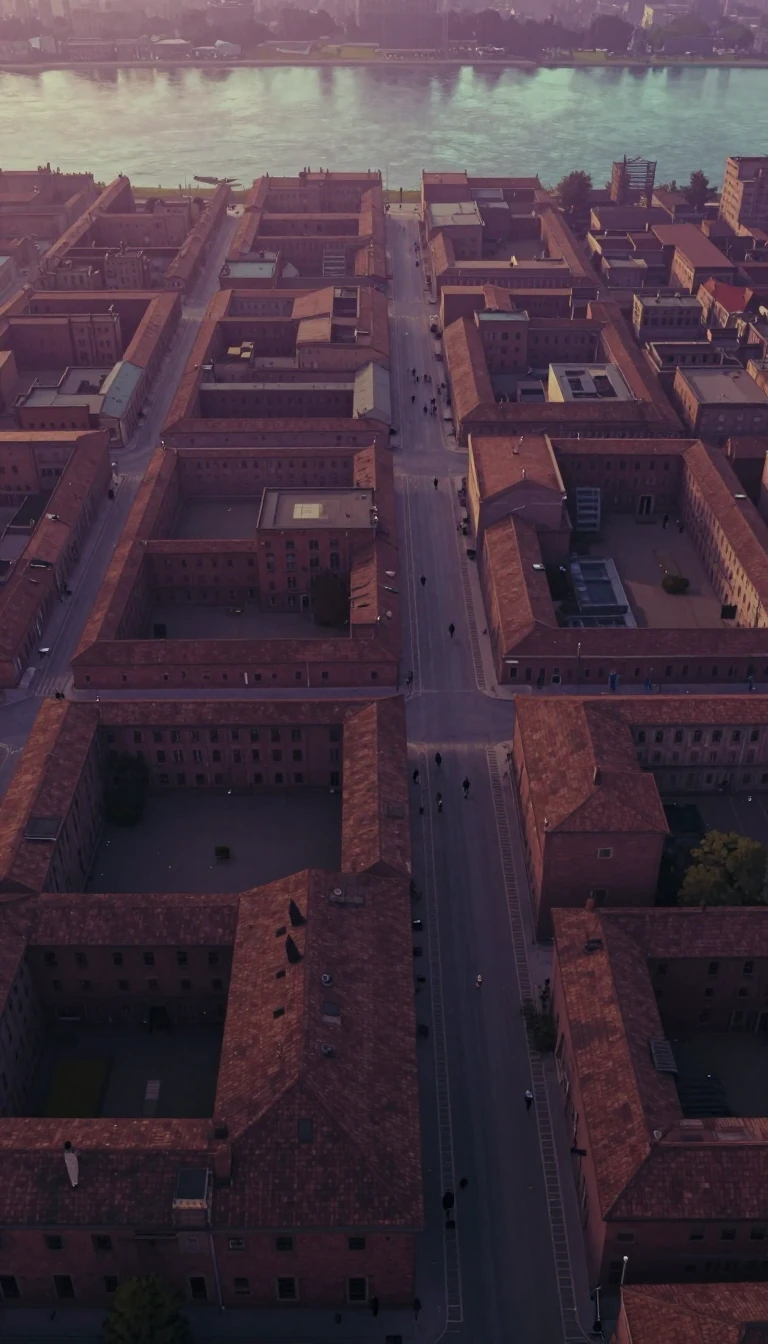
In short: Established in 1786 by Francis Light, George Town evolved from a dense jungle cape into a thriving British colonial hub. It served as the first British settlement in Southeast Asia, eventually becoming the nation's first official city. Today, it stands as a UNESCO World Heritage site defined by its unique cultural fusion.
George Town began as a strategic trade outpost on Penang Island, acquired by Francis Light for the British East India Company in 1786. Named after King George III, the settlement was carved out of jungle terrain using a grid-based urban plan that facilitated commerce and military defense. Its rapid growth as a free port attracted a diverse influx of Asian immigrants, transforming it into a cosmopolitan center. By 1826, it became the capital of the Straits Settlements, though it later ceded administrative prominence to Singapore in 1832.
The city's political evolution was equally significant. In 1957, Queen Elizabeth II granted George Town city status, marking it as the first city in the newly independent Malayan Federation. This period of prosperity was bolstered by the city's financial autonomy, which allowed for progressive infrastructure projects like public housing and dams. However, political friction with the state government led to the suspension of local elections in 1965, a move that followed the Indonesia–Malaysia confrontation and fundamentally altered the city's governance structure.
The late 20th century brought challenges, including the 1969 loss of free port status and the 2001 repeal of the Rent Control Act, which triggered urban decay and a significant brain drain. Yet, civil society activism eventually sparked a revival. The 2008 designation of its historic core as a UNESCO World Heritage Site signaled a turning point, leading to an economic rejuvenation. Today, the city’s jurisdiction encompasses the entirety of Penang Island, with ongoing reclamation projects like Silicon Island aiming to secure its future as a high-tech manufacturing hub.
Modern George Town remains a complex blend of colonial history and contemporary ambition. While it grapples with issues like land scarcity and traffic management, its governance under the Penang Island City Council continues to evolve. With a 2025 projected revenue of RM433.3 million, the city balances heritage conservation with sustainable development, ensuring that its legacy as a center of intellectual and economic activity persists in the 21st century.
Opens the Intellect+ feed with this card first. Swipe up for the next one.
Sources
- Summary by Intellect · source: George Town, Penang
To cite this card, link to https://intellectplus.co.uk/app/history-george-town-penang.
How we source, check and correct cards: Editorial standards.
General information, not professional advice. Spotted an error? Flag the card or see corrections and complaints.
Intellect Plus is a visual educational discovery platform for exploring fascinating facts and ideas. Brain Food, Not Brain Rot. What is Intellect Plus?
Related
More in History by continent and region · More in History · Latest · A–Z · All topics
