How a small trading outpost became the Lion City of the modern world
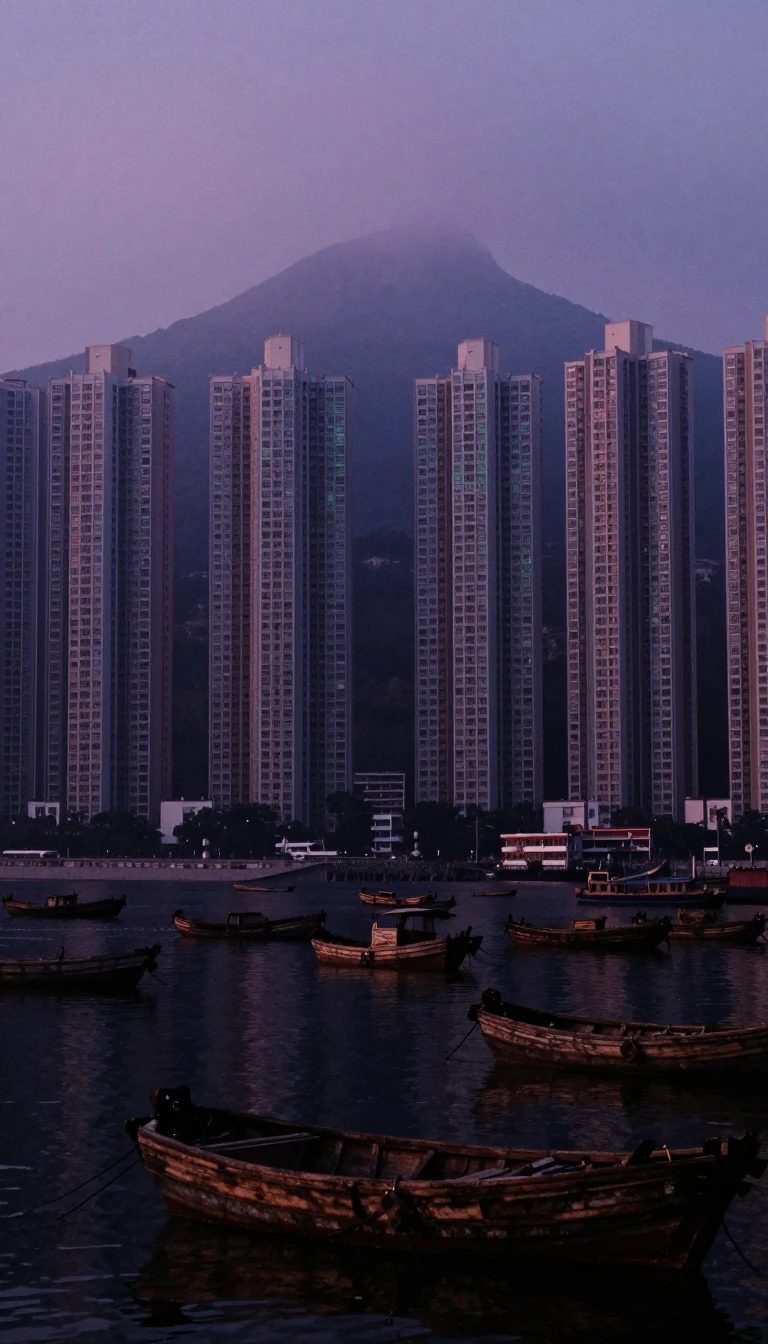
In short: Singapore was once a quiet island settlement, caught between empires and pirates. From its 14th-century origins as a trading hub to its transformation into a British Crown Colony and finally an independent republic, Singapore’s rise is a story of strategic geography, free-market ambition, and rapid, often chaotic, demographic shifts.
The origins of Singapore are shrouded in both legend and archaeological reality. While the 13th-century Malay Annals tell of a prince named Sri Tri Buana who founded 'Singapura'—meaning 'Lion City' in Sanskrit—after spotting a mysterious beast, historical records from the 14th century confirm the island was a significant settlement. Chinese traveller Wang Dayuan noted two distinct communities, including one at Long Ya Men, likely Keppel Harbour, where natives and Chinese residents coexisted. By the 14th century, the island was a pawn in the power struggle between the Siamese and the Majapahit Empire, eventually falling under the influence of the Malacca and later the Johor Sultanates.
The modern era began in 1819, when Sir Stamford Raffles, seeking a strategic British base to counter Dutch trade dominance, negotiated a treaty with Sultan Hussein. Raffles envisioned a free port at the crossroads of the India-China trade route. The island’s population surged from about 1,000 in 1819 to nearly 100,000 by 1871, driven by waves of Chinese, Indian, and Malay migrants. This rapid expansion brought immense wealth but also severe social disorder. By the mid-19th century, the city was plagued by lawlessness, secret societies, and poor public health, leading to the establishment of the Straits Settlements as a separate Crown Colony in 1867 to improve administration.
The 20th century brought the devastation of World War II and the Japanese occupation from 1942 to 1945. Following the war, Singapore briefly merged with the Federation of Malaya in 1963, but political and social friction led to its expulsion. On 9 August 1965, Singapore emerged as an independent republic. Through the late 20th century, the nation leveraged its nodal position and free-market policies to build a highly developed economy. Today, it stands as a global leader, boasting one of the highest per capita GDPs in the world and a top-tier ranking on the UN Human Development Index.
Opens the Intellect+ feed with this card first. Swipe up for the next one.
Sources
- Summary by Intellect · source: History of Singapore
To cite this card, link to https://intellectplus.co.uk/app/history-history-of-singapore.
How we source, check and correct cards: Editorial standards.
General information, not professional advice. Spotted an error? Flag the card or see corrections and complaints.
Intellect Plus is a visual educational discovery platform for exploring fascinating facts and ideas. Brain Food, Not Brain Rot. What is Intellect Plus?
Related
More in History by continent and region · More in History · Latest · A–Z · All topics
