The city where Napoleon sent a letter to start a war
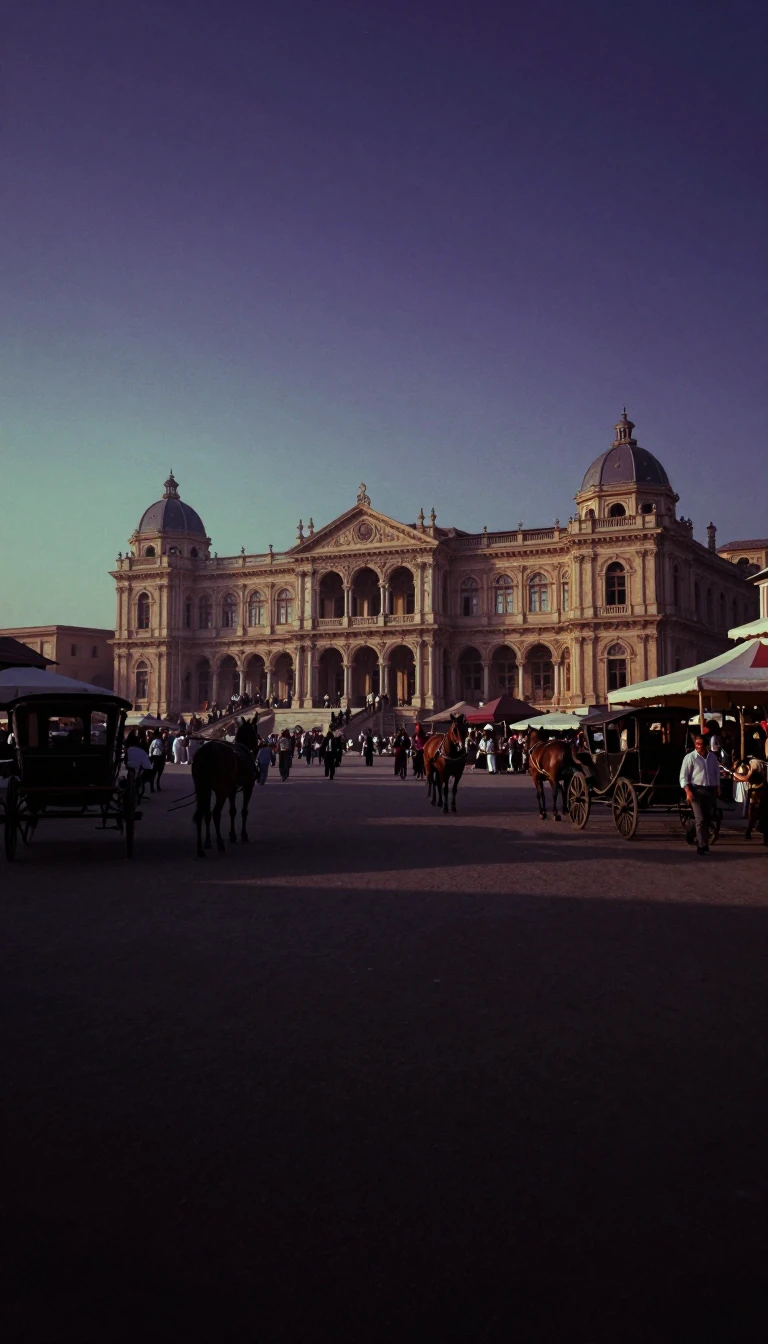
In short: In 1806, from the small town of Gera, Napoleon Bonaparte issued an arrogant letter that enticed Prussia into a crushing military defeat. Today, this historic seat of the Reuss dynasty serves as a profound study in how industrial booms and political shifts can reshape a city's destiny.
Gera’s historical importance was cemented by its role as a residence for the Ducal House of Reuss. In 1673, the Reussians were elevated to Imperial Counts, granting them full sovereignty within the Holy Roman Empire and establishing Gera as their royal residence. The city's architectural character was significantly shaped in the 1780s when it was rebuilt in a uniform late-Baroque style following devastating fires in 1673 and 1780.
The city’s economic backbone was forged through textiles. While early cloth-makers arrived as religious refugees from the Spanish Netherlands in the 16th century, the industrial revolution triggered a massive demographic boom. The first power loom was installed in 1836, and by the end of the period between 1870 and 1930—Gera's economic heyday—the population had surged to 83,000. This era also saw Gera become a transport hub with railway connections expanding in all directions.
The 20th century brought volatile transitions. After the German Revolution of 1918–19, Gera became part of Thuringia in 1920. It later served as an administrative capital in the GDR until 1990. However, German reunification triggered a sharp economic crisis; the loss of industrial core and administrative functions caused the population to plummet from 135,000 in 1990 to under 100,000 by 2000. Today, while urban planning programs like the 2007 Bundesgartenschau have stimulated the economy, the city faces a birth deficit and high vacancy rates of around 12%.
Despite these challenges, Gera remains a site of cultural significance, notably as the birthplace of painter Otto Dix in 1891. It sits in a unique topographical basin that creates a distinct microclimate, where winter nights can drop below -20 °C (-4 °F).
Opens the Intellect+ feed with this card first. Swipe up for the next one.
Sources
- Summary by Intellect · source: Gera
To cite this card, link to https://intellectplus.co.uk/app/history-gera.
How we source, check and correct cards: Editorial standards.
General information, not professional advice. Spotted an error? Flag the card or see corrections and complaints.
Intellect Plus is a visual educational discovery platform for exploring fascinating facts and ideas. Brain Food, Not Brain Rot. What is Intellect Plus?
Related
More in History by country, small region and city · More in History · Latest · A–Z · All topics
