Why this quiet French town was once the world's capital of fine tapestries
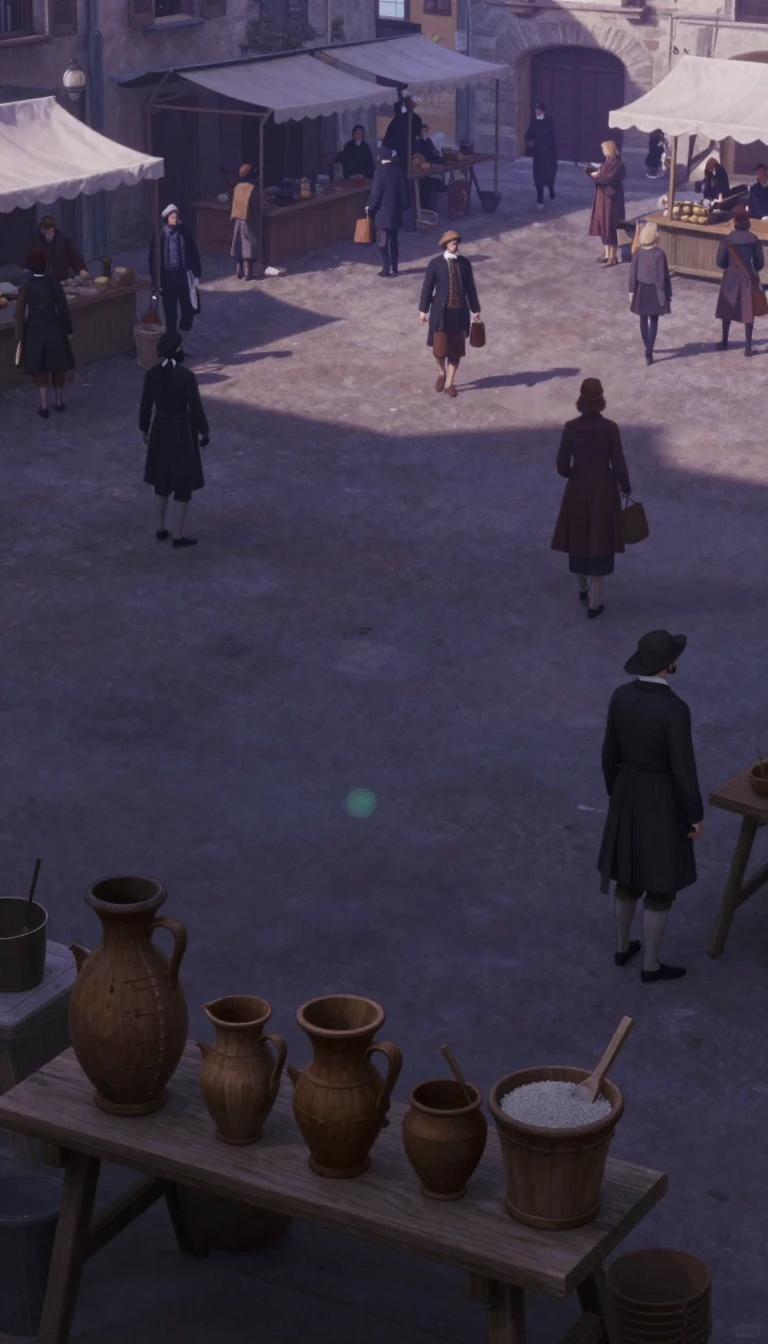
In short: Arras is a city defined by its resilience and its history as a major European crossroads. From its origins as a Belgic settlement to its role as a vital hub for medieval banking and textile production, Arras has survived centuries of sieges, occupations, and total destruction to remain a cultural landmark.
The history of Arras is a cycle of destruction and rebirth. Originally settled by the Atrebates tribe, the town became a Roman garrison before being repeatedly contested by shifting powers. Throughout the Middle Ages, control of the region fluctuated between the French crown, the County of Flanders, and the Duchy of Burgundy. By the 14th century, the city had achieved international renown for its wool industry and exquisite tapestries, so much so that the name Arras became synonymous with high-quality wall hangings in both Italian and English.
The city's strategic importance often made it a target. During the Hundred Years' War, the 1435 Congress of Arras attempted to broker peace, and later, the town endured the harsh rule of Louis XI, who razed its walls and replaced its population to ensure loyalty. By the 16th century, it fell under Spanish Habsburg control, only to be captured by France in 1640 and formally ceded in 1659. Its turbulent nature continued into the modern era, particularly during the First World War, when it sat near the front lines and suffered catastrophic damage.
Today, the city serves as a testament to reconstruction. Following the devastation of World War I, where three-quarters of the town required rebuilding, Arras successfully restored its architectural heritage. Visitors now explore a landscape shaped by this layered past, from the medieval tunnels expanded by New Zealand engineers in 1917 to the 17th-century Vauban Citadel. Whether through its ancient Roman roots or its role as a center for the French Revolution, Arras remains a resilient anchor in the Hauts-de-France region.
Opens the Intellect+ feed with this card first. Swipe up for the next one.
Sources
- Summary by Intellect · source: Arras
To cite this card, link to https://intellectplus.co.uk/app/wars-arras.
How we source, check and correct cards: Editorial standards.
General information, not professional advice. Spotted an error? Flag the card or see corrections and complaints.
Intellect Plus is a visual educational discovery platform for exploring fascinating facts and ideas. Brain Food, Not Brain Rot. What is Intellect Plus?
Related
More in Medieval wars · More in Wars & Conflicts · Latest · A–Z · All topics
