Tiny Greek cities stopped the world's largest empire for fifty years
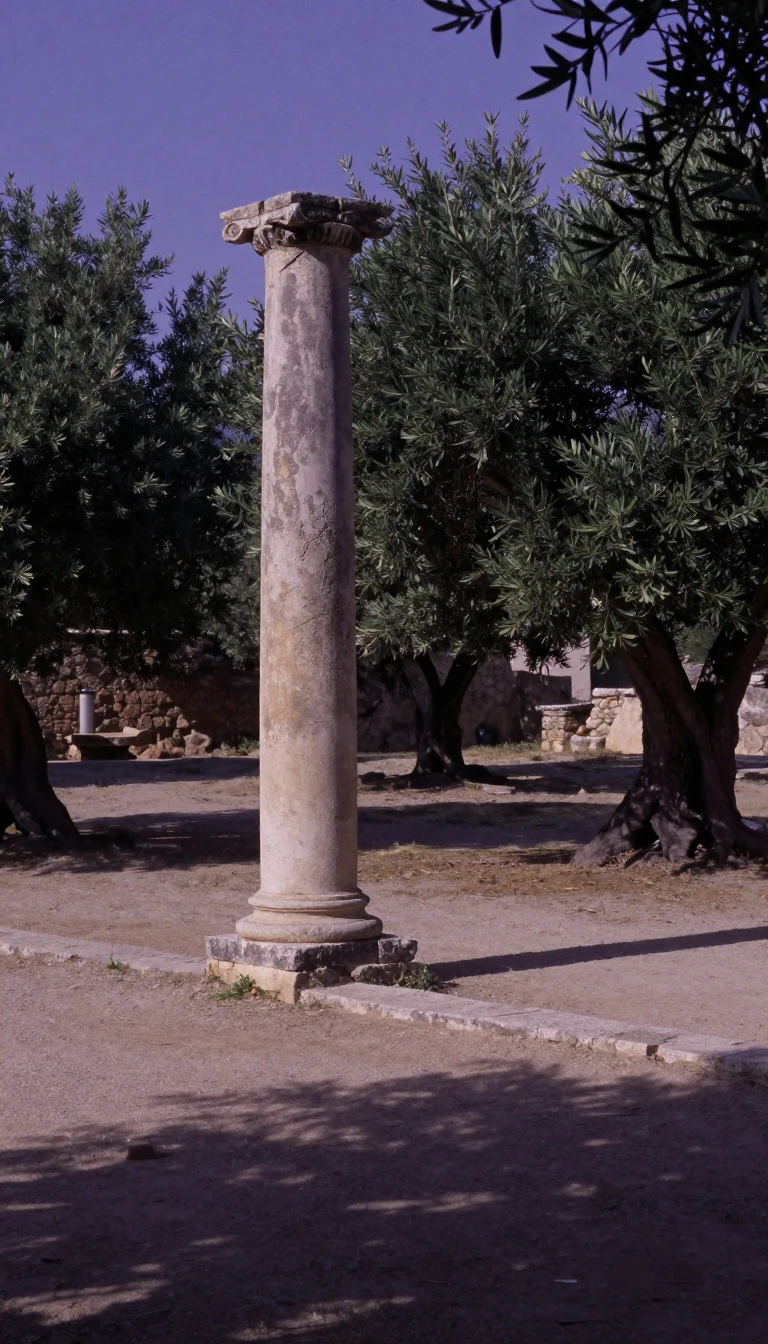
In short: From 499 to 449 BC Greek city-states fought the Achaemenid Empire after Persia conquered Ionia. Marathon in 490 BC, Thermopylae and Salamis in 480 BC, and Plataea in 479 BC turned invasion into stalemate. Herodotus wrote the story—but only from the Greek side.
Cyrus the Great took Greek Ionia in 547 BC. When tyrant Aristagoras of Miletus failed to conquer Naxos in 499 BC, he incited the Ionian Revolt, drawing Athens and Eretria to burn Sardis in 498 BC. Darius crushed the rebellion at the Battle of Lade in 494 BC and vowed revenge. Mardonius re-subjugated Thrace and Macedon in 492 BC; Datis destroyed Eretria before Marathon stopped the advance on Athens.
Xerxes led a massive second invasion in 480 BC. Thermopylae opened Greece; Athens was evacuated and burned. Salamis wrecked the Persian fleet, and Plataea in 479 BC routed the army on land. Mycale destroyed the remaining fleet; by 478 BC Persian garrisons withdrew from Sestos and Byzantium. The Delian League then spent decades pushing Persia from Asia Minor and Cyprus.
Every surviving primary account is Greek. Herodotus, born around 484 BC in Persian-held Halicarnassus, invented history as a verifiable discipline around 440–430 BC. Thucydides continued where he left off; archaeology has largely confirmed Herodotus despite disputed troop numbers. Persian arrowheads found at Thermopylae in 1939 support the battle site. The Serpent Column, first set up at Delphi to honour Plataea, still stands in Istanbul. Plutarch, writing six centuries on, mocked Herodotus as a barbarian-lover, a jibe that hints the Father of History was fairly even-handed. The later fighting faded rather than ended: the League won a double victory at the Eurymedon in 466 BC, suffered a disastrous Egyptian defeat backing the rebel pharaoh Inaros II, and sent a fleet to Cyprus in 451 BC that achieved little. Whether a formal Peace of Callias followed is still argued.
Opens the Intellect+ feed with this card first. Swipe up for the next one.
Sources
- Summary by Intellect · source: Greco-Persian Wars
To cite this card, link to https://intellectplus.co.uk/app/history-greco-persian-wars.
How we source, check and correct cards: Editorial standards.
General information, not professional advice. Spotted an error? Flag the card or see corrections and complaints.
Intellect Plus is a visual educational discovery platform for exploring fascinating facts and ideas. Brain Food, Not Brain Rot. What is Intellect Plus?
Related
More in Ancient · More in History · Latest · A–Z · All topics
