The Greek underworld was not a hell for all souls
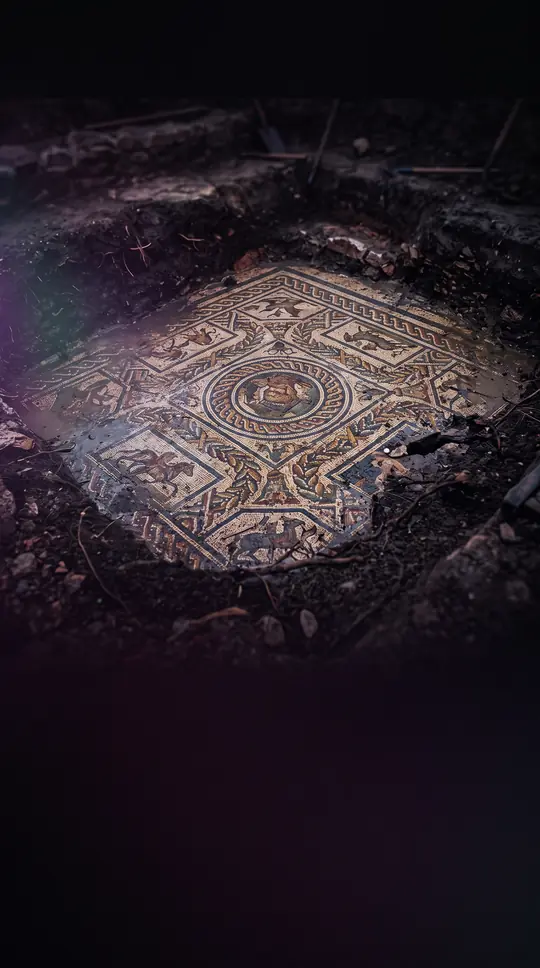
In short: Ancient Greeks didn't view death as an automatic descent into eternal torment. Instead, their afterlife was a complex geography of rivers and meadows where the fate of your soul depended on everything from your lineage to your moral choices.
In early Greek mythology, such as in Homer’s Iliad and Odyssey, the dead were largely grouped together in a shadowy existence. However, this evolved into a sophisticated system of judgment. By the time of Platonic philosophy, the underworld was partitioned: good people were separated from bad ones both spatially and by treatment. This transition reflects a shift from viewing death as an indiscriminate end to seeing it as a moral destination.
The topography of Hades is defined by its rivers, each representing a different facet of the human experience. The Styx served as the 'inviolable waters' for divine oaths, while the Acheron was known as the river of misery. Other streams included the Cocytus (wailing), Phlegethon (blazing fire), and Lethe (forgetfulness). These were not just landmarks; they often mirrored physical locations in Greece, such as rivers in Arcadia or Cumae, linking the mythic realm to the tangible world.
The destination of a soul varied significantly. Most deceased resided in the Asphodel Meadows—a neutral field whose name might refer to a flower or a field of ash. In contrast, 'Elysium' served as a utopian paradise for distinguished individuals. While early accounts suggest entry into Elysium was based on status (like being Zeus’s son-in-law), later traditions became more democratic, rewarding the 'generally righteous' after judgment by figures like Minos and Rhadamanthus.
Crucially, Hades himself was not a devilish torturer. He was often depicted as a stern, dignified host—the 'Zeus of the dead.' While he was hated by many for his domain over death, he was not the one who inflicted punishment; that role was reserved for other gods seeking vengeance. For some, like the god Pluton, Hades was even viewed positively as a provider of wealth and harvest from beneath the earth.
Opens the Intellect+ feed with this card first. Swipe up for the next one.
Sources
- Summary by Intellect · source: Greek underworld
To cite this card, link to https://intellectplus.co.uk/app/history-greek-underworld.
How we source, check and correct cards: Editorial standards.
General information, not professional advice. Spotted an error? Flag the card or see corrections and complaints.
Intellect Plus is a visual educational discovery platform for exploring fascinating facts and ideas. Brain Food, Not Brain Rot. What is Intellect Plus?
Related
More in Empires & civilisations · More in History · Latest · A–Z · All topics
