Why ancient Greeks feared a river that promised to wash away their entire past
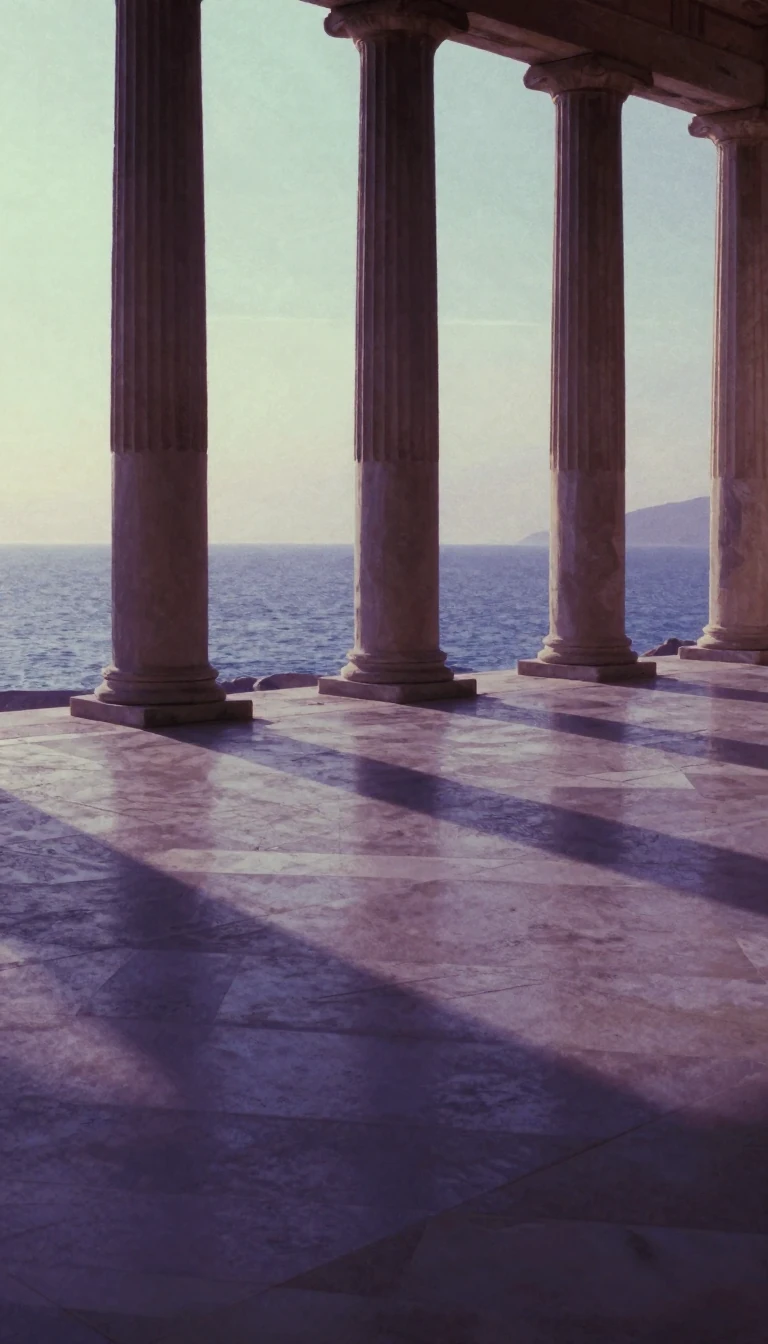
In short: In the depths of the underworld, a silent stream offered the dead a final, total erasure of their existence. Known as the Lethe, its waters were said to strip away every memory of a life once lived, a necessary step for souls preparing to be reborn into the world again.
The Lethe was a central feature of the Greek underworld, often described as a river of oblivion or unmindfulness. It was one of five subterranean rivers, alongside those representing sorrow, lamentation, fire, and the boundary between Earth and Hades. Mythological accounts suggest that souls were compelled to drink from its waters before reincarnation, effectively wiping their consciousness clean of past experiences. This process was not merely a passive event; the river was personified as the daughter of Eris, the goddess of strife, reflecting the inherent tension between holding onto one's history and the necessity of beginning anew.
However, this erasure was not universally accepted as the final word. Certain mystery traditions, such as Orphism, taught that the dead could choose their fate. Initiates were instructed to avoid the Lethe and instead seek the waters of Mnemosyne, the pool of memory, which promised total recall and even omniscience. This choice was a recurring theme in ancient inscriptions found on gold plates across the Greek world, dating back to the 4th century BC. These artifacts suggest that for many, the struggle between oblivion and remembrance was a practical concern, even influencing rituals at oracular shrines like that of Trophonius in Boeotia.
The concept of the Lethe transcended its mythological origins, shaping literature and philosophy for millennia. From Virgil and Ovid to Dante’s Purgatorio and Shakespeare’s Hamlet, the river served as a potent symbol of forgetfulness and the shedding of past burdens. In the 20th century, Martin Heidegger repurposed the term to critique modern philosophy, using it to describe the concealment of Being. Whether viewed as a literal destination for the dead or a metaphor for the human condition, the Lethe remains a profound exploration of what it means to remember, to forget, and to move forward.
Opens the Intellect+ feed with this card first. Swipe up for the next one.
Sources
- Summary by Intellect · source: Lethe
- Also: Lethe | River of Forgetfulness, Underworld River, Mythical River | Britannica
To cite this card, link to https://intellectplus.co.uk/app/ideas-lethe.
How we source, check and correct cards: Editorial standards.
General information, not professional advice. Spotted an error? Flag the card or see corrections and complaints.
Intellect Plus is a visual educational discovery platform for exploring fascinating facts and ideas. Brain Food, Not Brain Rot. What is Intellect Plus?
Related
More in Greek mythology · More in Ideas & Philosophy · Latest · A–Z · All topics
