The Green Bay Packers are the only major professional sports franchise owned by fans.
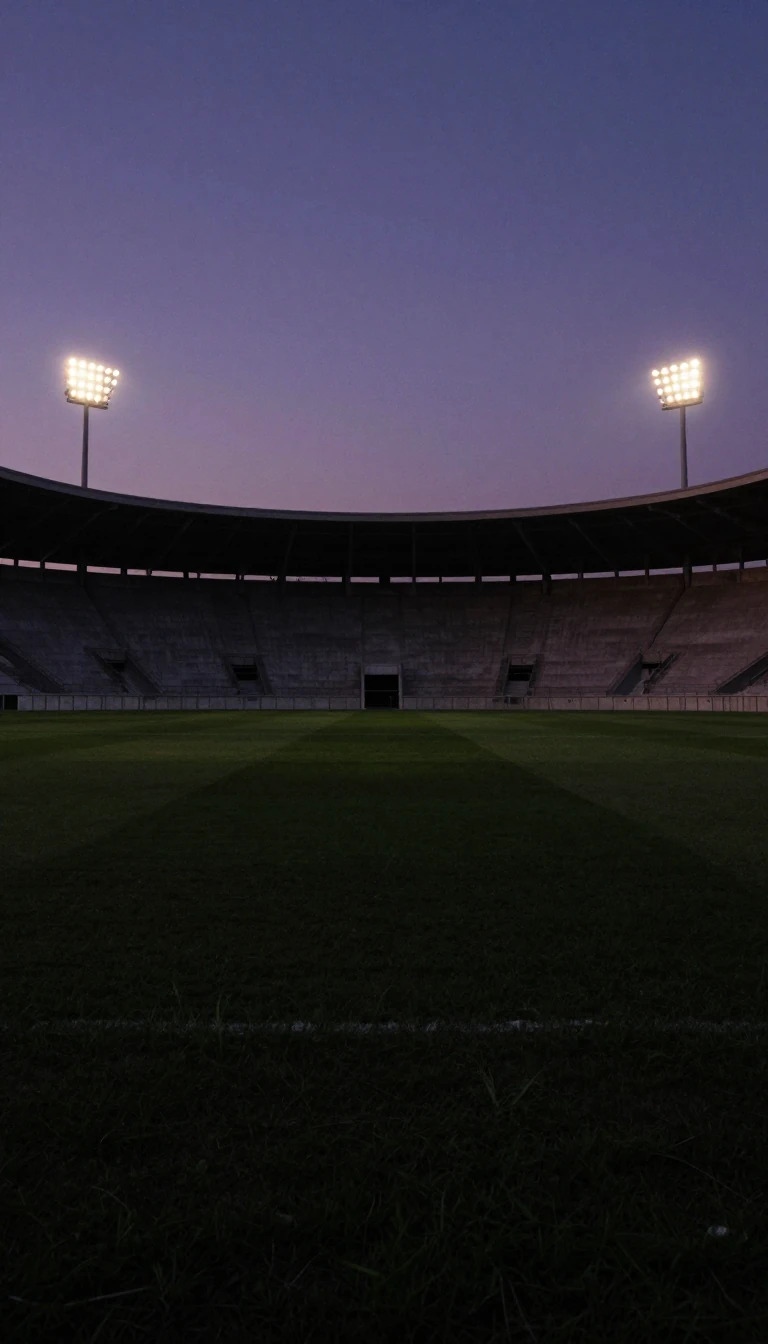
In short: In the NFL, billionaire owners are the norm. Yet, the Green Bay Packers operate as a publicly held, non-profit corporation with over 500,000 shareholders. This unique structure, grandfathered into league rules, has kept the team in its small-market home for over a century while providing unprecedented financial transparency.
Established in 1923, the Green Bay Football Corporation was a response to financial instability. To prevent the team from leaving Wisconsin, organizers included a clause in the original articles of incorporation: if the franchise were ever sold, all proceeds would be donated to the local American Legion post for a soldier's memorial. This effectively removed the financial incentive for private sale, cementing the team's local roots. Today, the organization is governed by a board and an executive committee, with a president who handles duties typically reserved for a traditional owner.
While fans can purchase stock, these shares are far from typical. They do not pay dividends, cannot be traded, offer no equity interest, and grant no special access to tickets or facilities. Shareholders are essentially buying a sense of fandom and the right to vote for board members. To ensure no single entity gains control, no individual is permitted to own more than 200,000 shares. These rules are so restrictive that the team cannot even utilize the private equity investment options recently opened to other NFL franchises.
The model serves as a rare window into the economics of professional football. Because the Packers are a public corporation, they release an annual financial report, offering a glimpse into the league's broader health. In fiscal year 2026, the team reported $753 million in total revenue, helping analysts estimate that the NFL generated at least $14.5 billion that year. Beyond the gridiron, the organization maintains the Green Bay Packers Foundation, a charitable arm established in 1986 by former president Robert J. Parins, which has distributed nearly $32 million to local causes.
Critics often dismiss the stock sales as a clever way to fund capital improvements at Lambeau Field without relying on public financing, rather than a true ownership stake. Yet, for the community, the structure remains a point of pride. It is a relic of a different era of sports, protected by a grandfather clause from the 1980s that prohibits such non-profit, broad-based ownership models in the modern NFL.
Opens the Intellect+ feed with this card first. Swipe up for the next one.
Sources
- Summary by Intellect · source: Green Bay Packers, Inc.
To cite this card, link to https://intellectplus.co.uk/app/history-green-bay-packers-inc.
How we source, check and correct cards: Editorial standards.
General information, not professional advice. Spotted an error? Flag the card or see corrections and complaints.
Intellect Plus is a visual educational discovery platform for exploring fascinating facts and ideas. Brain Food, Not Brain Rot. What is Intellect Plus?
Related
More in Born on this day · More in History · Latest · A–Z · All topics
