Once a quiet river outpost, Bangkok transformed into a sprawling, modern metropolitan powerhouse.
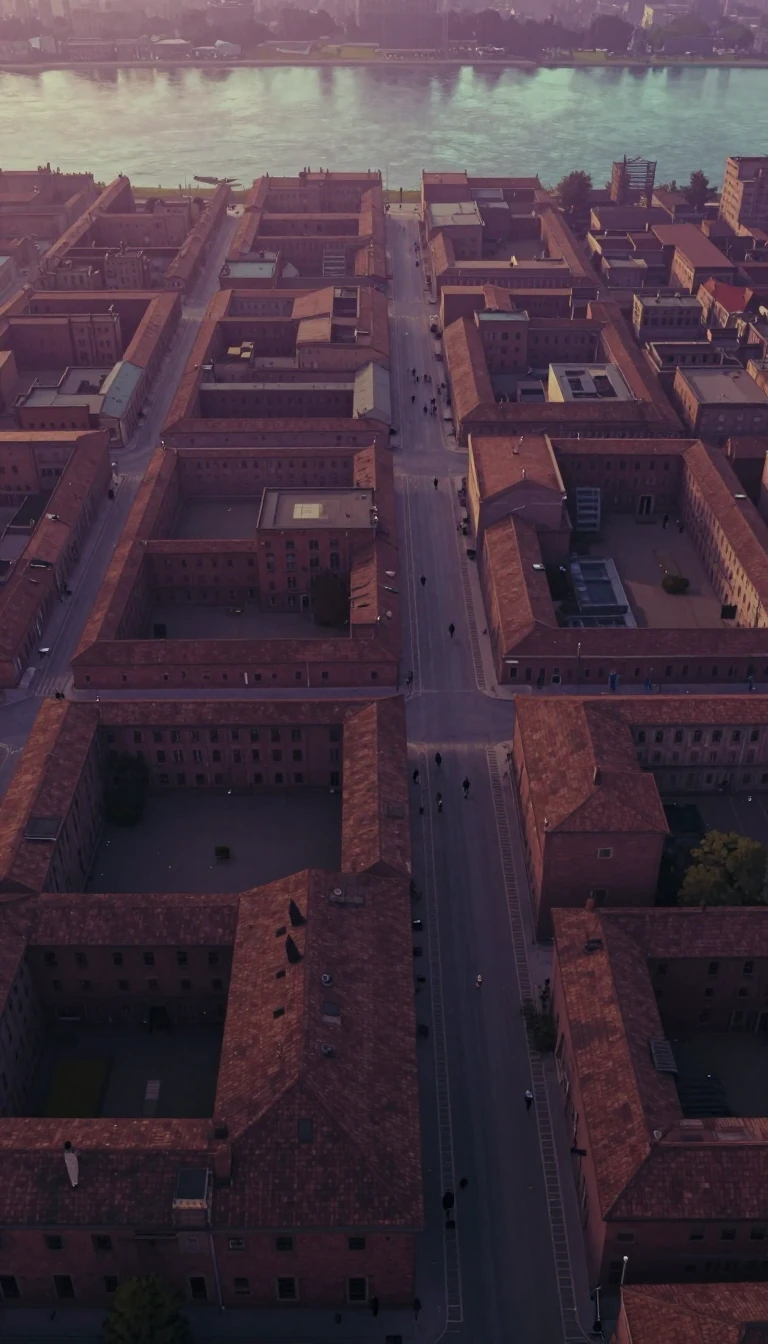
In short: Bangkok began as a strategic customs point on the Chao Phraya River, eventually evolving from a canal-based settlement into Thailand's primary commercial and cultural hub. While modern infrastructure like the Skytrain now defines the city, its rapid expansion has created a complex legacy of urban congestion and environmental challenges.
The origins of Bangkok are deeply tied to the Chao Phraya River, which served as the city's primary artery for trade and transportation. Historically, the city functioned as a vital customs outpost for the Ayutthaya kingdom, where ships were required to declare goods and pay duties before proceeding upriver. This strategic location made it a focal point for maritime commerce, eventually leading to the establishment of a formal capital on the river's banks in 1782.
As the city grew into a cosmopolitan center, its reliance on water travel earned it the moniker Venice of the East. However, the 20th-century arrival of the automobile necessitated a shift in urban planning. To accommodate increasing traffic, many canals were filled in to create roads. This decision had unintended consequences; the waterway system had previously served as a natural drainage network for the waterlogged delta, and its removal contributed to more frequent flooding in lower-lying areas.
Today, Bangkok serves as the heart of Thailand's economy, producing roughly one-third of the nation's total output. The city houses the majority of the country's banking units and acts as a regional hub for international organizations, including various United Nations agencies. Despite these advancements, the city faces ongoing pressures from rapid urbanization, including subsidence caused by deep-well water pumping and the strain on public services like education and healthcare.
Cultural life remains anchored by the city's more than 300 wats, which serve as architectural landmarks and centers of learning. While the city has modernized, it retains a unique demographic character, with a high proportion of young residents and a significant Chinese minority that has historically integrated deeply into the social fabric. This blend of traditional heritage and modern industrial growth continues to define Bangkok's identity as it navigates the complexities of a 21st-century capital.
Opens the Intellect+ feed with this card first. Swipe up for the next one.
Sources
- Summary by Intellect · source: Bangkok | Location, History, Population, Map, & Facts | Britannica
- Also: History of Bangkok
To cite this card, link to https://intellectplus.co.uk/app/history-history-of-bangkok.
How we source, check and correct cards: Editorial standards.
General information, not professional advice. Spotted an error? Flag the card or see corrections and complaints.
Intellect Plus is a visual educational discovery platform for exploring fascinating facts and ideas. Brain Food, Not Brain Rot. What is Intellect Plus?
Related
More in History by country, small region and city · More in History · Latest · A–Z · All topics
