From Ancient Trade Hub to Italian Colony: The Complex History of Eritrea
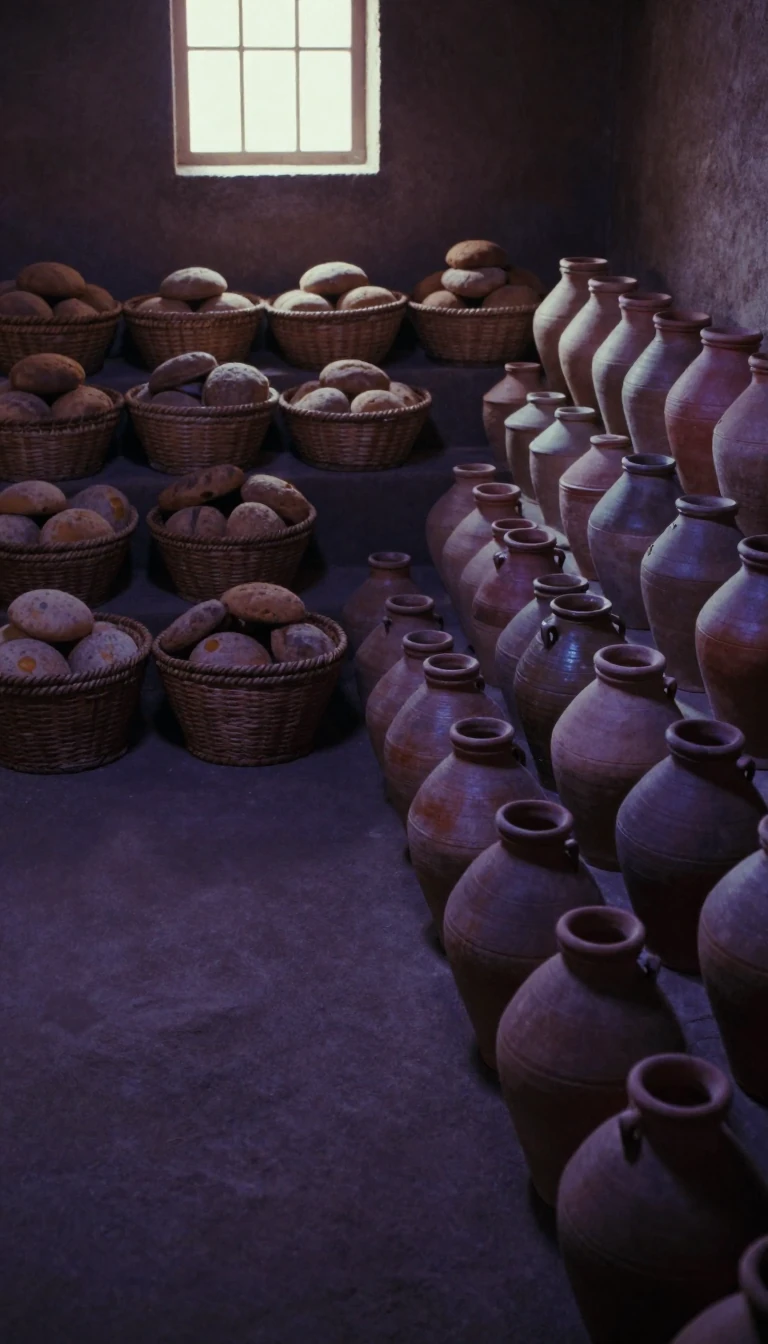
In short: Located on the Red Sea, Eritrea has served as a vital crossroads for civilizations since prehistoric times. From the rise of the Aksumite Empire to the arrival of Italian colonial forces in the 19th century, its history is a layered narrative of trade, regional power struggles, and eventual independence.
Eritrea’s strategic position on the Red Sea has long defined its history. By 100 CE, the Kingdom of Aksum emerged as a dominant regional power, controlling the northern Ethiopian Plateau and eastern lowlands. This empire relied on the port of Adulis, near modern Zula, to facilitate trade that reached as far as Egypt and Yemen. Following Aksum’s decline in the 6th century, the region saw shifting control under various dynasties, with the central highlands, or mereb melash, serving as a northern frontier for Ethiopian kingdoms.
The 19th century brought significant geopolitical shifts. While pastoralist groups in the west and north remained largely autonomous, the coast became a focal point for international rivalry, especially after the 1869 opening of the Suez Canal. The Italian Rubattino Navigation Company began purchasing coastal territory near Asseb in 1869, and by 1885, Italian troops had landed at Massawa. Despite initial resistance from Emperor Yohannes IV, his successor Menilek II eventually acquiesced to Italian presence in exchange for weapons, leading to the official proclamation of the Italian colony of Eritrea on January 1, 1890.
Italian rule transformed the colony’s landscape, fostering an urban sector that had not existed in the precolonial highlands. Asmara was developed into a Mediterranean-style city, and infrastructure projects like road and rail networks were established. However, this development was heavily subsidized and lacked long-term economic sustainability, as the colony produced little wealth. Education for Eritreans was restricted to primary levels, and local employment was largely limited to labor and military service. This colonial era concluded in 1941 when British forces evicted Italy from the Horn of Africa during World War II, setting the stage for the complex political transitions that would eventually lead to Eritrea's independence in 1993.
Opens the Intellect+ feed with this card first. Swipe up for the next one.
Sources
- Summary by Intellect · source: History of Eritrea | Events, People, Dates, Map, & Facts | Britannica
- Also: History of Eritrea
To cite this card, link to https://intellectplus.co.uk/app/history-history-of-eritrea.
How we source, check and correct cards: Editorial standards.
General information, not professional advice. Spotted an error? Flag the card or see corrections and complaints.
Intellect Plus is a visual educational discovery platform for exploring fascinating facts and ideas. Brain Food, Not Brain Rot. What is Intellect Plus?
Related
More in History by country, small region and city · More in History · Latest · A–Z · All topics
