Why modern fantasy is a deliberate invention rather than a retelling of old myths
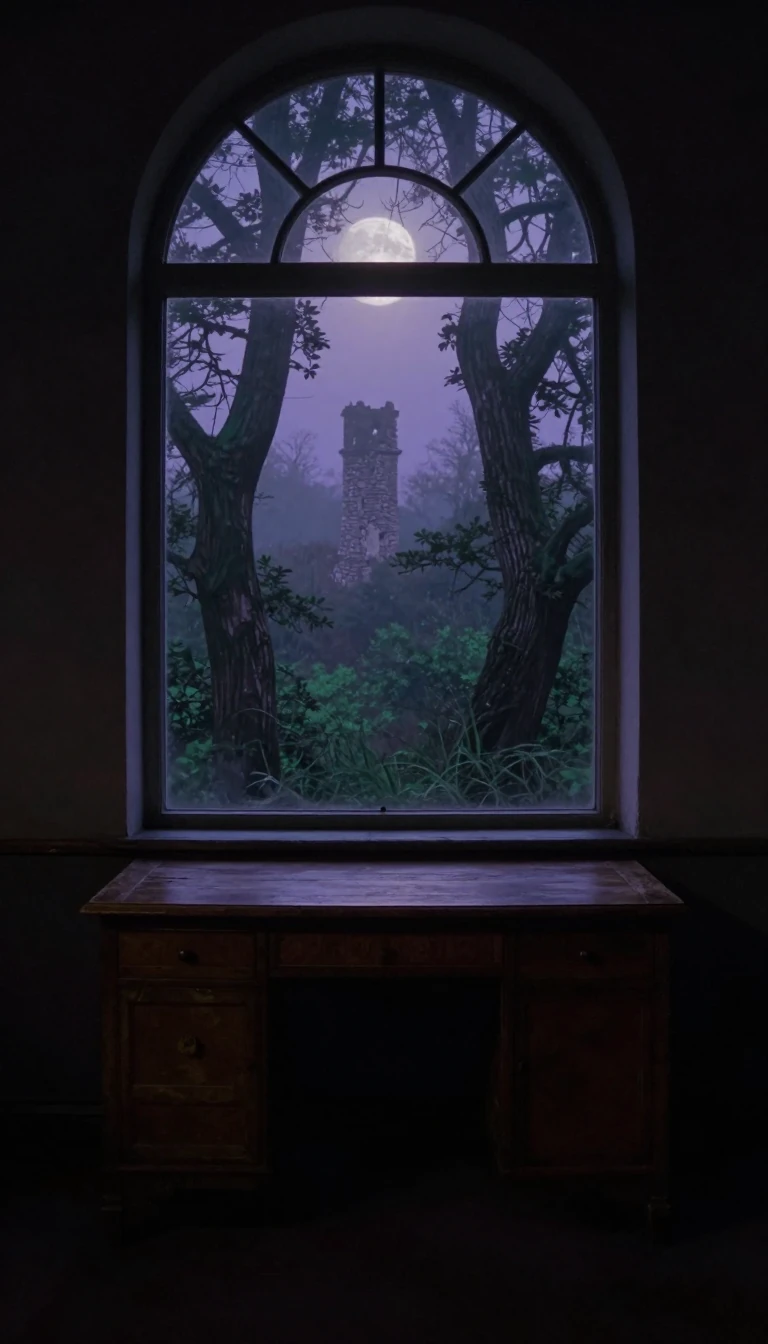
In short: Modern fantasy is not just a collection of old fairy tales. It is a distinct, commercially viable genre defined by the intentional creation of fictitious worlds. Unlike traditional folklore, which often lacks precise geography or history, modern fantasy authors meticulously construct the rules and settings of their imaginary realms.
The transition from traditional fantastic tales to the modern genre was a slow evolution. Historically, myths and legends were often treated as reality or as symbolic interpretations of complex truths. In contrast, modern fantasy is explicitly fictitious. Authors like George MacDonald, active in the 19th century, are credited with creating the first explicitly fantastic works for adults, such as his 1858 novel Phantastes. This shift required a move away from the 'long ago and far away' vagueness of folklore toward defined, self-consistent worlds.
A pivotal development occurred with William Morris in the late 19th century. While earlier writers often placed characters in dream worlds or foreign lands, Morris was the first to set his stories in entirely invented fantasy worlds. This trend toward substantive, coherent world-building gained momentum as the 20th century approached. Authors like Lord Dunsany further refined this by separating pure fantasy from supernatural horror, establishing a foundation that would eventually support the epic scale of J. R. R. Tolkien’s work.
The genre’s maturation was also influenced by the decline of religious constraints on literature. Historian Michael Saler notes that in the 1880s and 1890s, the rise of a secular society allowed writers to blend aesthetic literature with the techniques of literary realism. By the time Tolkien published The Lord of the Rings in the 20th century, the genre had become commercially distinct. Today, fantasy is a broad category, encompassing everything from high fantasy to dark fantasy, yet it remains anchored in the author’s individual interpretation and the deliberate construction of a secondary reality.
Opens the Intellect+ feed with this card first. Swipe up for the next one.
Sources
- Summary by Intellect · source: History of fantasy
To cite this card, link to https://intellectplus.co.uk/app/history-history-of-fantasy.
How we source, check and correct cards: Editorial standards.
General information, not professional advice. Spotted an error? Flag the card or see corrections and complaints.
Intellect Plus is a visual educational discovery platform for exploring fascinating facts and ideas. Brain Food, Not Brain Rot. What is Intellect Plus?
Related
More in History by topic · More in History · Latest · A–Z · All topics
