The Kingdom of Galicia: A Germanic Foundation That Shaped the Iberian Peninsula
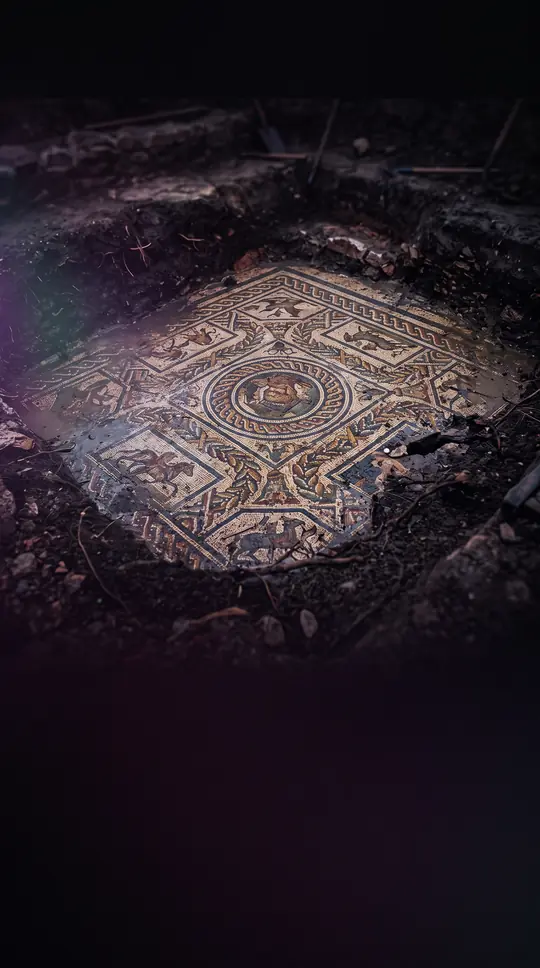
In short: Long before modern borders, the Kingdom of Galicia emerged from the collapse of Roman authority. Established by the Suebi in the 5th century, this resilient political entity navigated centuries of dynastic shifts, religious conversion, and resistance to central control, leaving a lasting mark on the cultural landscape of northwestern Iberia.
The origins of Galicia as a kingdom trace back to the 5th century, when the Suebi, a Germanic people, settled in the former Roman province of Gallaecia. Their leader, Hermeric, secured a pact with the Roman Emperor Honorius, establishing a capital at Bracara Augusta—modern-day Braga. This state, initially known as the Regnum Suevorum, maintained relative stability for nearly two centuries, even as its people gradually integrated with the local Gallaeci population. By the 6th century, the kingdom had become a significant regional power, with kings like Miro navigating complex religious and political tensions, including the conversion from Arianism to Nicene Christianity.
Following the Visigothic conquest in 585, Galicia was incorporated into the broader Visigothic realm, yet it retained a distinct identity. The administrative and ecclesiastical structures established by the Suebi persisted, allowing the region to maintain a level of continuity despite the arrival of new monarchs. This resilience was tested during the 8th-century collapse of Visigothic rule, but Galicia emerged as a core component of the expanding Christian states in the north. By the 10th century, following the death of Alfonso III in 910, Galicia briefly re-emerged as a distinct kingdom under Ordoño II, though it remained inextricably linked to the Leonese and Asturian realms.
The medieval period saw Galicia evolve into a complex society defined by its powerful bishoprics and the burgeoning pilgrimage route to Santiago de Compostela. While the region was eventually brought under the firm control of the Crown of Castile in the 13th century, it frequently resisted central authority, supporting alternative claimants to the throne. The kingdom’s representative assembly, the Junta, continued to function until its dissolution in 1834. Throughout these centuries, Galicia served as a unique intersection of Germanic legal traditions, Roman administrative legacies, and the evolving religious identity of the Iberian Peninsula.
Opens the Intellect+ feed with this card first. Swipe up for the next one.
Sources
- Summary by Intellect · source: Kingdom of Galicia
To cite this card, link to https://intellectplus.co.uk/app/history-kingdom-of-galicia.
How we source, check and correct cards: Editorial standards.
General information, not professional advice. Spotted an error? Flag the card or see corrections and complaints.
Intellect Plus is a visual educational discovery platform for exploring fascinating facts and ideas. Brain Food, Not Brain Rot. What is Intellect Plus?
Related
More in Empires & civilisations · More in History · Latest · A–Z · All topics
