From a war camp to a global powerhouse, the complex origins of Lagos
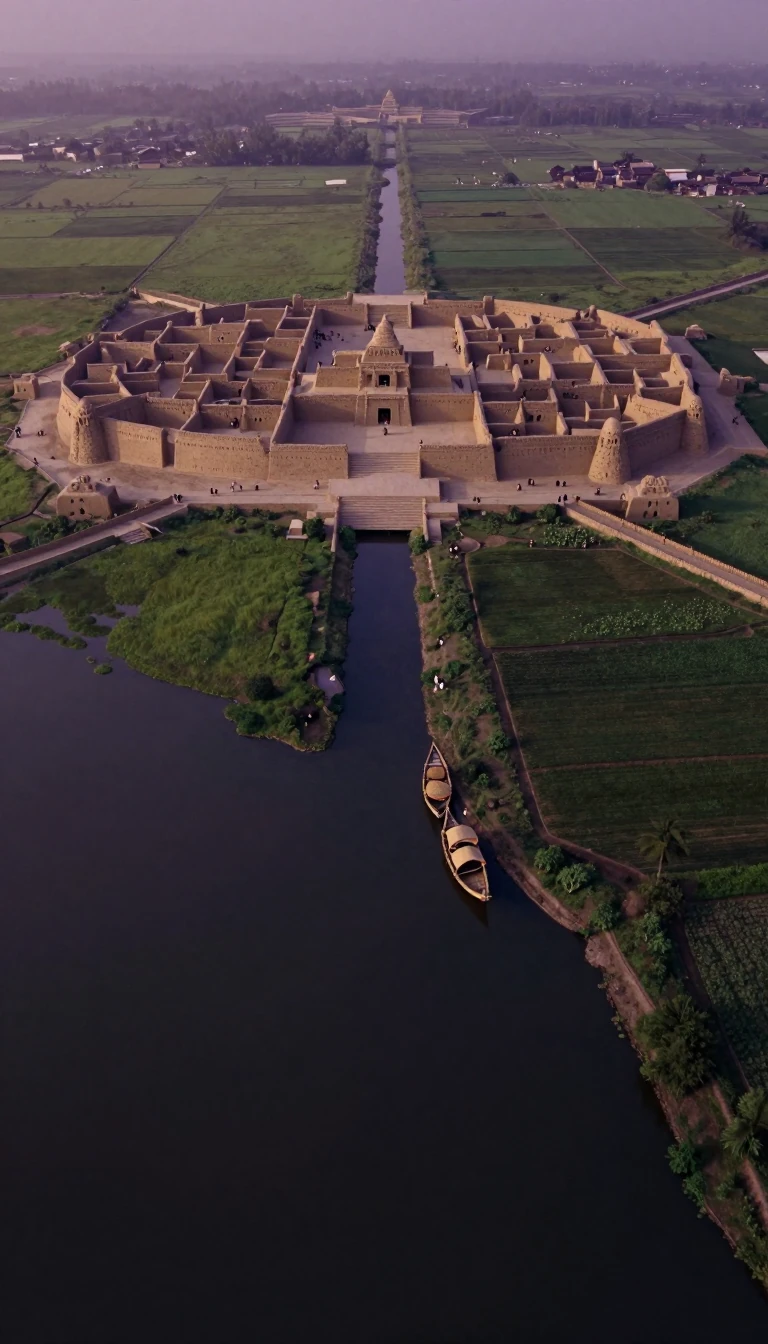
In short: Lagos was once a modest fishing settlement known as Oko, later transformed into a fortified military post by the Benin Kingdom. Today, it stands as Africa's largest city, a cosmopolitan melting pot shaped by centuries of trade, colonial intervention, and the unique influence of returnee ex-slaves from the Americas.
The origins of Lagos are rooted in the Awori people, a Yoruba subgroup who settled the area by the 15th century. Originally called Oko, the island was later renamed Eko—meaning 'war camp' in the Edo language—under the administration of the Benin Kingdom. This transition was marked by power struggles and shifting alliances. By the 16th century, Benin sought to control coastal access, leading to conflicts with local Awori leaders. A pivotal figure, the chief Ashipa, secured his position by aligning with the Benin Oba, establishing a royal dynasty that would govern the island for generations.
By the 18th century, Lagos had evolved into a major Atlantic slave trade hub, with local rulers fostering deep diplomatic and economic ties to Brazil. This era of prosperity and instability saw internal succession disputes, such as the 'Salt Water War' of 1845, which weakened the local monarchy. Britain, driven by its anti-slavery efforts and the need for a strategic naval base, intervened in 1851. The subsequent bombardment and installation of Oba Akitoye led to the 1861 Treaty of Cession, formally establishing Lagos as a British protectorate and eventually a colony.
The colonial period brought rapid modernization, including the introduction of electricity in 1898, the construction of the Carter Bridge in 1901, and the expansion of the Lagos Government Railway. The city became a destination for diverse migrants, including Saro and Aguda returnees whose architectural influence remains visible today. Despite the trauma of the 1924 bubonic plague and the political tensions that fueled the 1945 general strike, Lagos maintained its central role. Following Nigeria's independence in 1960, the city continued its trajectory of rapid growth, cementing its status as a vital economic engine for the continent.
Opens the Intellect+ feed with this card first. Swipe up for the next one.
Sources
- Summary by Intellect · source: History of Lagos
To cite this card, link to https://intellectplus.co.uk/app/history-history-of-lagos.
How we source, check and correct cards: Editorial standards.
General information, not professional advice. Spotted an error? Flag the card or see corrections and complaints.
Intellect Plus is a visual educational discovery platform for exploring fascinating facts and ideas. Brain Food, Not Brain Rot. What is Intellect Plus?
Related
More in History by country, small region and city · More in History · Latest · A–Z · All topics
