How a forest-dwelling people survived the Mongol deluge to forge a modern nation
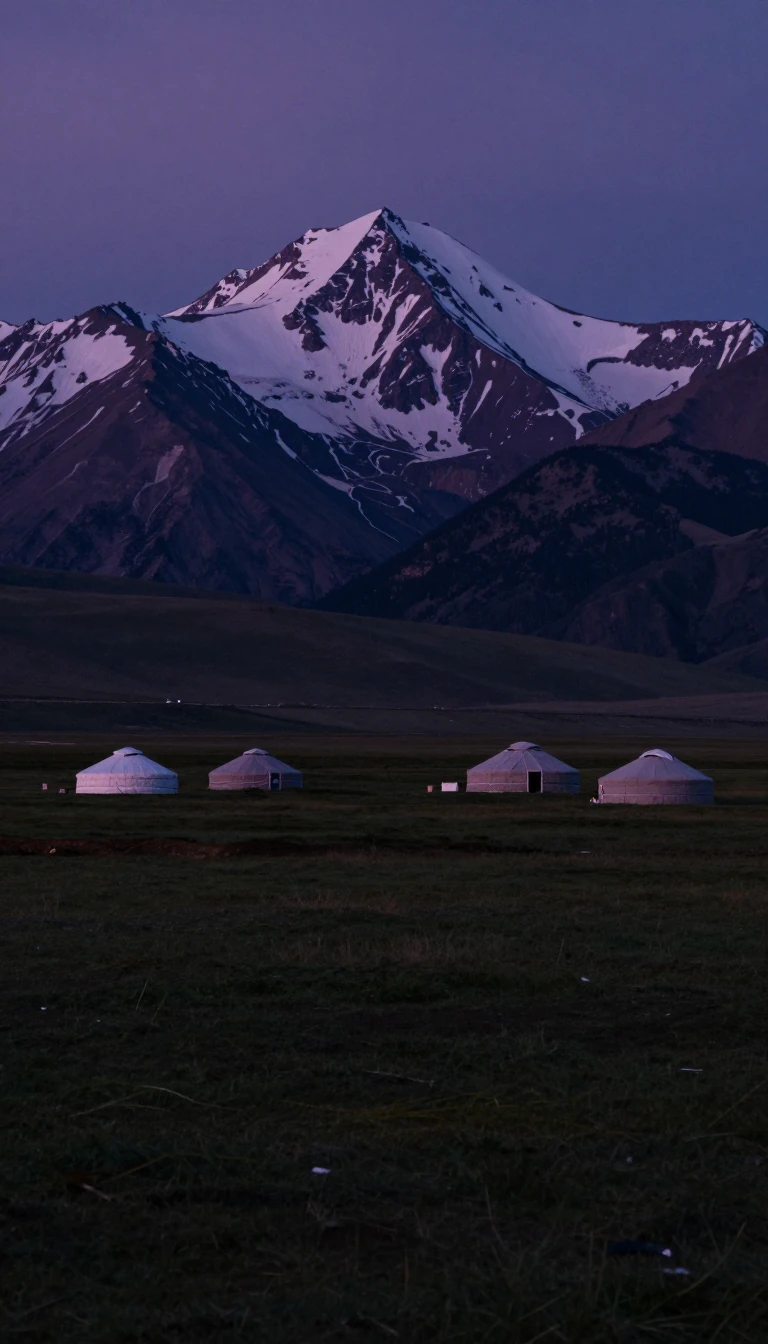
In short: Tracing their origins to the Siberian Yenisey River valley, the Kyrgyz people spent centuries as secluded mountain nomads. By avoiding the mainstream of Inner Asian history, they escaped the total destruction of the Mongol conquests, eventually navigating imperial shifts and Soviet rule to emerge as an independent state in 1991.
Early accounts from Chinese and Muslim sources between the 7th and 12th centuries describe the Kyrgyz as a forest-dwelling people with fair complexions, red hair, and green or blue eyes. Originally based in the upper Yenisey River valley of central Siberia, they practiced shamanism and utilized skis. By the mid-9th century, the Kyrgyz had become a Turkic-speaking force capable of overthrowing the Uighur empire in Mongolia. However, they chose not to settle in the conquered lands, maintaining their nomadic, secluded lifestyle at the edge of what Persian geographers called the Uninhabited Lands of the North.
This isolation proved to be a strategic advantage. When the Mongol deluge swept across Inner Asia in the 13th century, the Kyrgyz remained largely outside the political mainstream. In 1207, they surrendered to Jöchi, the son of Genghis Khan, a move that spared them from total annihilation. While they remained under various regimes—including the Golden Horde and later the Dzungars—they eventually migrated toward the Tien Shan range. By the 18th century, they were nominally part of the Qing empire, and by the 19th century, they faced conquest by the khan of Kokand, who established the future capital, Bishkek.
The modern era brought new pressures, particularly from Russian colonization. As Russian peasants moved into the region, they appropriated vital winter pasturelands, forcing the Kyrgyz into the mountains and sparking a major revolt in 1916. Under Soviet rule, the Kyrgyz struggled to assert a distinct national identity, often confused with other groups due to shifting administrative labels. Following the collapse of the Soviet Union, Kyrgyzstan declared independence on August 31, 1991. The subsequent decades have been marked by the development of democratic institutions, the challenges of economic transition, and significant political upheavals, such as the 2005 Tulip Revolution, reflecting the nation's ongoing effort to define its own path after centuries of foreign subjection.
Opens the Intellect+ feed with this card first. Swipe up for the next one.
Sources
- Summary by Intellect · source: Kyrgyzstan - Soviet Union, Central Asia, Nomadic | Britannica
- Also: History of Kyrgyzstan
To cite this card, link to https://intellectplus.co.uk/app/history-history-of-kyrgyzstan.
How we source, check and correct cards: Editorial standards.
General information, not professional advice. Spotted an error? Flag the card or see corrections and complaints.
Intellect Plus is a visual educational discovery platform for exploring fascinating facts and ideas. Brain Food, Not Brain Rot. What is Intellect Plus?
Related
More in History by country, small region and city · More in History · Latest · A–Z · All topics
