How a land of jagged peaks and swampy plains became a modern nation
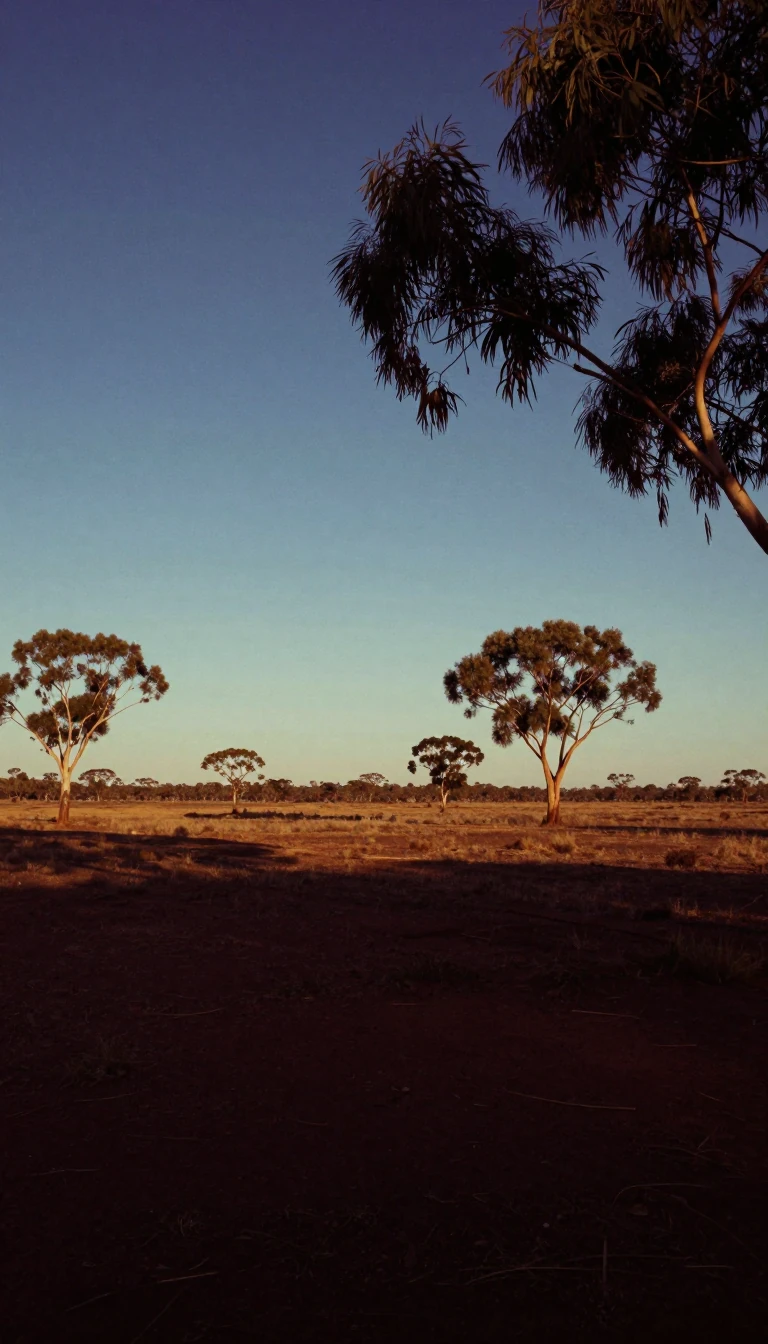
In short: Papua New Guinea is a geological puzzle of volcanic arcs and impenetrable rainforests. Settled 40,000 years ago by diverse Melanesian groups, this island nation remains a study in contrasts. Today, it balances its ancient, isolated local traditions with the complex demands of governing a viable, unified state in the modern era.
The landscape of Papua New Guinea is defined by its recent and violent geological history. The collision between the northward-moving Australian Plate and the westward-moving Pacific Plate created a rugged terrain of limestone karst, jagged ridges, and towering mountains. In the Bismarck Range, Mount Wilhelm reaches 14,793 feet, while the Highlands feature fertile, volcanic-ash-rich basins that have supported human activity for millennia. In contrast, the southern plains are geologically stable, remnants of the Australian Plate that were only separated from the mainland by the flooding of the Torres Strait about 8,000 years ago.
Human settlement of these islands spans 40,000 years, characterized by a mixture of peoples known as Melanesians. These early societies developed in relative isolation, leading to a cultural landscape of hundreds of distinct, once-isolated local groups. This diversity remains a defining feature of the nation. The environment, while harsh, provided the resources for early inhabitants to navigate and adapt to varied ecosystems, from the swampy northern coasts to the high-altitude basins where impeded drainage and volcanic deposits created pockets of exceptional fertility.
Modern Papua New Guinea emerged from this deep history into a complex political reality. Since gaining independence in 1975, the nation has faced the significant challenge of integrating these hundreds of diverse, historically isolated societies into a single, functional state. Today, the country operates as a constitutional monarchy under the British Crown, with a population projected to reach over 15 million by 2026. Despite the rapid growth of commercial enterprise and urban centers, the vast majority of the population remains rural, living in a land where steep slopes and heavy rainfall create some of the highest soil-erosion rates on the planet.
Opens the Intellect+ feed with this card first. Swipe up for the next one.
Sources
- Summary by Intellect · source: Papua New Guinea | Culture, History, Pronunciation & People | Britannica
- Also: History of Papua New Guinea
To cite this card, link to https://intellectplus.co.uk/app/history-history-of-papua-new-guinea.
How we source, check and correct cards: Editorial standards.
General information, not professional advice. Spotted an error? Flag the card or see corrections and complaints.
Intellect Plus is a visual educational discovery platform for exploring fascinating facts and ideas. Brain Food, Not Brain Rot. What is Intellect Plus?
Related
More in History by country, small region and city · More in History · Latest · A–Z · All topics
