Hidden in the clouds of New Guinea lies one of the world's oldest agricultural cradles.
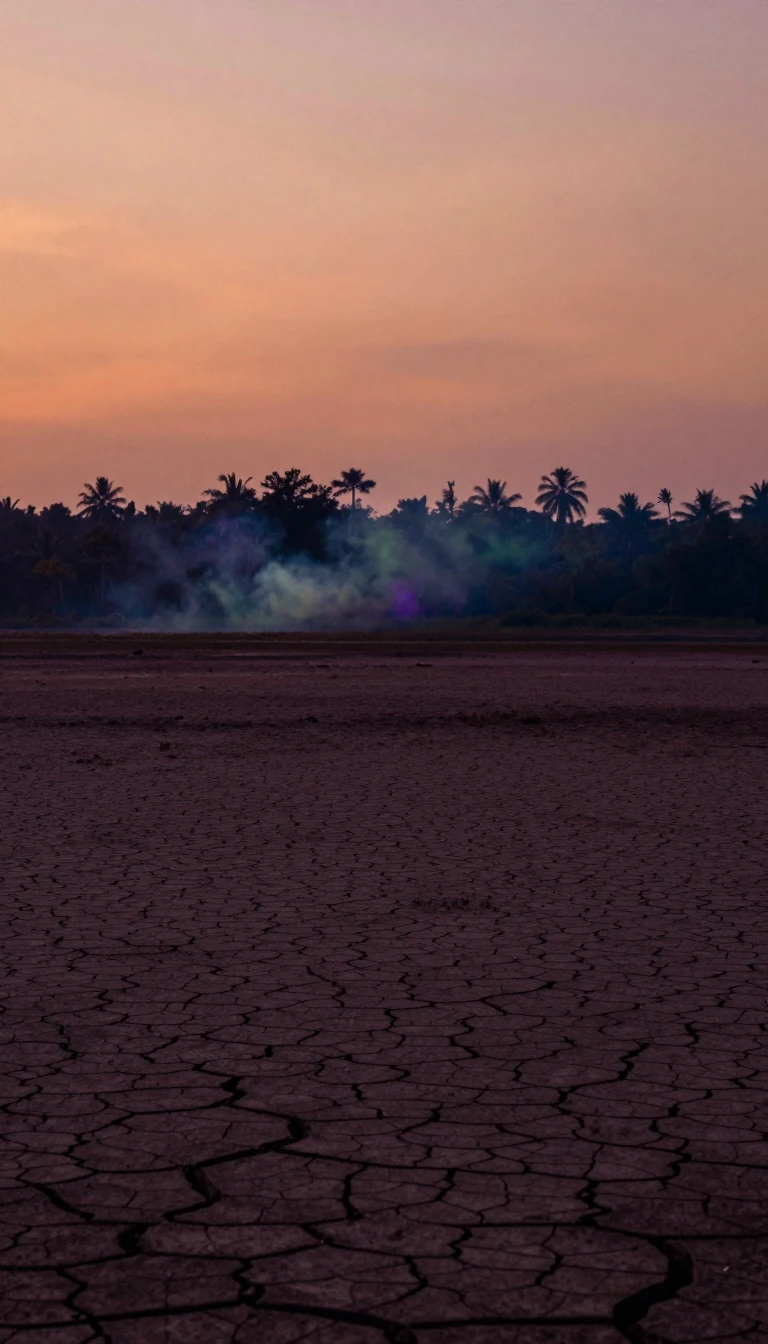
In short: Rising over 14,000 feet, the New Guinea Highlands are far more than a rugged mountain range. Beneath the mist and volcanic peaks, this densely populated region holds evidence of organized farming dating back 7,000 years, revealing a sophisticated history of human ingenuity in a challenging, high-altitude tropical environment.
The Highlands form a massive, central mountainous spine across the island of New Guinea. Reaching a peak of 14,793 feet at Mount Wilhelm, the region is defined by enclosed upland basins. These fertile pockets, often situated above 4,500 feet, were created by a combination of volcanic ash, lake deposits, and soil wash. While the lowlands are sweltering, the Highlands offer a cooler climate where nighttime frosts are a regular occurrence above 7,000 feet.
This environment has supported human activity for millennia. The Kuk Early Agricultural Site, now recognized as a UNESCO World Heritage site, provides archaeological proof that organized farming practices were established in the Western Highlands at least 7,000 years ago. This long-standing agricultural tradition remains the backbone of the region, which is the most densely populated part of the island today.
Social and cultural life in the Highlands has historically been distinct, often characterized by a strict separation between men and women. Traditional artistic expression leans away from permanent monuments, favoring instead intricate body decoration and head adornments crafted from the feathers of birds of paradise. Other notable cultural markers include masks fashioned from gourds, such as the famous clay-covered masks worn by the Asaro River mudmen.
While modern influences have modified some traditional social structures, the region remains a place of intense ecological and cultural interest. Rainfall is significant, frequently totaling between 100 and 160 inches annually, though the area experiences a distinct dry phase midyear. This combination of high rainfall, fertile volcanic soil, and ancient agricultural roots continues to shape the lives of the diverse peoples inhabiting these central mountains.
Opens the Intellect+ feed with this card first. Swipe up for the next one.
Sources
- Summary by Intellect · source: The Highlands | region, New Guinea | Britannica
- Also: New Guinea Highlands
To cite this card, link to https://intellectplus.co.uk/app/places-new-guinea-highlands.
How we source, check and correct cards: Editorial standards.
General information, not professional advice. Spotted an error? Flag the card or see corrections and complaints.
Intellect Plus is a visual educational discovery platform for exploring fascinating facts and ideas. Brain Food, Not Brain Rot. What is Intellect Plus?
Related
More in Land relief · More in Countries & Cities · Latest · A–Z · All topics
