How a marshy river crossing evolved into the world's most iconic City of Light.
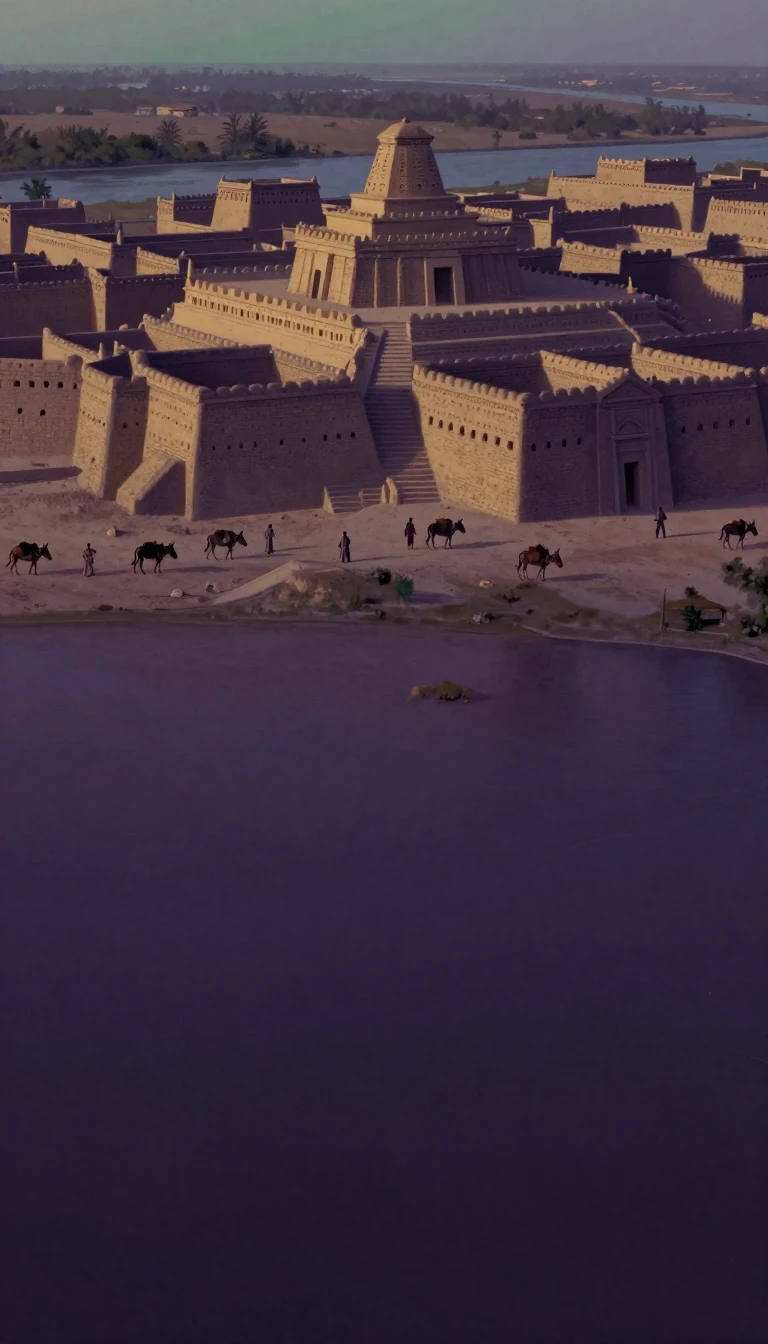
In short: Long before it was the global capital of fashion and culture, Paris was a strategic river settlement for the Parisii tribe. From its humble origins as a swampy trade hub to its role as the beating heart of a centralized empire, Paris has spent millennia reinventing itself through fire and intellect.
Human presence in the Paris region dates back to approximately 8000 BC, with early hunter-gatherer settlements established long before the city took its modern form. By the 3rd century BC, the Parisii tribe settled along the Seine, leveraging the river's strategic position as a trade route between Britain and the Mediterranean. This location allowed the settlement to prosper, eventually enabling the tribe to mint its own gold coins and construct bridges that would define the city's future geography.
The Roman conquest in 52 BC transformed the site into the garrison town of Lutetia, but the city's true political ascent began under the Frankish king Clovis I, who established it as his capital by 508 AD. Under the Capetian dynasty, specifically during the reign of Hugh Capet from 987 to 996, Paris solidified its status as the cultural and political center of a highly centralized French state. This centralization drew talent and resources from the provinces, fueling the city's growth into a global intellectual powerhouse.
Paris has frequently served as a stage for intense social and political volatility, with notable upheavals occurring in 1358, 1789, 1830, 1848, and 1871. Despite this history of violence, the city maintained its importance as a center for Enlightenment thought, earning the sobriquet 'the City of Light.' Today, the city is organized into 20 arrondissements that spiral outward like a snail shell, a structure that reflects centuries of expansion and adaptation to the challenges of modern urbanization.
The city's physical character is defined by the Seine, which splits the city into the intellectual Left Bank and the economic Right Bank. While these distinctions have blurred over time, the river remains central to the city's identity, bordered by stone quays and tree-lined paths. From its Neolithic roots to its status as a modern metropolitan agglomeration, Paris continues to balance its ancient, circular geography with the demands of a rapidly evolving global society.
Opens the Intellect+ feed with this card first. Swipe up for the next one.
Sources
- Summary by Intellect · source: Paris | Definition, Map, Population, Facts, & History | Britannica
- Also: History of Paris
To cite this card, link to https://intellectplus.co.uk/app/history-history-of-paris.
How we source, check and correct cards: Editorial standards.
General information, not professional advice. Spotted an error? Flag the card or see corrections and complaints.
Intellect Plus is a visual educational discovery platform for exploring fascinating facts and ideas. Brain Food, Not Brain Rot. What is Intellect Plus?
Related
More in History by country, small region and city · More in History · Latest · A–Z · All topics
