How a small pearl-diving outpost transformed into a global diplomatic power broker
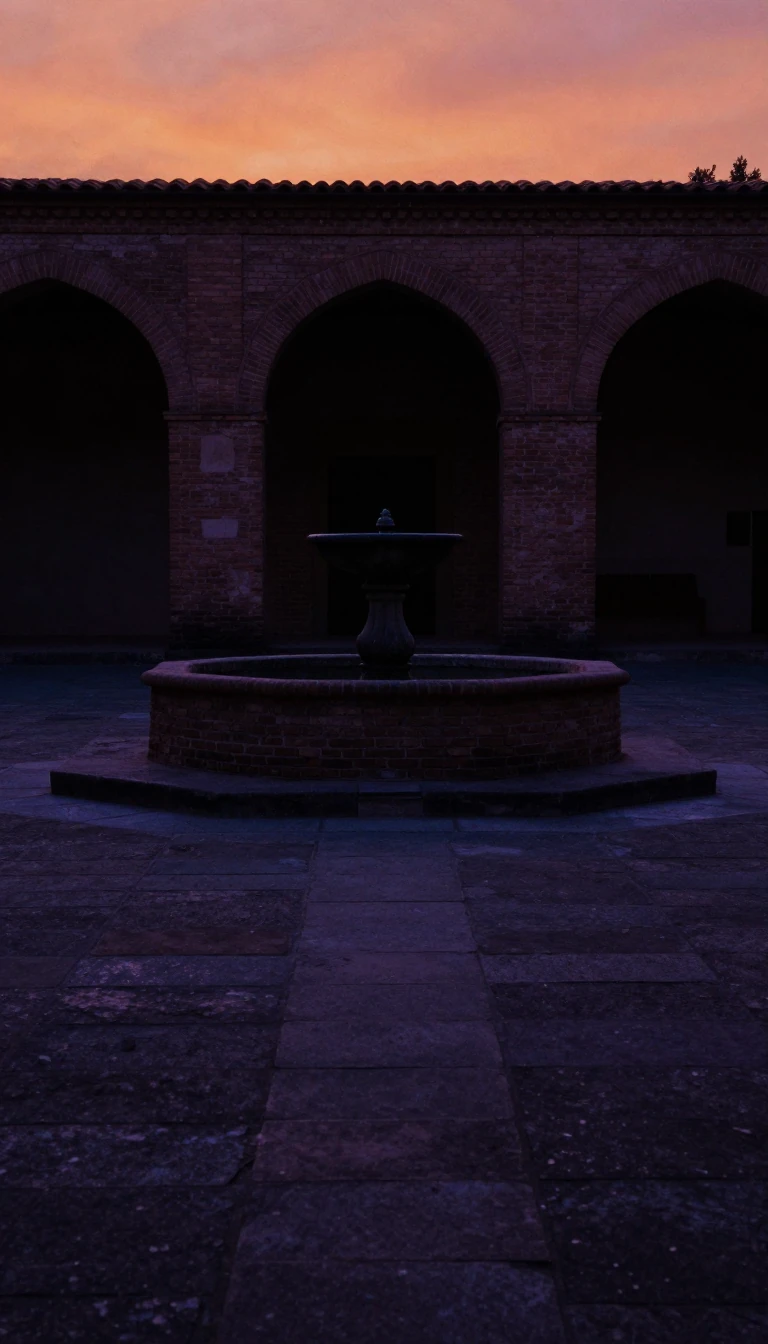
In short: Qatar’s modern trajectory is a study in rapid metamorphosis. From a 1766 settlement of pearl divers to a 21st-century absolute monarchy, the nation leveraged massive oil and gas wealth to pivot from regional obscurity to a central role in international mediation, hosting both foreign military bases and independent media.
The modern history of Qatar is conventionally traced to 1766, when families from Kuwait, including the Al Thani dynasty, settled on the peninsula. Initially a modest center for trade and pearl diving, the area became a site of shifting power dynamics. By 1868, following a destructive conflict in Doha, Britain signed a treaty with Mohammed ibn Thani, signaling the rise of the Thani family and the peninsula's future independence. This era was marked by complex regional maneuvering, including a brief period of Ottoman occupation beginning in 1871 and a formal British protectorate established in 1916.
The discovery of oil in 1939, followed by commercial recovery in 1949, fundamentally altered the nation's economic landscape. Yet, this newfound wealth also triggered internal instability. Disputes over revenue distribution fueled palace coups in 1972 and 1995, the latter bringing Sheikh Hamad to power. Despite these domestic tensions, Qatar successfully navigated its path to independence on September 3, 1971, following Britain's announcement of its withdrawal from the Gulf. The nation quickly joined the Arab League and the United Nations, signaling its intent to engage with the global community.
In the 21st century, Qatar utilized its natural gas reserves to fund a strategy of international prominence. This included investing in cultural institutions, hosting foreign university campuses, and launching Al Jazeera, a satellite network that projected Qatari influence while maintaining a reputation for critical news coverage. Simultaneously, Qatar adopted a unique foreign policy, balancing ties with regional rivals like Iran and Saudi Arabia while serving as a mediator in Middle Eastern disputes, such as the 2008 Lebanese standoff. By hosting U.S. military operations and maintaining absolute monarchical rule, Qatar has carved out a distinct, often paradoxical, position on the world stage.
Opens the Intellect+ feed with this card first. Swipe up for the next one.
Sources
- Summary by Intellect · source: History of Qatar | People, Flag, Culture, & Facts | Britannica
- Also: History of Qatar
To cite this card, link to https://intellectplus.co.uk/app/history-history-of-qatar.
How we source, check and correct cards: Editorial standards.
General information, not professional advice. Spotted an error? Flag the card or see corrections and complaints.
Intellect Plus is a visual educational discovery platform for exploring fascinating facts and ideas. Brain Food, Not Brain Rot. What is Intellect Plus?
Related
More in History by country, small region and city · More in History · Latest · A–Z · All topics
